
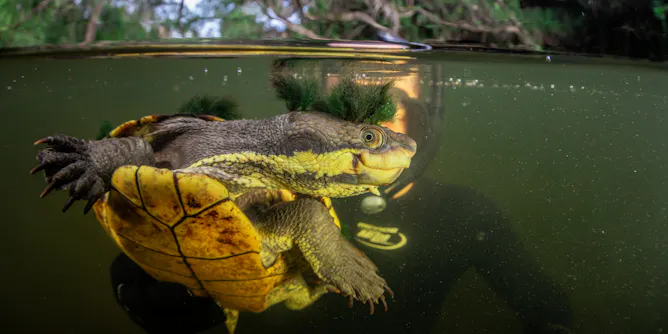
Not all conservation threats come from overseas. Some are our own native animals.
Articles on DNA
Displaying 1 - 20 of 523 articles

Small challenges can activate cells’ protective systems. Scientists are exploring whether food compounds and medicines can make use of this effect.
Four experts explain what genetic health is and why it matters for our most vulnerable wildlife.

Today, cloning is not a technology that can simply “copy and paste” living things. But it’s brought advances in several fields of science.

Long overlooked because of their size, giant viruses are now redefining the frontiers of microbiology.

A vaccine designed entirely by AI has been tested in people for the first time.
Epigenetic aging clocks allow scientists to study how populations age. They aren’t intended for individuals to make health decisions.
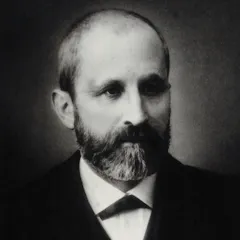
Working on human pus in a medieval castle, Miescher discovered a substance that would eventually unlock our understanding of how life works.
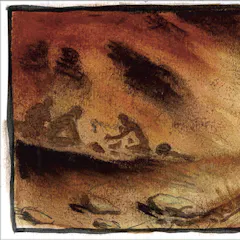
A recent article published and widely read in Science revealed that Neanderthal men preferred “Sapiens” women, but it fails to tell the whole story.

Based on international collaborations lasting decades, two new studies have unlocked previously unavailable information from the bones of dogs long dead.
Claims that genes determine intelligence, health and social outcomes are reappearing. But modern science shows environment and opportunity matter far more than genes.

One dog, one vaccine, one data point. The story of Rosie is fascinating – but it is not yet evidence that AI can beat cancer.
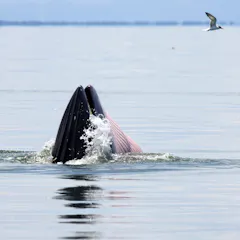
Biological matter left behind in the water allows us to follow these animals without ever setting eyes on them.

Joint research conducted by INRS and the Abitibiwinni First Nation shows how traces of DNA in the snow make it possible to track wildlife without disturbing it.

A new study isolated DNA from the tumours of 500 cats across 13 different tumour types and mapped the sequence of 1,000 genes often found mutated in human cancers.
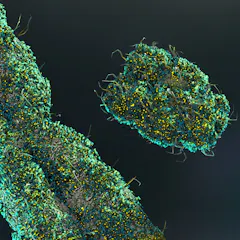
The Y chromosome doesn’t seem to do much except determine sex – but its loss in older men might be linked to heart disease, cancer and Alzheimer’s.

Researchers are embarking on the RNA equivalent of the Human Genome Project, including sequencing all the chemical modifications that make cells unique.
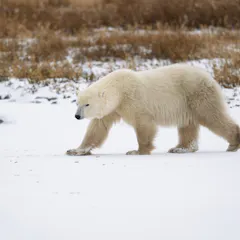
Polar bears are expected to become extinct but there are some signs their DNA is changing and they are adapting to new temperatures.
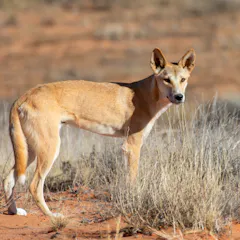
Just like everyone and everything else that was already in Australia when the First Fleet arrived in 1788, dingoes had to adapt to their new reality.
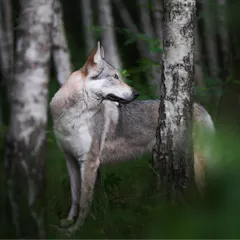
Today’s wolves and dogs share a common ancestor. But a deeper look at their genes reveals that interbreeding since dogs were domesticated 20,000 years ago hasn’t been as rare as scientists assumed.
Top contributors
-

Chair, The Conversation Media Group
-
Distinguished Professor, Charles Sturt University
-
Jenny Graves is a Friend of The Conversation.
Distinguished Professor of Genetics and Vice Chancellor's Fellow, La Trobe University
-
Lecturer, Business School & Centre for Policy Futures, The University of Queensland
-
Research fellow, The University of Queensland
-
Author and Honorary Fellow, Centre for History and Philosophy of Science, University of Leeds
-
Professor in Molecular Archaeology, Department of Archaeology and Classical Studies, Stockholm University
-
Professor of Microbiology, School of Medicine, University of Washington
-
Head, Molecular Medicine Laboratory, WEHI (Walter and Eliza Hall Institute of Medical Research)
-
Deputy Director and ARC Future Fellow, Australian Centre for Ancient DNA, Adelaide University
-
Ethical, Legal & Social Adviser in Public Health Genomics, Monash University
-
Doctoral Student in Biochemistry, University of Washington
-
Senior Lecturer in Population, Medical and Evolutionary Genomics, Lund University
-
Professor of English, York University, Canada
-
Assistant Professor in Biomedical Ethics, National University of Singapore