
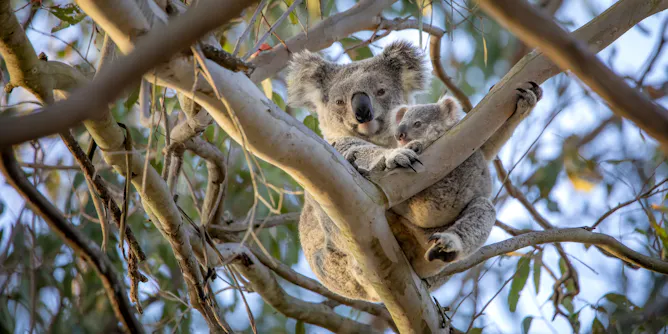
A new study rewrites our understanding of the iconic marsupial’s history in Australia.
Articles on Genome
Displaying 1 - 20 of 208 articles
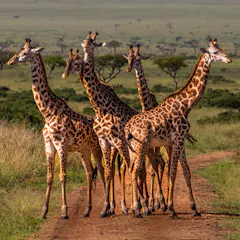
Even now, in an age of satellites and genome sequencing, the Earth still holds secrets.

Most genetic studies focus on people from European ancestry. But Africa has the richest diversity and must be included in genetic databases.
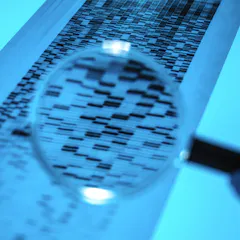
From the Black Death to the COVID-19 pandemic, combining the genetic data of a pathogen with historical records, archaeological artifacts and epidemiological studies can uncover its origins.

Researchers are embarking on the RNA equivalent of the Human Genome Project, including sequencing all the chemical modifications that make cells unique.
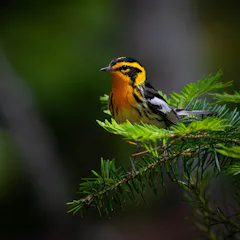
Interbreeding across species lines is one way helpful genes can spread into a bird population.

Your DNA contains millions of genetic variants that interact with each other in ways that affect whether diseases such as schizophrenia and heart disease develop, and with what severity.
Researchers discovered a previously unknown function of RNA, potentially opening the door to new ways to treat cancer and neurodegenerative diseases.

Human beings don’t have a thick coat of fur like many other mammals do. Scientists think it has to do with something else that comes out of skin: sweat.
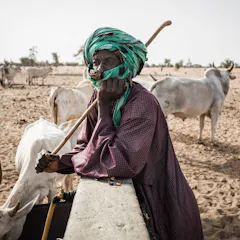
Genetic insights into the Fulani people not only illuminate their biological history but also enrich our understanding of their cultural and historical narratives.
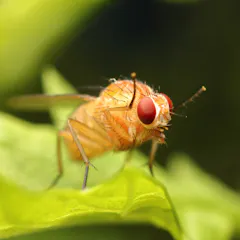
Fruit flies have contributed to some of the most important scientific discoveries over the last century. They should be celebrated – not sprayed.
We can already tinker with human DNA to treat diseases. But being able to edit RNA allows for even more precision – and fewer risks.
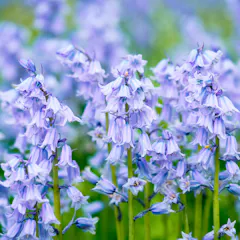
The size of DNA cells between the biggest and smallest genomes varies by as much as 10,000 times.
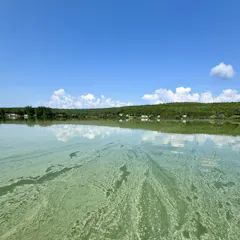
New techniques monitor the health of lakes in real time by analyzing their microbiome to anticipate and respond to environmental threats such as cyanobacteria.

Fusarium oxysporum can infect over 120 plant species. Whether it destroys Cavendish bananas as it did their predecessor depends on the agricultural industry and consumers.
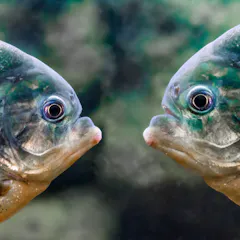
Appearances can be deceptive but genomes not so much – this has huge implications for measuring biodiversity.
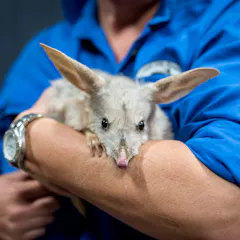
We’ve just published the largest ever marsupial genome – all 3.6 billion pieces of it. Together with Indigenous rangers, we’re applying two-way science to better protect bilbies.
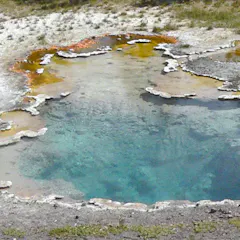
Computer analysis of the genomes of extremophiles — organisms that live in extreme environments — reveals that their living conditions are recorded in their DNA.

Many people know someone with a genetic disease, but few understand how gene mutations work.
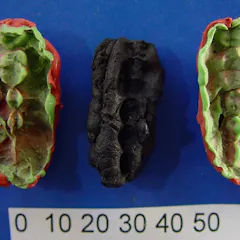
Genetic analysis reveals one of the teenagers probably had advanced gum disease.
Top contributors
-

Distinguished Research Professor, Emerita, Dalhousie University
-
Emeritus Robert Reford Professor and Professor of Medicine, McGill University
-
Professor, Chemistry and Biochemistry, Laurentian University
-
Vanier Scholar and Ph.D. Candidate in Microbiology and Immunology, Dalhousie University
-
Junior Fellow, MacEachen Institute for Public Policy and Governance; Medical Student, Dalhousie University
-
Distinguished Research Professor, Dalhousie University
-
Professor and Chair of Genomic Diversity, Queen Mary University of London
-
Associate Professor and Canada Research Chair, Department of Chemistry and Biochemistry, University of Lethbridge
-
Principal Scientist and Canada Research Chair in Zoonotic Virus and Animal Reservoirs at the Vaccine and Infectious Disease Organization and Co-Lead of One Health at the University of Saskatchewan, University of Saskatchewan
-
Professor in Medicine, Ethics and Society, University of Warwick
-
Masters Student, Biomolecular Interactions and Biophysical Modelling of RNA viruses, University of Lethbridge
-
Reader in Genetics, University of Aberdeen
-
Assistant Professor/Canada Research Chair in emerging viruses, University of Manitoba
-
Professor of Medicine and Vice President, Research, McMaster University
-
Doctoral Student in Biochemistry, University of Washington