

Genealogical and genetic ancestors aren’t the same thing. A DNA match − or a lack of one − may not tell you what you imagine it does about your family tree.
Articles on DNA
Displaying 61 - 80 of 523 articles
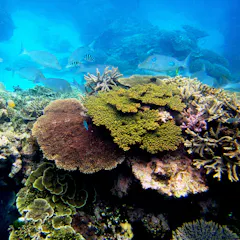
Just as the world’s zoos breed critically endangered animals in captivity to repopulate the wild, scientists are building a global effort to freeze corals for reef restoration.
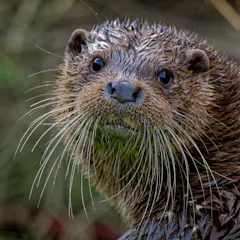
Research has revealed how British otters may have been able to recover from species loss in the 1950s with the help of otters from Asia.
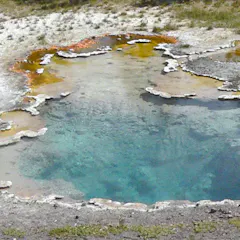
Computer analysis of the genomes of extremophiles — organisms that live in extreme environments — reveals that their living conditions are recorded in their DNA.
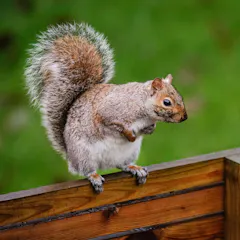
New research suggests the gut bacteria of red and grey squirrels differ significantly, potentially explaining the decline of the native red and the success of its grey counterpart.

Understanding how the ageing of sperm works in other animals is more important than ever as human male fertility is in decline.
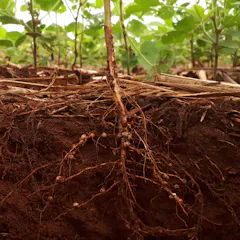
New technology could unlock the soil-enriching nitrogen-fixing ability of legumes…and one day apply this to other crops too.

Many people know someone with a genetic disease, but few understand how gene mutations work.
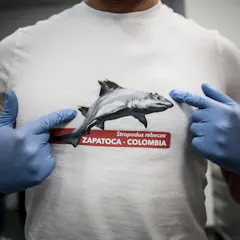
‘Jaws,’ published in 1974, terrified the public of sharks, but it also brought shark research into the scientific mainstream.
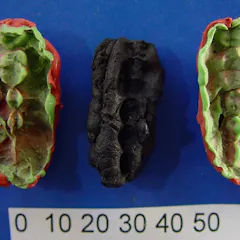
Genetic analysis reveals one of the teenagers probably had advanced gum disease.

We tend to just think of viruses in terms of their damaging impacts on human health and lives. But viruses can also be used to benefit human health, agriculture and the environment.
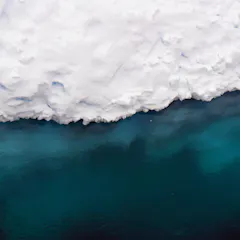
Did the enormous West Antarctic Ice Sheet collapse the last time global temperatures were 1.5°C above preindustrial levels? The answer lay in the DNA of an octopus.

New research has uncovered the hormone that triggers morning sickness, offering hope for millions of women.
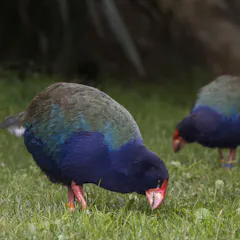
Examining the DNA of the takahē has upended long-held beliefs about how the flightless bird ended up on the southwestern tip of New Zealand. This new knowledge can help future conservation efforts.

In the academic world, researchers are rewarded for publishing frequently. Not only is this affecting research quality but it is also hindering female scientists.
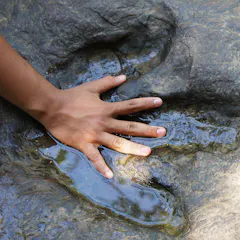
New laboratory experiments add analytical rigour to the search for ancient biomolecules
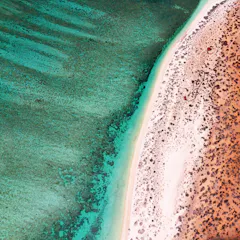
Every living thing leaves traces in its environment. By sampling water or even air for this environmental DNA, we can know which species live where.

Blood isn’t sterile, and analyzing the bacteria in it could help assess the health of fish and prevent the collapse of their populations.
Through a blend of perseverance, technology, and a touch of serendipity, it was possible to solve a decades-old mystery.
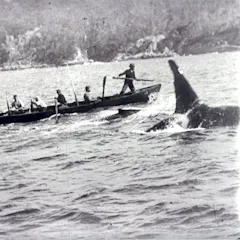
On New South Wales’ southern coast, First Nations groups and European whalers hunted alongside orcas. But what happened to this unusual group?
Top contributors
-

Chair, The Conversation Media Group
-
Distinguished Professor, Charles Sturt University
-
Jenny Graves is a Friend of The Conversation.
Distinguished Professor of Genetics and Vice Chancellor's Fellow, La Trobe University
-
Lecturer, Business School & Centre for Policy Futures, The University of Queensland
-
Research fellow, The University of Queensland
-
Author and Honorary Fellow, Centre for History and Philosophy of Science, University of Leeds
-
Professor in Molecular Archaeology, Department of Archaeology and Classical Studies, Stockholm University
-
Professor of Microbiology, School of Medicine, University of Washington
-
Head, Molecular Medicine Laboratory, WEHI (Walter and Eliza Hall Institute of Medical Research)
-
Deputy Director and ARC Future Fellow, Australian Centre for Ancient DNA, Adelaide University
-
Ethical, Legal & Social Adviser in Public Health Genomics, Monash University
-
Doctoral Student in Biochemistry, University of Washington
-
Senior Lecturer in Population, Medical and Evolutionary Genomics, Lund University
-
Professor of English, York University, Canada
-
Assistant Professor in Biomedical Ethics, National University of Singapore