

Ribose molecules came to Earth in meteorites and eventually became key parts of RNA. But how they survived in between has been a mystery.
Articles on RNA
Displaying 1 - 20 of 80 articles
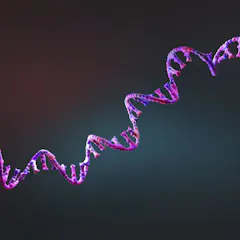
From COVID-19 vaccines to Moderna’s mRNA flu vaccine, using mRNA as medicine has shown promise. But before mRNA drugs can go beyond vaccines, researchers need to identify the right diseases to treat.
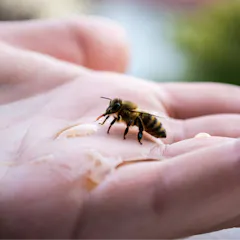
Current pesticides are already failing – but science points to a way forward.
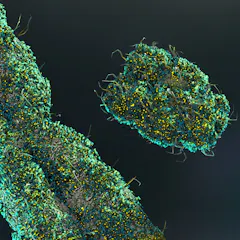
The Y chromosome doesn’t seem to do much except determine sex – but its loss in older men might be linked to heart disease, cancer and Alzheimer’s.

Researchers are embarking on the RNA equivalent of the Human Genome Project, including sequencing all the chemical modifications that make cells unique.
Researchers discovered a previously unknown function of RNA, potentially opening the door to new ways to treat cancer and neurodegenerative diseases.

Research teams across Canada are now building on homegrown innovation to expand the potential of RNA vaccines beyond infectious diseases.
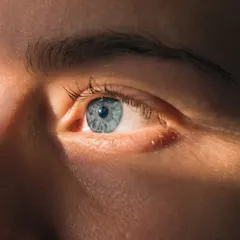
We can already tinker with human DNA to treat diseases. But being able to edit RNA allows for even more precision – and fewer risks.
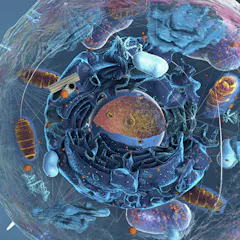
Membraneless organelles, also called biomolecular condensates, are changing how scientists think about protein chemistry, various diseases and even the origin of life.
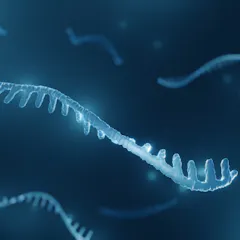
Victor Ambros received half of the Nobel Prize for his work on microRNAs. Here he talks about the teamwork – and the nematodes – that made the discovery possible.
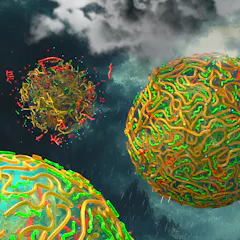
The earliest cells likely didn’t have membranes to separate and protect their components and chemistry away from a harsh surrounding environment. But they may have made do with rain.
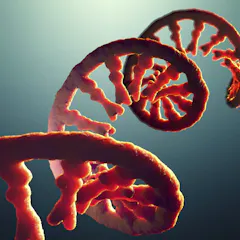
Victor Ambros and Gary Ruvkun won the 2024 Nobel Prize in physiology or medicine for their discovery of microRNAs, molecules that turn genes on and off – and cause disease when they go awry.
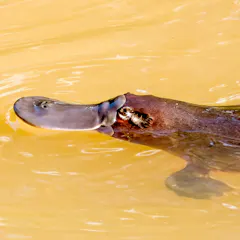
Females have twice as many copies of some genes as males do – and exactly how different species manage this imbalance has puzzled scientists for decades.

Clinical trials look promising, and if these drugs are approved, would change how we manage high blood pressure. But there’s much we don’t know about these injectables.

The origin of life on Earth is one of the biggest mysteries in science.

For centuries, colonial powers have used starvation as a tool to control Indigenous populations and take over their land and wealth. A look back at two historic examples on two different continents.
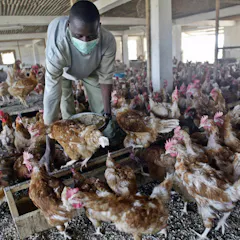
People should minimise contact with birds in areas affected by bird flu viruses, including farms and settings where live animals may be sold or slaughtered.

Your mouth and your gut is full of them. But we don’t know if they’re friend or foe.

We tend to just think of viruses in terms of their damaging impacts on human health and lives. But viruses can also be used to benefit human health, agriculture and the environment.
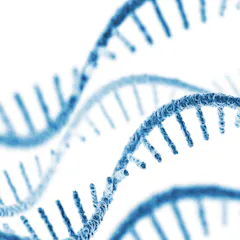
The COVID-19 pandemic demonstrated the promise of using mRNA as medicine. But before mRNA drugs can go beyond vaccines, researchers need to identify the right diseases to treat.
Top contributors
-
 Jenny Graves is a Friend of The Conversation.
Distinguished Professor of Genetics and Vice Chancellor's Fellow, La Trobe University
-
Associate Professor of Biological Sciences, Purdue University
-
Assistant Professor of Biomedical Sciences, UMass Chan Medical School
-
Associate professor, Australian National University
-
Associate Professor, School of Chemistry, UNSW
-
Professor and Director of the Australian Centre for Astrobiology, UNSW
-
Senior Lecturer in Molecular Biology, Western Sydney University
-
Natural Environment Research Council Independent Research Fellow, University of Sheffield
-
Professor of Neuroscience, Royal Veterinary College
-
Associate Professor, School of Biomedical Engineering, University of Technology Sydney
-
Lecturer in Evolution, La Trobe University
-
Genomics Specialist, Children's Cancer Institute
-
Graduate Student in Biomedical Science, Harvard University
-
Research scientist, University of Oxford
-
Research Associate in Microbiology, University of Guelph