

As bird flu takes hold, we must find and conserve species with less genetic ability to fight the virus.
Articles on Genomics
Displaying 1 - 20 of 220 articles

By identifying the genes and molecules crucial to resistance in American chestnuts and other species, researchers hope to use genomic techniques to breed trees that can flourish in the face of blight.

Biological samples and data from Aboriginal and Torres Strait Islander peoples have been misused in the past. So how would we make a new screening program safer?
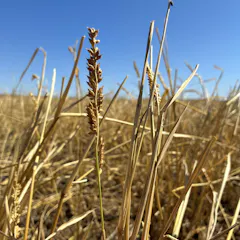
Natural selection may not be the only force that has contributed to the evolution of channel millet’s unusual genetics.

Genomics-based surveillance can help us identify the prevalence of mosquito-borne viruses across the country.
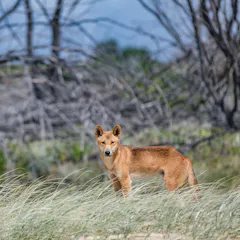
Ancient and modern dingo DNA reveals eight genetically distinct groups of dingoes – and the limited influence of domestic dog genes.
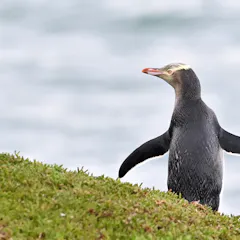
Researchers found the endangered yellow-eyed penguin is made up of three distinct subspecies, with the mainland lineage at greatest risk.

Most genetic studies focus on people from European ancestry. But Africa has the richest diversity and must be included in genetic databases.
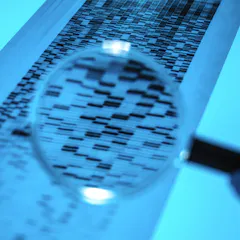
From the Black Death to the COVID-19 pandemic, combining the genetic data of a pathogen with historical records, archaeological artifacts and epidemiological studies can uncover its origins.
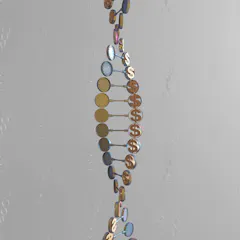
Epigenetic aging clocks allow scientists to study how populations age. They aren’t intended for individuals to make health decisions.

Advances in genetic engineering have enabled researchers to seek ways to program new life. But has synthetic biology actually changed medicine and the environment, nearly two decades on?
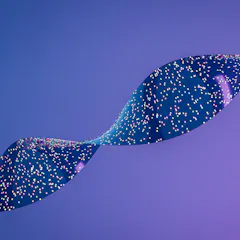
Combining AI with quantum computing could enable doctors and researchers to analyze the human body at an unprecedented molecular level, unlocking breakthroughs in personalized medicine. Yet significant quantum technology hurdles remain before this vision becomes reality.

Based on international collaborations lasting decades, two new studies have unlocked previously unavailable information from the bones of dogs long dead.

Coffee wilt disease has continually devastated farms around the world. Understanding the fungus’s genetics can help protect everyone’s cup of joe.

Researchers are embarking on the RNA equivalent of the Human Genome Project, including sequencing all the chemical modifications that make cells unique.

Studying ancient genes can tell us more about the evolution of humans’ anatomy, behaviour and thinking.
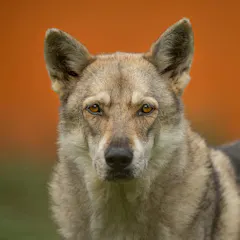
Two new studies suggest the story of dogs and their relationship with humans is older and more complex than once thought.

Your DNA contains millions of genetic variants that interact with each other in ways that affect whether diseases such as schizophrenia and heart disease develop, and with what severity.
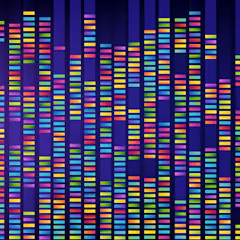
Pharmacogenomic testing can tell how a drug is likely to work in a certain person. But is it ready for rolling out to the wider population?
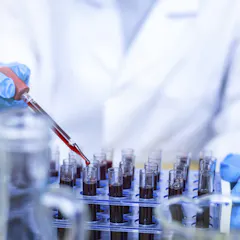
Functional genomics, which is seeing how genetic variants behave in biological systems through genetic testing, is offering new hope for African cancer patients.
Top contributors
-

Distinguished Research Professor, Emerita, Dalhousie University
-
Emeritus Robert Reford Professor and Professor of Medicine, McGill University
-
Lecturer, University of Cambridge; Anglia Ruskin University
-
Professor in Molecular Archaeology, Department of Archaeology and Classical Studies, Stockholm University
-
Executive Director, Melbourne Genomics Health Alliance
-
Group Leader, Genomics and Bioinformatics, Australian Centre for Ancient DNA, Adelaide University
-
Professor of English, York University, Canada
-
Professor, Chemistry and Biochemistry, Laurentian University
-
Vanier Scholar and Ph.D. Candidate in Microbiology and Immunology, Dalhousie University
-
Distinguished Research Professor, Dalhousie University
-
Assistant Professor/Canada Research Chair in emerging viruses, University of Manitoba
-
Honorary Fellow, Department of Pathology, The University of Melbourne
-
Associate Professor and Canada Research Chair, Department of Chemistry and Biochemistry, University of Lethbridge
-
Junior Fellow, MacEachen Institute for Public Policy and Governance; Medical Student, Dalhousie University
-
Associate Professor | Director, DNA Zoo Australia, The University of Western Australia