
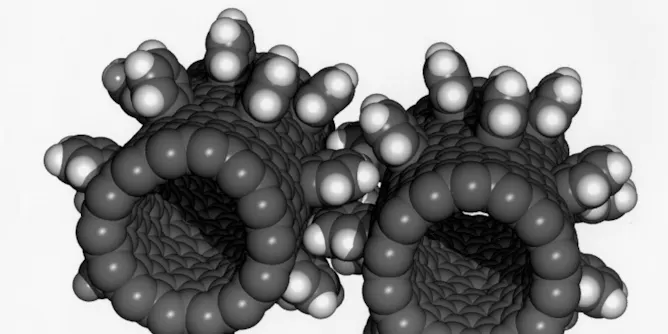
One of the great technological challenges of this century is to design novel items and then make them – and have the results match the intent.
Articles on DNA
Displaying 381 - 400 of 523 articles
Humans have a deep history of viral infections, the evidence for which dates back to ancient DNA from Egyptian mummies.
Big data is all well and good, but if we want medical breakthroughs, we’ll need big theory too.
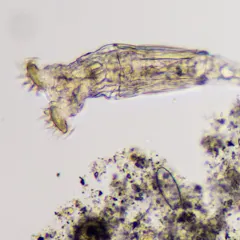
Rotifers are tiny creatures found in ponds or puddles and can reproduce without sex. The theory says they should not have survived so how have they done it?
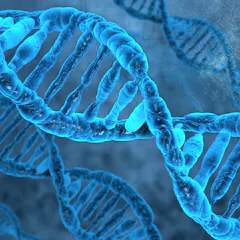
How has a retrovirus survived intact within the human genome for millennia, and how has it affected us?

The link between season of birth and the risk of having allergies is well known. A new study sheds light on why this link exists.

Antarctica’s blue whales all feed in the same place. But a new genetic analysis suggests they are actually three separate populations that breed in different parts of the globe.
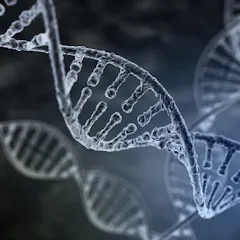
Scientists used to think that the 98% of human DNA that didn’t encode proteins was junk. They don’t think that anymore.
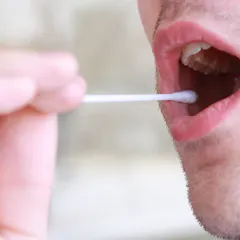
When you enter a Chemmart pharmacy, it’s hard to miss the posters and brochures promoting its “revolutionary myDNA test”.
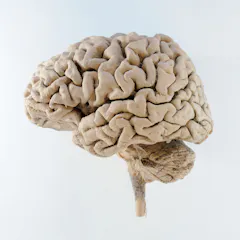
Many of the genes and transcripts associated with schizophrenia are only found in humans, which makes studying the disorder difficult. But scientists are slowly making progress.
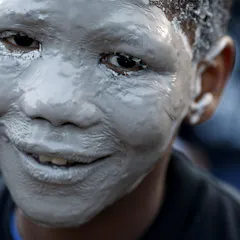
Human population groups worldwide are highly homogeneous genetically. They are in fact 99.5% similar and their anatomical features vary in an uncorrelated fashion over the landscape.
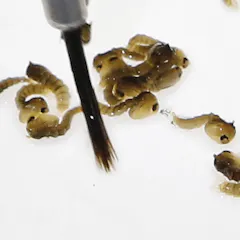
Insecticides and mosquito nets only get you so far. Synthetic biologists are ready to take the battle against mosquito-borne disease to the level of DNA – which might spell the insects’ ultimate doom.
Research on how our lifestyles affect our genes raises the possibility of giving your future kids a better start in life before they’re even born.
The most important lesson? Always read the small print.
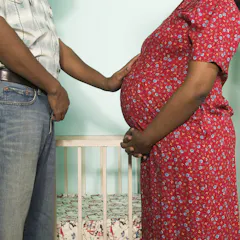
When men deny the paternity of children, many South African women feel like they have no recourse. Making DNA tests affordable and accessible could change this.

New research suggests how we could prevent genetically modified organisms from surviving - and potentially spreading - in the wild.
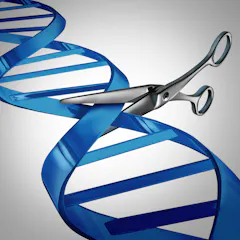
The International Summit on Human Gene Editing drew a distinction between editing an individual’s body cells and editing germline cells that would pass changes to future generations. Does that make sense?

Biology is out of our control but can influence our behaviour. But should people be given shorter sentences because of their genes?
Should the gathering of experts from around the world that’s considering the scientific, ethical, and governance issues linked to research into gene editing ring alarm bells?

While gene editing offers the exciting potential for disease therapies, using it on human embryos opens up a can of worms.
Top contributors
-

Chair, The Conversation Media Group
-
Distinguished Professor, Charles Sturt University
-
Jenny Graves is a Friend of The Conversation.
Distinguished Professor of Genetics and Vice Chancellor's Fellow, La Trobe University
-
Lecturer, Business School & Centre for Policy Futures, The University of Queensland
-
Research fellow, The University of Queensland
-
Author and Honorary Fellow, Centre for History and Philosophy of Science, University of Leeds
-
Professor in Molecular Archaeology, Department of Archaeology and Classical Studies, Stockholm University
-
Professor of Microbiology, School of Medicine, University of Washington
-
Head, Molecular Medicine Laboratory, WEHI (Walter and Eliza Hall Institute of Medical Research)
-
Deputy Director and ARC Future Fellow, Australian Centre for Ancient DNA, Adelaide University
-
Ethical, Legal & Social Adviser in Public Health Genomics, Monash University
-
Doctoral Student in Biochemistry, University of Washington
-
Senior Lecturer in Population, Medical and Evolutionary Genomics, Lund University
-
Professor of English, York University, Canada
-
Assistant Professor in Biomedical Ethics, National University of Singapore