
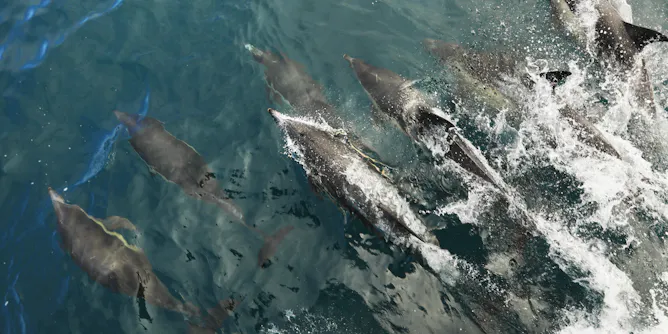
New research has developed the first molecular ‘clock’ for common dolphins. It could be a game-changer for conservation.
Articles on DNA
Displaying 21 - 40 of 523 articles

Ethical guidelines for ancient DNA need to protect past, present and future generations.
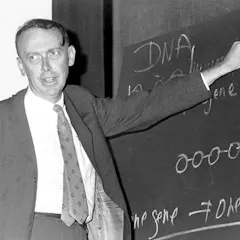
James Dewey Watson is best known for his Nobel Prize-winning discovery of the structure of DNA. Controversy around who should be credited highlights the challenges of scientific collaboration.
Tardigrades make a unique damage suppressor protein that researchers are working to harness for medicine, space, agriculture, data storage and more.
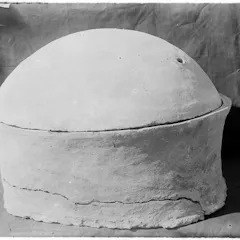
There was previously no direct genetic data from an Egyptian individual of this period.

Forensic genetics can help us trace the ancestral source of any wine grape – and may lead to bioengineered wines in the future.
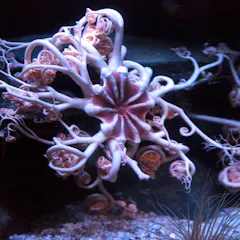
Deep-sea creatures from Iceland to Tasmania are more closely related than anybody realised.

Groundbreaking treatment works, but why the ten-year silence?

These tests promise to show how much cellular ‘wear and tear’ your body has undergone, and how that corresponds with your age in years. Here’s what the science says.
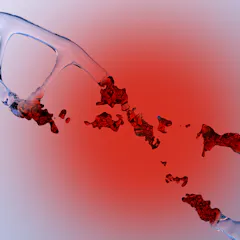
Researchers discovered a previously unknown function of RNA, potentially opening the door to new ways to treat cancer and neurodegenerative diseases.
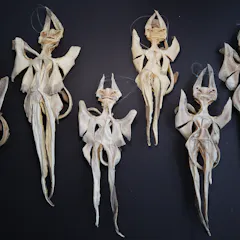
They look like devils and hence are called pez diablo in Spanish, but these demonic objects are dried and mutilated versions of living rays known as guitarfish.

The Supreme Court has ruled that executing the innocent does not violate the Constitution, but some states allow people convicted of crimes to bring actual innocence claims.

Heather Taylor Johnson’s mother had a difficult, lonely childhood. How would it have been different if her half-sister had grown up with her?

Genetic insights into the Fulani people not only illuminate their biological history but also enrich our understanding of their cultural and historical narratives.

The animals are an imitation, but the technology used to create them could have wide-ranging applications.

The possibility of new ownership over 23andMe has some customers concerned about how their sensitive genetic information will be handled in the future.
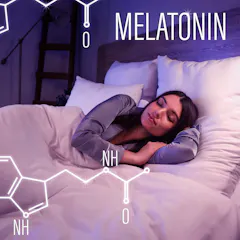
Taking melatonin supplements won’t erase existing DNA damage, but it might help bolster the body’s natural repair system.

The gene that codes for p53 is the most frequently mutated in cancer. Researchers are targeting different parts of its complex pathway to restore its ability to stop cancer.

Scientists have traced the evolutionary heritage of marsupial moles and explained how they evolved unique adaptations that help them survive beneath the sand.
As 23andMe struggles financially, it’s a good time to reconsider issues on privacy, use, and commercialization of genetic information.
Top contributors
-

Chair, The Conversation Media Group
-
Distinguished Professor, Charles Sturt University
-
Jenny Graves is a Friend of The Conversation.
Distinguished Professor of Genetics and Vice Chancellor's Fellow, La Trobe University
-
Lecturer, Business School & Centre for Policy Futures, The University of Queensland
-
Research fellow, The University of Queensland
-
Author and Honorary Fellow, Centre for History and Philosophy of Science, University of Leeds
-
Professor in Molecular Archaeology, Department of Archaeology and Classical Studies, Stockholm University
-
Professor of Microbiology, School of Medicine, University of Washington
-
Head, Molecular Medicine Laboratory, WEHI (Walter and Eliza Hall Institute of Medical Research)
-
Deputy Director and ARC Future Fellow, Australian Centre for Ancient DNA, Adelaide University
-
Ethical, Legal & Social Adviser in Public Health Genomics, Monash University
-
Doctoral Student in Biochemistry, University of Washington
-
Senior Lecturer in Population, Medical and Evolutionary Genomics, Lund University
-
Professor of English, York University, Canada
-
Assistant Professor in Biomedical Ethics, National University of Singapore