

The 1989 trial of Desmond Applebee shows the challenge of interrogating novel scientific evidence – a challenge that persists in Australia today.
Articles on DNA
Displaying 41 - 60 of 523 articles

We can already tinker with human DNA to treat diseases. But being able to edit RNA allows for even more precision – and fewer risks.

New research reveals how parrots and finches develop their extraordinary colours – and shows that evolution is an ongoing process.

The size of DNA cells between the biggest and smallest genomes varies by as much as 10,000 times.

The world’s largest genetic study on the size of specific brain parts has revealed hundreds of clues about how some health conditions develop.

There are some simple steps customers of 23andMe can take to protect their highly personal genetic data.

Ancient human genomes reconstructed from remains at a southern African rock shelter show remarkable genetic continuity over time.

Research into the vulnerable Iberian lynx reveals surprising insights into its genetic history.

New techniques monitor the health of lakes in real time by analyzing their microbiome to anticipate and respond to environmental threats such as cyanobacteria.

It’s unclear why people chose to live in the caves, but DNA is shedding light on their lives.

You don’t need a fancy qualification for these experiments – just some curiosity and few household basics.
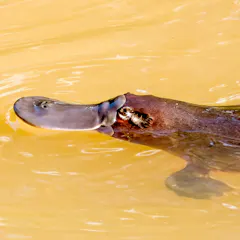
Females have twice as many copies of some genes as males do – and exactly how different species manage this imbalance has puzzled scientists for decades.

Winning a Nobel Prize is a rare achievement, but some researchers have been awarded more than one.

Our research suggests environmental DNA analysis could transform traditional ways of monitoring freshwater ecosystems.

An insect’s physical shape and characteristics indicate which species it belongs to, but sometimes species appear remarkably similar. DNA technologies can help identify and discover species.

Paleontologist Bill Ausich explains whether dinosaurs could ever roam the Earth again. Listen on The Conversation’s Curious Kids podcast.
‘Hervs’ date back hundreds of thousands of years – and play an important role in regulating genes.
Genomic research stands to help develop new medical treatments – and we need donations of lots of data for this to work. But people don’t want data on their genes to be exploited for profit.

The origin of life on Earth is one of the biggest mysteries in science.
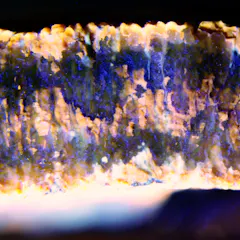
Calcite, the material making up fossilized eggshells, may preserve amino acids better than bone.
Top contributors
-

Chair, The Conversation Media Group
-
Distinguished Professor, Charles Sturt University
-
Jenny Graves is a Friend of The Conversation.
Distinguished Professor of Genetics and Vice Chancellor's Fellow, La Trobe University
-
Lecturer, Business School & Centre for Policy Futures, The University of Queensland
-
Research fellow, The University of Queensland
-
Author and Honorary Fellow, Centre for History and Philosophy of Science, University of Leeds
-
Professor in Molecular Archaeology, Department of Archaeology and Classical Studies, Stockholm University
-
Professor of Microbiology, School of Medicine, University of Washington
-
Head, Molecular Medicine Laboratory, WEHI (Walter and Eliza Hall Institute of Medical Research)
-
Deputy Director and ARC Future Fellow, Australian Centre for Ancient DNA, Adelaide University
-
Ethical, Legal & Social Adviser in Public Health Genomics, Monash University
-
Doctoral Student in Biochemistry, University of Washington
-
Senior Lecturer in Population, Medical and Evolutionary Genomics, Lund University
-
Professor of English, York University, Canada
-
Assistant Professor in Biomedical Ethics, National University of Singapore