
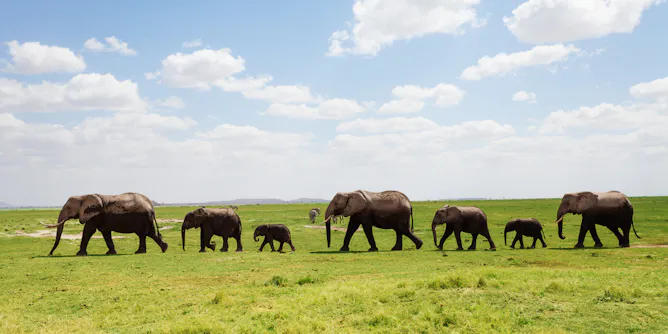
Humans aren’t the only animals to learn survival tricks from each other.
Articles on DNA
Displaying 241 - 260 of 523 articles

Estimating our ancestry is hard – because our backgrounds are much more mixed up than we thought. So don’t take your DNA ancestry test results literally: they’re just a prediction.

Scientists and ethicists have called for a five-year moratorium on editing human genes that will pass on to future generations. Yes, society needs to figure out how to proceed – but is this the best way?
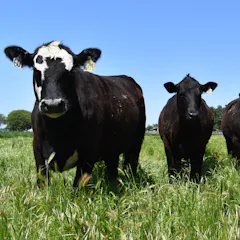
According to current regulations, animals that have been genetically edited, like pigs or cows, are considered drugs. What are the consequences of such rules on American livestock and agriculture?
Let’s worry about the future of Brexit, not its prehistory.
When you share your genetic data – even with the NHS – you don’t know where it will end up, or how it will be used.
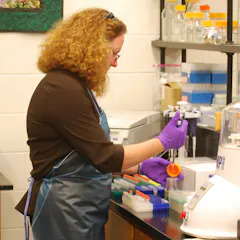
On average, important new lab techniques like CRISPR take 23 years to develop – but there is a public expectation that scientific breakthroughs occur quickly and efficiently.
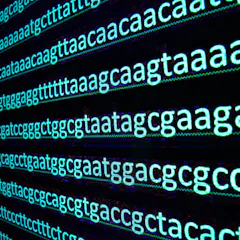
The NHS’s plan to offer genome sequencing to the general public, for a fee, raises many important questions.
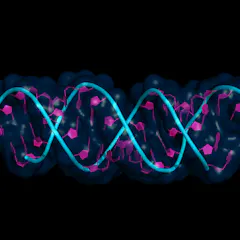
Genes aren’t destiny, but you don’t need epigenetics to make the case.
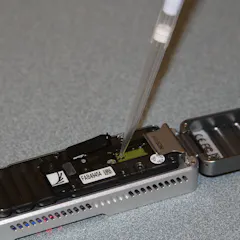
Researchers have increasingly turned to DNA sequencing to help identify and track diseases like Ebola.
Scientists edge closer to truly personalised medicine thanks to advances in genome sequencing.

Police have powerful new genetic tools. How are we going to regulate their use? A Genetic Data Protection Act is one solution to ensure confidence in the way DNA is accessed and used.
Self-examination DNA collection techniques can help women bring the perpetrators of sexual violence to justice.
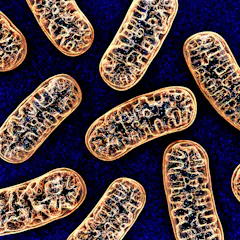
We previously thought mitochondrial DNA could only be passed on by mothers.
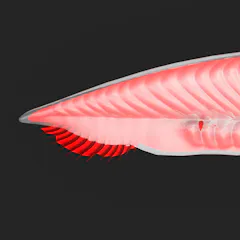
The marine creature amphioxus allows scientists to explore some of the steps that took place as simple creatures evolved to become complex animals.
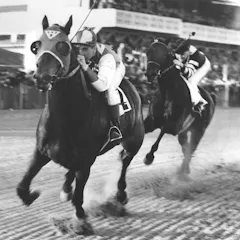
The US went crazy for Seabiscuit when he won his famous 1938 match race against War Admiral. Now researchers are investigating the thoroughbred’s DNA to see what made him such an unlikely success.
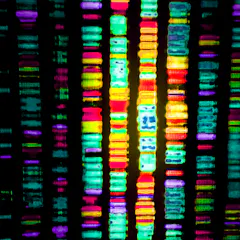
The chances of your genetic data being recorded by the state depend on who you are.

The question of whether a person can “become” Aboriginal after discovering ancestry through a DNA test is more complicated in Australia.
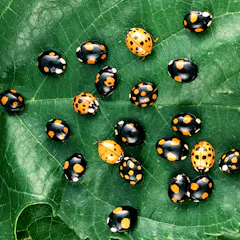
Where do the pretty colours of the harlequin ladybug come from? A single gene draws the colour patterns of this familiar insect.
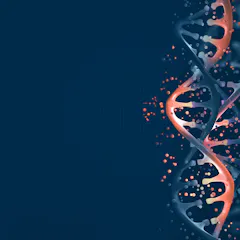
Once genetic lesions for diseases such as cystic fibrosis and haemophilia were identified, the idea of replacing or correcting defective genes grew into what we now call “gene therapy”.
Top contributors
-

Chair, The Conversation Media Group
-
Distinguished Professor, Charles Sturt University
-
Jenny Graves is a Friend of The Conversation.
Distinguished Professor of Genetics and Vice Chancellor's Fellow, La Trobe University
-
Lecturer, Business School & Centre for Policy Futures, The University of Queensland
-
Research fellow, The University of Queensland
-
Author and Honorary Fellow, Centre for History and Philosophy of Science, University of Leeds
-
Professor in Molecular Archaeology, Department of Archaeology and Classical Studies, Stockholm University
-
Professor of Microbiology, School of Medicine, University of Washington
-
Head, Molecular Medicine Laboratory, WEHI (Walter and Eliza Hall Institute of Medical Research)
-
Deputy Director and ARC Future Fellow, Australian Centre for Ancient DNA, Adelaide University
-
Ethical, Legal & Social Adviser in Public Health Genomics, Monash University
-
Doctoral Student in Biochemistry, University of Washington
-
Senior Lecturer in Population, Medical and Evolutionary Genomics, Lund University
-
Professor of English, York University, Canada
-
Assistant Professor in Biomedical Ethics, National University of Singapore