
One way to make sensors small is to make them out of something that’s incredibly small in the first place, such as DNA.
Articles on DNA
Displaying 281 - 300 of 523 articles
Most of our genes descend directly from the last common ancestor of animals.
Our ability to reconstruct physical features from DNA is advancing, but can we ensure the privacy of “anonymised” genetic data if we can predict the face of its owner?
Synthetic biology allows us to engineer biological cells. This could help us tackle cancer in remarkable ways.

A public genealogy data base was used to track down the so-called “Golden State Killer,” raising concerns about the privacy of using public sites to fill out our family trees.
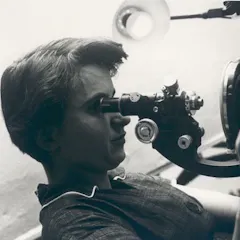
It’s 65 years since the structure of DNA was first published, but the woman who made that possible remains unknown to many people.
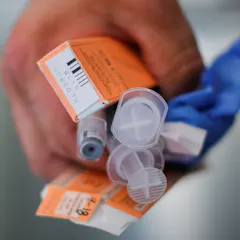
Scientists are just starting to understand how your parents’ genes and experiences might shape your own susceptibility to dangerous drugs. Could that help to stop addictions before they start?

New research shows just 1% of E. coli bacteria’s genetic mutations are lethal.

In 2003 the Human Genome Project “cracked the code of life”, yet parts of our DNA remained unidentified. A new study fills out our genetic blueprint by using a nanotechnology-based technique.
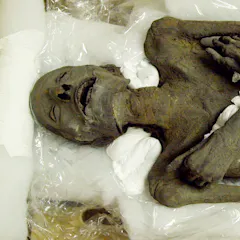
Are DNA samples today’s version of the human skeletons that hung in 20th-century natural history museums? They can provide genetic revelations about our species’ history – but at an ethical price.

Online genetic testing promises many things. Some are the stuff of fantasy, while others, even if scientifically feasible, still carry risks. Consider these five things before ordering a test.
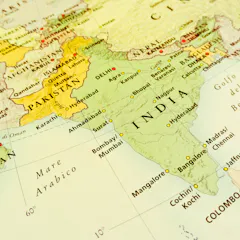
Each discipline tells us only part of the story. And so the truest picture of prehistory comes from triangulating these independent lines of evidence.
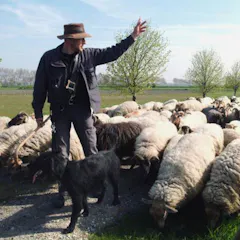
Humans have long been trying differentiate themselves from the rest of the biological world. Is it because we’re superior, or just insecure?

The genes in our cells’ mitochondria are passed on in a different way than the vast majority of our DNA. New studies shed light on how the unique process isn’t derailed by mutations.

A new study suggests that high blood-sugar levels are an effect rather than a cause of type 2 diabetes.

Mutated bone marrow stem cells could double your risk of having a heart attack.

The first British people were black – and other interesting findings made possible by genomic sequencing.

New evidence points to a possible burial site for South Australia’s Beaumont children, missing for 52 years. Specialist techniques will be applied to extract and sequence DNA if remains are found.
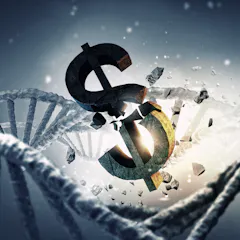
DNA marketplaces powered by the blockchain and new cryptocurrency tokens promise to let you profit from your own genome.

Scientists have made advances in developing a new type of blood test to detect eight of the most common cancers.
Top contributors
-

Chair, The Conversation Media Group
-
Distinguished Professor, Charles Sturt University
-
Jenny Graves is a Friend of The Conversation.
Distinguished Professor of Genetics and Vice Chancellor's Fellow, La Trobe University
-
Lecturer, Business School & Centre for Policy Futures, The University of Queensland
-
Research fellow, The University of Queensland
-
Author and Honorary Fellow, Centre for History and Philosophy of Science, University of Leeds
-
Professor in Molecular Archaeology, Department of Archaeology and Classical Studies, Stockholm University
-
Professor of Microbiology, School of Medicine, University of Washington
-
Head, Molecular Medicine Laboratory, WEHI (Walter and Eliza Hall Institute of Medical Research)
-
Deputy Director and ARC Future Fellow, Australian Centre for Ancient DNA, Adelaide University
-
Ethical, Legal & Social Adviser in Public Health Genomics, Monash University
-
Doctoral Student in Biochemistry, University of Washington
-
Senior Lecturer in Population, Medical and Evolutionary Genomics, Lund University
-
Professor of English, York University, Canada
-
Assistant Professor in Biomedical Ethics, National University of Singapore