

If we are not careful, the coronavirus pandemic could lead to a rise in xenophobic attitudes.
Articles on DNA
Displaying 201 - 220 of 523 articles
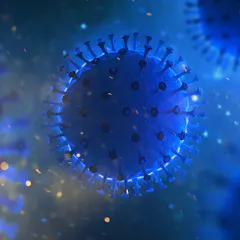
It seems as though every other day we’re told a cure has been found for coronavirus. This is not strictly true – but there are some therapeutic options showing promise.
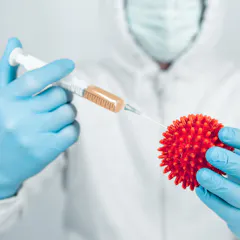
Under pressure to develop a coronavirus vaccine, researchers have turned to protein synthesis, genetics and hybrid viruses. It is likely a mix of these approaches will be used to fight the coronavirus.

The SARS-CoV-2 virus responsible for the COVID-19 pandemic is undergoing extensive genetic analysis around the world to understand its origin and evolution.

It might protect thousands of people.
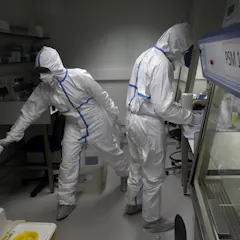
A molecular biologist explains who should get tested, how the tests work and what the US government is doing to make tests available during a rapidly changing crisis.
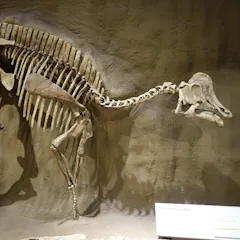
Scientists claim to have found DNA in fossilised dinosaur cartilage.
Privacy concerns that emerged since law enforcement started mining the databases have put such a serious dent in the business that both Ancestry.com and 23andMe have reduced employees significantly.

Pediatric epigenetic clocks have the potential to accurately assess biological age. However, possible applications in law enforcement and immigration raise ethical issues.
Genome sequencing technologies have transformed biological research in many ways, but have had a much smaller effect on the treatment of common diseases.

No one knows exactly how AI-based DNA analysis software works, so it can’t be scrutinised in court.

New research has pinpointed the genetic boost behind one of the biggest transformations of life on Earth.

DNA testing kits will be a popular gift this holiday season. Before mailing off your saliva, it’s important to understand what these kits can and cannot tell us.
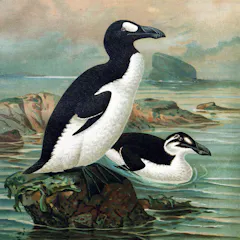
Understanding why the great auk went extinct could help protect species still living today.
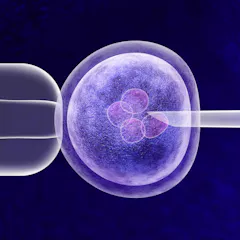
One year after the first CRISPR babies were announced, changes in policies and regulations have meant that there have been no new CRISPR announcements since.
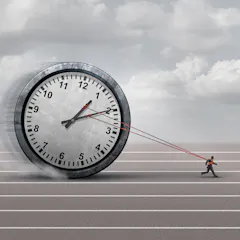
Emerging evidence suggests that prolonged stress exposure can accelerate the ticking rate of an internal cellular clock. By doing so, stress can contribute to faster ageing and body deterioration.
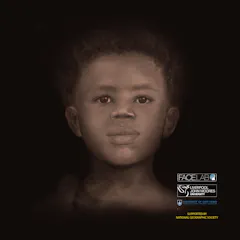
Through science, art and technology, we are able to reconstruct the faces of the dead based on their remains. The researcher who did this work for descendants in Sutherland explains the process.

An animal’s poop may seem like something to avoid, but it’s full of information about the creature that left it there.
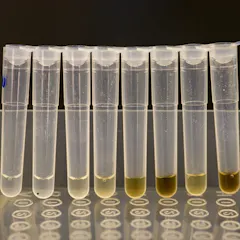
A US judge has allowed police access to the major DNA database without users’ consent (including Australian users). It’s a timely reminder that we urgently need genetic privacy legislation.
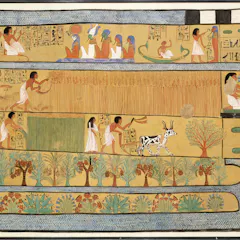
What ancient crop genomes can tell us about our history.
Top contributors
-

Chair, The Conversation Media Group
-
Distinguished Professor, Charles Sturt University
-
Jenny Graves is a Friend of The Conversation.
Distinguished Professor of Genetics and Vice Chancellor's Fellow, La Trobe University
-
Lecturer, Business School & Centre for Policy Futures, The University of Queensland
-
Research fellow, The University of Queensland
-
Author and Honorary Fellow, Centre for History and Philosophy of Science, University of Leeds
-
Professor in Molecular Archaeology, Department of Archaeology and Classical Studies, Stockholm University
-
Professor of Microbiology, School of Medicine, University of Washington
-
Head, Molecular Medicine Laboratory, WEHI (Walter and Eliza Hall Institute of Medical Research)
-
Deputy Director and ARC Future Fellow, Australian Centre for Ancient DNA, Adelaide University
-
Ethical, Legal & Social Adviser in Public Health Genomics, Monash University
-
Doctoral Student in Biochemistry, University of Washington
-
Senior Lecturer in Population, Medical and Evolutionary Genomics, Lund University
-
Professor of English, York University, Canada
-
Assistant Professor in Biomedical Ethics, National University of Singapore