
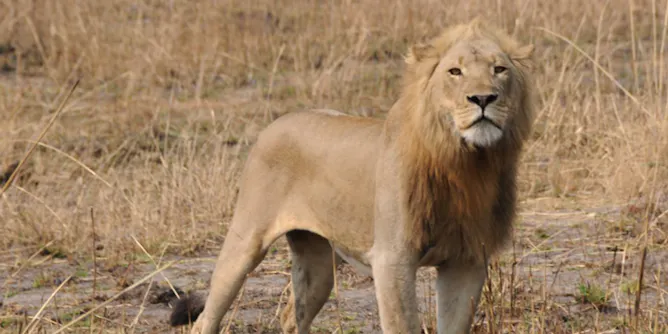
Male lions are responsible for the movement of genes between prides. New research confirmed that the genes are traveling long distances – even though no one has been spotting the lions on the journey.
Articles on DNA
Displaying 221 - 240 of 523 articles

Scientists are left with two conclusions. Either Nessie is an eel, or she never existed at all.

Current plans for lunar exploration may end up destroying ancient, genetic samples from Earth that have ended up on the moon.

Developments in mitochondrial DNA sequencing are returning South Africa’s slavery heritage to view.

What happens during a forensic medical examination? And if you’ve been sexually assaulted, what can you expect?
CRISPR technology could have momentous effects if it’s used to edit genes that will be inherited by future generations. Researchers and ethicists continue to weigh appropriate guidelines.

While forensic scientists mostly use fingerprints, dental records and DNA to identify human remains, they have many other techniques in their forensic toolkit. How many have you heard of?
Changes in our environment can reveal previously hidden mutations in our DNA with potentially good and bad consequences.

New research outlines how the ancestors of modern humans interbred with several archaic human groups on the passage from Africa to Australia.
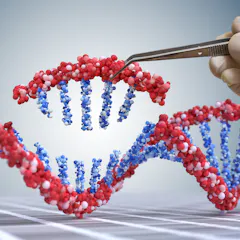
The idea of CRISPR as scissors ignores an entire ecosystem of moving parts that are crucial for understanding the awe-inspiring, crazy thing scientists are trying to do when they attempt gene editing.

Having different coloured eyes is quite unusual, but it happens in many species throughout the animal kingdom.

New research investigated who uses the wide array of tools available to people who’ve received their own raw genetic data and want to maximize what they learn from it.
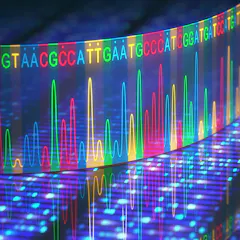
Superfast DNA analysis is now being used to crack medical mysteries when physicians can’t figure out whether an infectious microbe is causing the disease.

A ban on clinical trials involving gene editing rules out the controversial procedure done in China. But it also prevents procedures that could offer couples a chance for healthy children without genetic disorders.
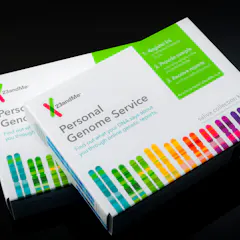
Despite privacy concerns over police use of DNA uploaded to ancestry websites, many people are just excited that their genetic material could get a killer off the streets.
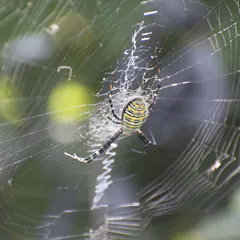
The glue that gives spider webs their stickiness is a form of spider silk protein. Researchers can imagine cool uses for a synthetic version – but had to wait for the tricky glue gene to be sequenced.

As DNA testing becomes cheaper, it becomes more feasible to screen large numbers of healthy people for their risk of disease.
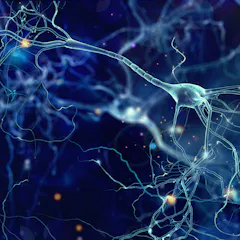
A new technology has enabled neuroscientists to examine the chemistry of individual brain cells. The finding reveal how genes are regulated differently in brain cells of people with autism compared to neurotypical people.

Canadian audiences did not object to Ancestry’s ad which romanticized Canada as “Promised land,” but they should have.
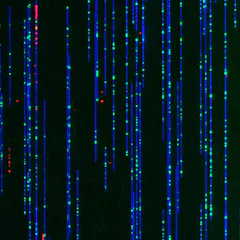
You are probably familiar with graphics depicting the double helix structure of DNA. But have you ever seen a single DNA molecule standing straight?
Top contributors
-

Chair, The Conversation Media Group
-
Distinguished Professor, Charles Sturt University
-
Jenny Graves is a Friend of The Conversation.
Distinguished Professor of Genetics and Vice Chancellor's Fellow, La Trobe University
-
Lecturer, Business School & Centre for Policy Futures, The University of Queensland
-
Research fellow, The University of Queensland
-
Author and Honorary Fellow, Centre for History and Philosophy of Science, University of Leeds
-
Professor in Molecular Archaeology, Department of Archaeology and Classical Studies, Stockholm University
-
Professor of Microbiology, School of Medicine, University of Washington
-
Head, Molecular Medicine Laboratory, WEHI (Walter and Eliza Hall Institute of Medical Research)
-
Deputy Director and ARC Future Fellow, Australian Centre for Ancient DNA, Adelaide University
-
Ethical, Legal & Social Adviser in Public Health Genomics, Monash University
-
Doctoral Student in Biochemistry, University of Washington
-
Senior Lecturer in Population, Medical and Evolutionary Genomics, Lund University
-
Professor of English, York University, Canada
-
Assistant Professor in Biomedical Ethics, National University of Singapore