
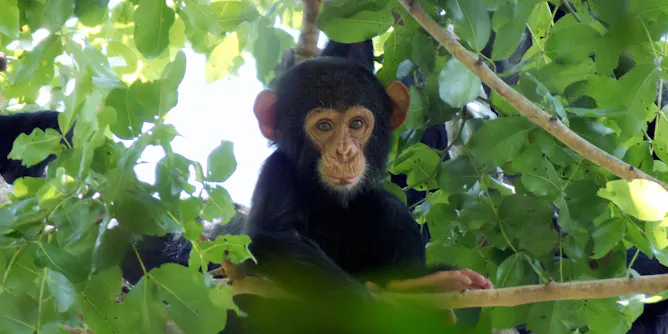
Wild chimpanzees are hard to find, but their DNA – left-behind genetic traces – are opening up a new way of studying them.
Articles on DNA
Displaying 301 - 320 of 523 articles
New mouse model study sheds light on why alcohol is so harmful.

A conversation between a biologist and a philosopher on the relationship between man and divinity.

The Anglo-Saxons were written into history by their descendants.
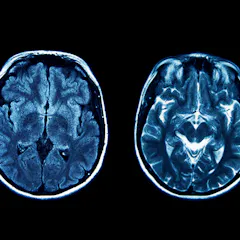
Antisense therapy showed promising results in a first-in-human trial for Huntington’s disease.

One big challenge for gene therapies is delivering DNA or RNA safely to cells inside patients’ bodies. New nanoparticles could be an improvement over the current standard – repurposed viruses.
The rapid growth of genetic testing and data-gathering could revolutionize health and medicine if governments work to protect people against privacy and societal risks.

New research offers insight into a thorny issue.
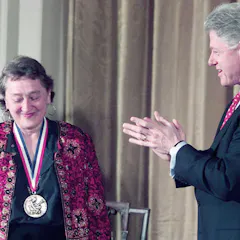
Lynn Margulis (1938-2011) was a courageous scholar whose remarkable work on the role of symbiosis in evolution stands as a magisterial contribution of science.

Genome sequencing is transforming the way we diagnose disease. But lack of diversity in genomic data means only some Canadians will benefit from this revolutionary technology.

Bacteria don’t just mutate to beat antibiotics, they also make changes on the fly.
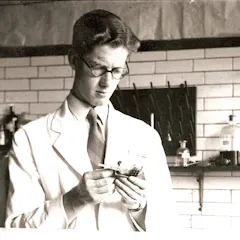
Remembering J. M. Creeth, 70 years after he discovered hydrogen bonds in DNA.

If you could take a test that would reveal the diseases you and your family might be more likely to get, would you want to do it?
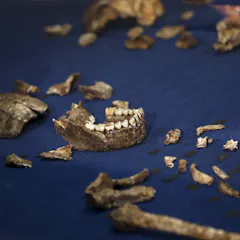
A rush of ancient DNA projects in Africa has presented the curators of archaeological skeletons with ethical issues because research requires the destruction of human bone.

A landmark study in the UK discovered the gene that allows cells to form into embryos. If Australian researchers attempted this they could go to jail for 15 years.

If you want to live on Mars, you’re going to need to grow food. Seeds are naturally equipped to handle challenging Earth environments, but how well can they survive what they’ll encounter off-planet?
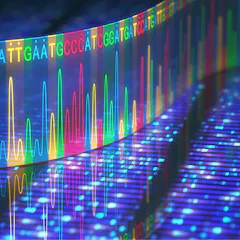
Comparing genomes of more than 200,000 people, researchers identified genetic variants that are less common in older people, suggesting natural selection continues to weed out disadvantageous traits.
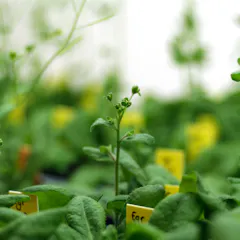
Inserting a random DNA mishmash into a plant or bacterium directs it to make a novel protein. Sifting through the resulting molecules, researchers may find ones have medical or agricultural uses.
If only DNA samples and microfibres made crimes as easy to solve as on CSI.

A recent study shows how the number of vulnerable and endangered amphibians is nearly double that of birds or mammals. Strategies need to be put in place, and fast.
Top contributors
-

Chair, The Conversation Media Group
-
Distinguished Professor, Charles Sturt University
-
Jenny Graves is a Friend of The Conversation.
Distinguished Professor of Genetics and Vice Chancellor's Fellow, La Trobe University
-
Lecturer, Business School & Centre for Policy Futures, The University of Queensland
-
Research fellow, The University of Queensland
-
Author and Honorary Fellow, Centre for History and Philosophy of Science, University of Leeds
-
Professor in Molecular Archaeology, Department of Archaeology and Classical Studies, Stockholm University
-
Professor of Microbiology, School of Medicine, University of Washington
-
Head, Molecular Medicine Laboratory, WEHI (Walter and Eliza Hall Institute of Medical Research)
-
Deputy Director and ARC Future Fellow, Australian Centre for Ancient DNA, Adelaide University
-
Ethical, Legal & Social Adviser in Public Health Genomics, Monash University
-
Doctoral Student in Biochemistry, University of Washington
-
Senior Lecturer in Population, Medical and Evolutionary Genomics, Lund University
-
Professor of English, York University, Canada
-
Assistant Professor in Biomedical Ethics, National University of Singapore