
Modern DNA sampling is shockingly sensitive – you can get someone’s profile from just 80 cells.
Articles on DNA
Displaying 121 - 140 of 523 articles
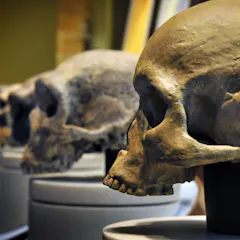
Ancient DNA helps reveal the tangled branches of the human family tree. Not only did our ancestors live alongside other human species, they mated with them, too.
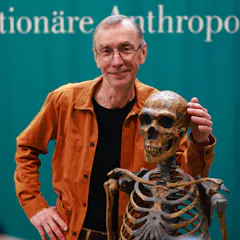
The Nobel Prize in physiology or medicine for 2022 has been awarded to Svante Pääbo, whose discoveries have been pivotal to the way we understand our evolutionary history.

As the potential for space travel increases, it is necessary to develop methods to protect astronauts from environmental stresses in space. Studying the DNA of baker’s yeast may provide some clues.
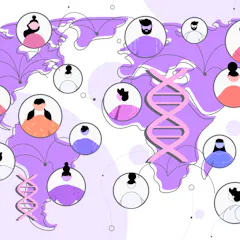
Existing genetic data and sequencing tools are overwhelmingly based on people of European ancestry, which excludes much of the rich genetic variation of the world.
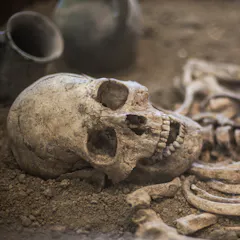
DNA dating could complement radiocarbon technology to help make archaeology more accurate.

Our study in mice shows epigenetic changes in the mother can be passed to her offspring to influence a critical time in how the spine develops.
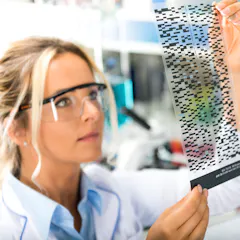
Taking a DNA test kit sounds like harmless fun but some people end up getting more than they bargained for.
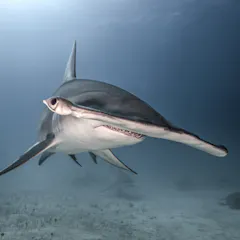
The first hammerhead shark was likely the result of a genetic deformity. A biologist explains how shark DNA reveals hammerheads’ history.
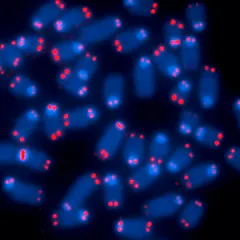
The protective caps at the ends of chromosomes naturally shorten over time. Researchers found that direct damage can prematurely trigger senescence and contribute to age-related diseases like cancer.
Pioneered by the Human Cell Atlas consortium, our understanding of the human body is about to be transformed – and with it, the way we treat and prevent disease

A host of problems are behind police failures, including poor evidence gathering and the mistreatment of witnesses.
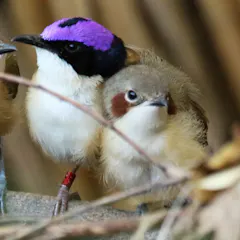
Exposure to hot and dry conditions can damage the DNA of nestling birds in their first few days of life – meaning they age earlier and produce less offspring.

Both Macron and Madonna have expressed concerns about genetic privacy. As DNA collection and sequencing becomes increasingly commonplace, what may seem paranoid may instead be prescient.
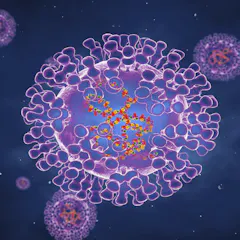
Nigeria must step up its preparedness for mpox.
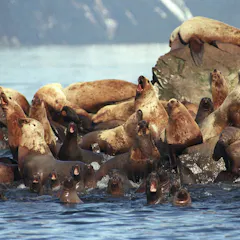
ToxChips study the changes in the DNA of animals exposed to contaminants, like those found in oil spills.
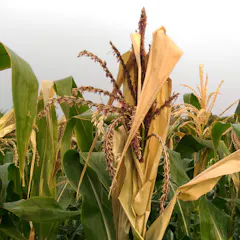
The climate crisis makes it important to investigate and understand the mechanisms of plant growth if we are to keep agricultural crops sustainable.

Khorana rose from humble beginnings in India to decipher the genetic code. But his enormous contribution to science has been largely overlooked.

Advances in technology have enabled researchers to sequence the large regions of repetitive DNA that eluded the Human Genome Project.
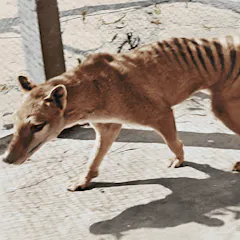
‘De-extinction’ seems like a way to save dying or dead species - but in reality it’s an expensive and impractical waste of time.
Top contributors
-

Chair, The Conversation Media Group
-
Distinguished Professor, Charles Sturt University
-
Jenny Graves is a Friend of The Conversation.
Distinguished Professor of Genetics and Vice Chancellor's Fellow, La Trobe University
-
Lecturer, Business School & Centre for Policy Futures, The University of Queensland
-
Research fellow, The University of Queensland
-
Author and Honorary Fellow, Centre for History and Philosophy of Science, University of Leeds
-
Professor in Molecular Archaeology, Department of Archaeology and Classical Studies, Stockholm University
-
Professor of Microbiology, School of Medicine, University of Washington
-
Head, Molecular Medicine Laboratory, WEHI (Walter and Eliza Hall Institute of Medical Research)
-
Deputy Director and ARC Future Fellow, Australian Centre for Ancient DNA, Adelaide University
-
Ethical, Legal & Social Adviser in Public Health Genomics, Monash University
-
Doctoral Student in Biochemistry, University of Washington
-
Senior Lecturer in Population, Medical and Evolutionary Genomics, Lund University
-
Professor of English, York University, Canada
-
Assistant Professor in Biomedical Ethics, National University of Singapore