

In one research project, more than 93% of stage managers interviewed said they had ‘probably’ or ‘definitely’ experienced burnout.
Articles on Burnout
Displaying 1 - 20 of 130 articles

NZ’s first large study of lawyer wellbeing finds widespread work-related distress – as well as some potential solutions to address it.

Rest matters, but it cannot indefinitely compensate for working conditions that repeatedly deplete staff.

Compassion is an underrated leadership strength among both men and women, and research shows it is an asset that is key to efficient team management, particularly in challenging times.

Canada has a promising gender-based violence legal and policy framework, but none of it accounts for the people actually delivering frontline services.

New research suggests doctors are carrying the emotional burden of health system failures, adding to workforce pressures in New Zealand and beyond.

The language of burnout turns up in agricultural records from more than 200 years ago, long before the term entered popular use.

Mental health problems keep people off work around five times longer than other types of injuries.

More than 2 in 5 social media marketers say they plan to leave their job within two years, and many cite insufficient mental health support from supervisors.

Less than half of American workers feel that they clearly know what their employers expect from them. And many employees are too discouraged to do their best.

Victorians were acutely aware of the health problems which could come from devotion to the ‘gospel of work’.
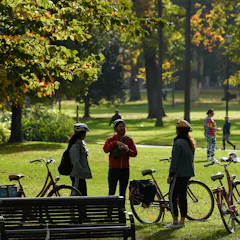
All but one of the companies researchers studied decided to continue with a four-day work week. And none reported a loss of productivity.

Turning hobbies into income streams may ease financial pressure, but it can also drain the joy that made them meaningful in the first place.

Self-control is a valuable trait, but when we assume it comes effortlessly to those who demonstrate it, we risk burning out the people we depend on most.

A study rooted in Black women educators’ experiences invites us to envision education as a site of liberation, not just endurance.

It’s a time when professional and personal responsibilities often rise rapidly.

Burnout isn’t a personal failure. It’s a design flaw. But there is another way.

It can be exhausting for autistic people to live in a world designed for neurotypical people.

Rather than dismissing young workers as distracted or too demanding of work-life balance, we might consider they’re sounding the alarm of what’s broken at work and how we can fix it.
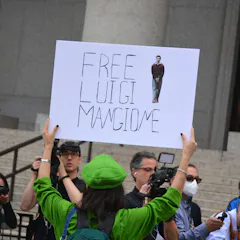
Our research found a link between burnout and support for extremist violence.
Top contributors
-

Director, Field Experience (Community-Based), Werklund School of Education, University of Calgary
-
Scientia Professor of Psychiatry, UNSW
-
Professor of Management, Deakin University
-
Clinical Psychologist, Te Herenga Waka — Victoria University of Wellington
-
RBC Professor in Responsible Organizations and Full Professor, Concordia University
-
Lecturer in Health, The Open University
-
Associate Professor, Family Medicine, Queen's University, Ontario
-
Associate professor of edcuational leadershiop and policy analysis, University of Missouri-Columbia
-
Professor of Education and 21st Century Endowed Chair in Teacher Quality, University of Arkansas
-
Assistant Professor of Education, Temple University
-
Associate Director of the Office for Education Policy, University of Arkansas
-
Postdoctoral Fellow, Saint Louis University
-
Associate Professor of Special Education, Boston University
-
Professor in Occupational & Organisational Psychology, Northumbria University, Newcastle
-
Business psychologist, Lancaster University