

Rustout can occur when there is a misalignment between professional aspirations and job demands.
Articles on Burnout
Displaying 21 - 40 of 130 articles

A philosopher argues that true leisure is when we can reflect on our real priorities, cultivate friendships and decide what kind of life we want to live.

Parents of autistic children have much higher levels of stress than parents of children with other disabilities. And it’s not just about the autism itself.

When work doesn’t feel like it’s working.

A major new study of Australian lawyers shows workplace culture is critical to improving staff wellbeing.
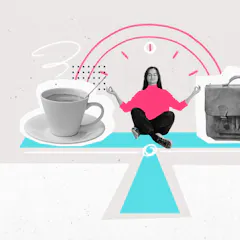
A four-day working week would be trialled in certain industries, under an election policy from the Greens, who could share the balance of power in a hung parliament.

They may look similar, but burnout and depression can have different causes and management strategies.

Going it alone can leave entrepreneurs facing specific challenges that can affect their wellbeing.

A Walk and Learn workshop series for educators struggling with burnout combines education about compassion fatigue and burnout with walking together outside of Calgary, Alberta.

The culture of self-sacrifice in nursing is leading to burnout – one of the primary reasons for the mass exodus of nurses from the profession.
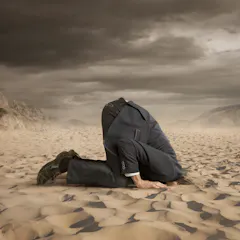
Political polarization and people not being exposed to other perspectives online are two major factors that contribute to Americans feeling exhausted with politics.

With burnout remaining a persistent challenge across Canada, remote and hybrid work arrangements provide a meaningful solution.

Emotional exhaustion has a massive impact on workers’ wellbeing, and also affects a company’s bottom line.

Burnout can be a serious condition and can show up in a variety of ways.
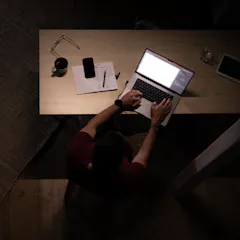
Boundaries exist for a reason.

Patients with lower socioeconomic status often have more negative healthcare experiences.

Long before the pandemic, health care workers were experiencing high levels of stress, burnout and compassion fatigue, all of which contribute to reduced quality of care for patients.

Spiritual leaders’ own pain often goes unnoticed as they tend to their community’s challenges.

Watch out for kids who are fighting more with friends, sleeping or eating differently, or are less interested in talking about their day.

Game worlds can draw users into contemplation, self-reflection and recognizing others’ stories, something important for compassionate clinical responses.
Top contributors
-

Director, Field Experience (Community-Based), Werklund School of Education, University of Calgary
-
Scientia Professor of Psychiatry, UNSW
-
Professor of Management, Deakin University
-
Clinical Psychologist, Te Herenga Waka — Victoria University of Wellington
-
RBC Professor in Responsible Organizations and Full Professor, Concordia University
-
Lecturer in Health, The Open University
-
Associate Professor, Family Medicine, Queen's University, Ontario
-
Associate professor of edcuational leadershiop and policy analysis, University of Missouri-Columbia
-
Professor of Education and 21st Century Endowed Chair in Teacher Quality, University of Arkansas
-
Assistant Professor of Education, Temple University
-
Associate Director of the Office for Education Policy, University of Arkansas
-
Postdoctoral Fellow, Saint Louis University
-
Associate Professor of Special Education, Boston University
-
Professor in Occupational & Organisational Psychology, Northumbria University, Newcastle
-
Business psychologist, Lancaster University