
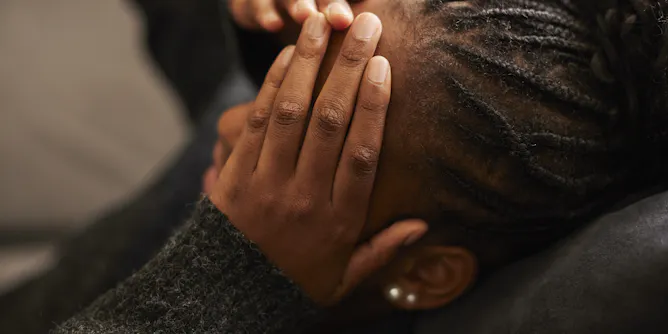
School personnel in Detroit and community members in Flint reported concerns about teens experiencing mental health conditions.
Articles on Depression
Displaying 1 - 20 of 859 articles

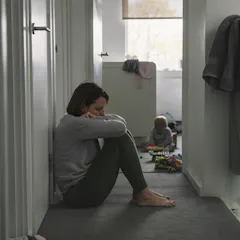
Unwanted, intrusive thoughts about infant harm are a normal, common feature of new parenthood, not necessarily a sign that a parent poses a danger to their child.
New research charts how preferences have changed over the past 45 years, and where they stand now.

Counseling in later life isn’t just for coping with loss and illness – it can help people work through questions of identity and how they seek meaning in their lives.

Calls to reduce the use of antidepressants highlight valid issues with long-term use and withdrawal, but blanket efforts to discourage their use overlooks why they are so widely prescribed.

Group interpersonal psychotherapy is an effective way to manage depression among perinatal adolescents.
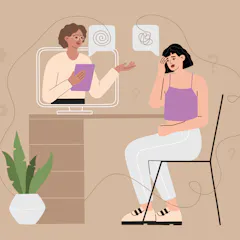
Clear communication is the secret sauce to safe and effective treatment.

Electroconvulsive therapy is supposed to be used only in extreme circumstances, such as when a patient is suicidal or when other treatments have failed.
Symptoms and impacts may fluctuate and it can be difficult to show you’ve tried other treatments.

An eight-country study assessed whether parenting programmes that were developed through research also work when offered at a wider scale in real-life conditions.

As more people turn to chatbots for support, new research is exploring a potential role for AI in spotting early signs of depression.
The psychedelic treatment is moving through the FDA clinical trial process in Colorado and elsewhere.

This study shows peers are linked to mental health. But this doesn’t mean anxiety and depression are ‘contagious’.

Mental health problems keep people off work around five times longer than other types of injuries.

The psychiatrist used to have to stay with the patient during their entire session. Now they’ll be able to leave the room after administering the drug.

Ozempic-style drugs have been flagged as possible treatments for cancer, dementia, endo, addiction and more. An expert explains what the evidence really says.

Social media platforms are shaping how we collectively think about mental health, a new study shows.

Research shows athlete disclosures about their mental health can encourage people to seek help and talk honestly about mental illness. But heckling and backlash threaten that progress.

Our trial found psilocybin worked fast and lasted months, but unpicking the drug’s true effect from patients’ expectations remains a challenge.

Contact lenses that treat depression? The idea is tantalising, but the science is still in its earliest stages.
Top contributors
-

Professor of Psychiatry, Monash University
-
Professor of Psychiatry, Wayne State University
-
Professor and Personal Chair, Swansea University
-
Professor of Clinical Neuropsychology, University of Cambridge
-
Scientia Professor of Psychiatry, UNSW
-
Professor of Psychology, The University of Melbourne
-
Professor of Psychology, San Diego State University
-
Head of the Department of Psychiatry, The University of Melbourne
-
Director School of Medicine and Psychology, Australian National University
-
Professor of Health Sciences, Simon Fraser University
-
Visiting Clinical Research Fellow in Psychiatry, UCL
-
Professor of Critical and Social Psychiatry, UCL
-
Associate Professor, Centre for Positive Health Sciences, RCSI University of Medicine and Health Sciences
-
Postdoctoral Research Associate, Cognitive Neuroscience, University of Cambridge
-
Clinical Psychologist and Professor in the Department of Psychology and Neuroscience, Dalhousie University