

More than 2 in 5 social media marketers say they plan to leave their job within two years, and many cite insufficient mental health support from supervisors.
Articles on Job burnout
Displaying all articles
A four-day working week would be trialled in certain industries, under an election policy from the Greens, who could share the balance of power in a hung parliament.

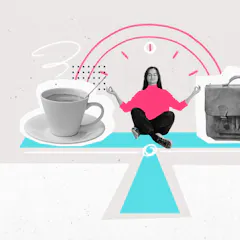
Boundaries exist for a reason.

Spiritual leaders’ own pain often goes unnoticed as they tend to their community’s challenges.

In some OECD countries, workers suffering from depression and burn-out make up than two-thirds of those absent for mental-health reasons. Successful reintegration strategies can help them come back.

Despite being a central concept in the digital age, mental workload remains difficult to define and study in real-life situations.

This Labour weekend we celebrate the eight-hour workday. But with technology blurring the line between job and home, we need to ask why our workplace law hasn’t kept pace with other countries.

Many Canadians are still feeling burned out at work. Companies can help by being more accommodating of their workers’ needs and addressing some of the root causes of burnout.

While employee resilience seems appealing — especially in the current uncertain and unpredictable time we are living in — overusing it can actually jeopardize an organization’s effectiveness.

Gig workers navigate the challenges of solo work by seeking out relationships and cultivating skills to cope with emotional turbulence

Nurses describe what it is like to work on the NHS frontline – and what the cost is to them.

Tackling mental health problems early can help prevent them from getting worse.

With teachers reporting record-high levels of burnout, and more burnout than any other profession in the US, scholars examine what’s going on and what it may mean for education.

Devotion to work can lead to burnout.

Elite employers have created an atmosphere where workers constantly seek to be as busy as possible. Families are often the first casualty of this culture.

Rates of burnout have increased alarmingly among health-care workers during the pandemic. Unless the system provides more support to its already depleted workforce, staff shortages may get worse.

Feeling exhausted, unable to concentrate and wanting to withdraw and disconnect from the world and those around you? You could be heading towards burnout.

Teachers’ professional lives can be highly demanding, pressured, stressful and at times, emotionally exhausting. But there’s an unspoken demand they suppress their emotions and just get on with it.

Although the end of the pandemic may be in sight, the costs of working remotely are growing. It’s time companies had a plan – even if they aren’t returning to the office any time soon.

Nurses on the front lines of a pandemic need education, training and institutional support.
Top contributors
-

Professeur en marketing, EM Lyon Business School
-
Assistant Professor of Management and Entrepreneurship, Indiana University
-
Professor of Psychiatry, University of Toronto
-
Research Officer, UNSW School of Psychiatry, UNSW
-
Scientist and Assistant Professor, Institute of Health Policy, Management and Evaluation, University of Toronto
-
Postdoctoral Associate, University of Maryland
-
Scientia Professor of Psychiatry, UNSW
-
Professor of Work and Organisation, University of Nottingham
-
Postdoctoral Fellow, Saint Louis University
-
Executive Dean, Faculty of Education, Philosophy and Theology, University of Notre Dame Australia
-
Associate Professor, ESSEC
-
Michael and Susan Jandernoa Professor of Management and Organizations, University of Michigan
-
Associate Professor of Special Education, Boston University
-
RBC Professor in Responsible Organizations and Full Professor, Concordia University
-
Professor of the Psychology of Religion and Theology, Boston University