

When many are struggling to makes ends meet, the idea that multi-millionaire sportsmen are too busy to spend their wealth seems hard to swallow – but it shows that reward doesn’t protect wellbeing
Articles on Burnout
Displaying 41 - 60 of 130 articles
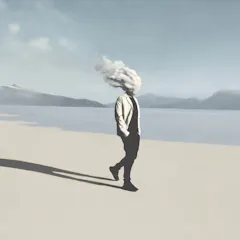
In some OECD countries, workers suffering from depression and burn-out make up than two-thirds of those absent for mental-health reasons. Successful reintegration strategies can help them come back.

You might end up sacrificing sleep, hobbies and relationships.

In our new research into the careers of Australian architects, a significant portion of respondents felt anxious, distressed, overworked, exhausted and underpaid.

Surveying more than 5,500 nurses about the realities of their work lives highlights how a shortage of nursing staff could compromise Canadians’ ability to access safe, compassionate care.
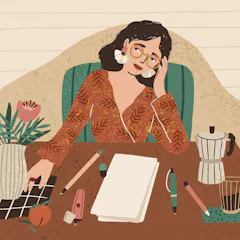
Creative work can be exciting and rewarding, but it also requires a lot of energy and stamina.

Activists can face a lot of stress and even burnout campaigning for the causes they care about. Showing themselves self-compassion can help them deal with that stress.

Despite being a central concept in the digital age, mental workload remains difficult to define and study in real-life situations.

Mental health for teachers carries critical benefits for students.

Unique factors contribute to burnout in Australia’s arts and culture sector. Preventing burnout will require long-term, sector-wide commitments.

Start by categorising tasks. Are they urgent and important, important but not urgent, urgent but not important or neither urgent nor important?

The COVID pandemic has exacerbated staff shortages in health care. We need to think about how we can better retain staff in this sector.
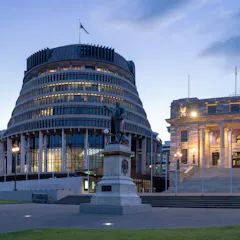
Having interviewed advisers to past and present prime ministers in Australia, Britain, Canada and New Zealand, my new research shows how crucial it is to recruit and train staff – before an election.

Many Canadians are still feeling burned out at work. Companies can help by being more accommodating of their workers’ needs and addressing some of the root causes of burnout.

New research from Swinburne University suggests the four-day work week really can be win-win for workers and bosses.

There are four signs of parental burnout and four positive things parents can do to take care of themselves as well as their kids.
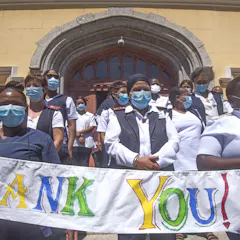
COVID-19 and responses to the pandemic have increased our attention on how individuals and systems cope with stress-inducing shocks.
Our review explored what leads to early childhood educator burnout in 13 countries, including Australia.

Junior doctors face immense pressure at work – and a growing number are choosing to leave the NHS as a result of these poor working conditions.

While employee resilience seems appealing — especially in the current uncertain and unpredictable time we are living in — overusing it can actually jeopardize an organization’s effectiveness.
Top contributors
-

Director, Field Experience (Community-Based), Werklund School of Education, University of Calgary
-
Scientia Professor of Psychiatry, UNSW
-
Professor of Management, Deakin University
-
Clinical Psychologist, Te Herenga Waka — Victoria University of Wellington
-
RBC Professor in Responsible Organizations and Full Professor, Concordia University
-
Lecturer in Health, The Open University
-
Associate Professor, Family Medicine, Queen's University, Ontario
-
Associate professor of edcuational leadershiop and policy analysis, University of Missouri-Columbia
-
Professor of Education and 21st Century Endowed Chair in Teacher Quality, University of Arkansas
-
Assistant Professor of Education, Temple University
-
Associate Director of the Office for Education Policy, University of Arkansas
-
Postdoctoral Fellow, Saint Louis University
-
Associate Professor of Special Education, Boston University
-
Professor in Occupational & Organisational Psychology, Northumbria University, Newcastle
-
Business psychologist, Lancaster University