

The resignation of the director-general of health and two of his deputies highlights the risk of burnout during the pandemic. What can employers do to help overwhelmed workers?
Articles on Burnout
Displaying 81 - 100 of 130 articles
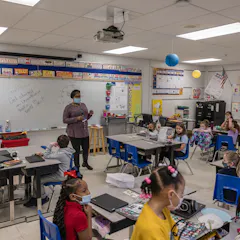
Despite signals of increased turnover, the past two years have not experienced mass departures from the teaching profession.

Making daily time to connect with their children is an important way of nurturing family experiences and relationships and to find restoration.

Devotion to work can lead to burnout.
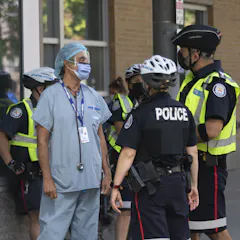
Although demanding, disruptive and violent patients are a major contributor to physician burnout, solutions to address this increasing problem are not a priority.

The science of stress explains why parenting during the pandemic feels so hard. Here are strategies from psychologists for taking back control when you dread yet another challenging day ahead.

The health care system is hemorrhaging medical lab workers, in part because of COVID-19 infections and also because of burnout, low wages and better opportunities elsewhere.

Workplaces, in addition to providing critical organizational resources, can encourage employees to undertake a voluntary workplace well-being streak, or employees can commit to their own.

Research shows that people with more flow in their lives had a higher sense of well-being during the COVID-19 pandemic. Scientists are beginning to explore what happens in the brain during flow.

Elite employers have created an atmosphere where workers constantly seek to be as busy as possible. Families are often the first casualty of this culture.
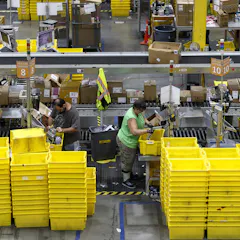
Black Friday, Christmas, and other ‘shopping events’ take a toll on the temporary workers hired to get purchases to consumers.

The quality of grit – passion and sustained persistence – is a useful predictor of burnout and exhaustion for doctors and maybe the rest of us too.

Long-term solutions to the nursing shortage call for changes that value nurses and offer them a safe place to work.

Health concerns, being older than 55 and having to switch to online or hybrid lessons were all factors that made some teachers want to quit or retire.
Lockdowns can exacerbate existing mental illness, but people without a history of mental illness can also find themselves feeling low, unmotivated and lacking a sense of purpose.
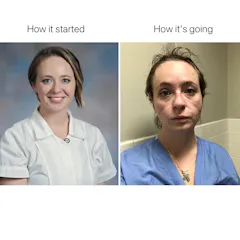
Rates of burnout have increased alarmingly among health-care workers during the pandemic. Unless the system provides more support to its already depleted workforce, staff shortages may get worse.

Nurses and healthcare workers will need more support in the longer term to deal with the considerable effect COVID-19 has had on mental health and wellbeing.

Feeling exhausted, unable to concentrate and wanting to withdraw and disconnect from the world and those around you? You could be heading towards burnout.
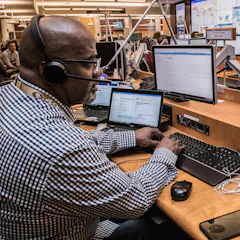
Burnout as the result of workplace stress has big implications for employers. Occupational health and safety standards require employers to protect both the physical and mental health of workers.

Provider burnout is expensive for the health system given its associations with low quality of care, absenteeism, and high workforce turnover.
Top contributors
-

Director, Field Experience (Community-Based), Werklund School of Education, University of Calgary
-
Scientia Professor of Psychiatry, UNSW
-
Professor of Management, Deakin University
-
Clinical Psychologist, Te Herenga Waka — Victoria University of Wellington
-
RBC Professor in Responsible Organizations and Full Professor, Concordia University
-
Lecturer in Health, The Open University
-
Associate Professor, Family Medicine, Queen's University, Ontario
-
Associate professor of edcuational leadershiop and policy analysis, University of Missouri-Columbia
-
Professor of Education and 21st Century Endowed Chair in Teacher Quality, University of Arkansas
-
Assistant Professor of Education, Temple University
-
Associate Director of the Office for Education Policy, University of Arkansas
-
Postdoctoral Fellow, Saint Louis University
-
Associate Professor of Special Education, Boston University
-
Professor in Occupational & Organisational Psychology, Northumbria University, Newcastle
-
Business psychologist, Lancaster University