
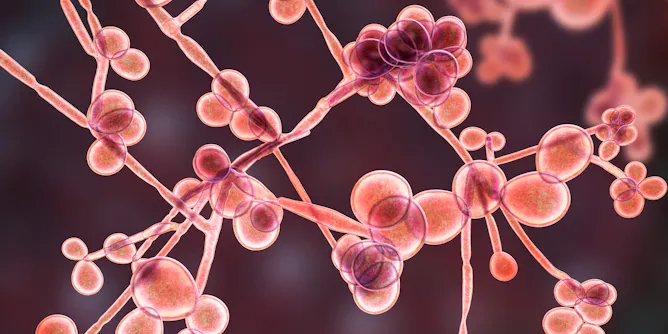
Candida auris is a fungus which breeds most commonly in health-care settings. It’s cause for concern because it’s hard to detect, and is resistant to many anti-fungal drugs.
Articles on Antibiotic resistance
Displaying 121 - 140 of 228 articles
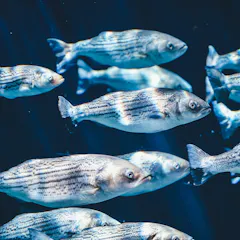
As antibiotic resistance increases globally, the heat is on to find new alternatives to treat infections. Chemists can get a head start by looking at compounds produced in nature by fishes’ microbes.

Feeding pigs seaweed could make them, us and the planet healthier without contributing to antibiotic resistance in bacteria.
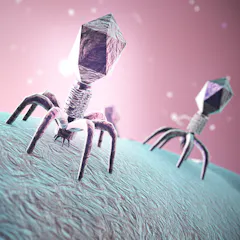
Bacteria are becoming resistant to even the most powerful antibiotics. These expensive, hard-to-treat infections are prompting physicians to reassess using viruses to destroy bacteria.

Antibiotic resistance is common in bacteria where there’s a large human population and poor sanitation. For the first time however, it’s been found in the remote Arctic.

Our bodies have a set of defenses that are finely tuned for killing invading microbes. With rising cases of drug-resistant bacteria, maybe boosting our natural defenses is the best medicine.
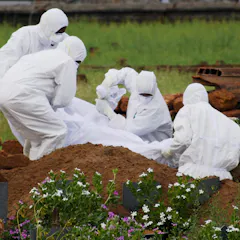
As new viruses “jump” from wildlife to humans and we struggle with antimicrobial resistance and even climate change, a new interdisciplinary approach to human health might just save the day.

The overuse of antibiotics puts vulnerable patients and society at risk.
The end of effective antibiotics will be frightening. Life expectancy will fall dramatically and people of all ages will die from illnesses that we are used to treating with $10 worth of pills.

Millions of bacteria live on our skin without making us sick. It’s when they manage to get through that they can be dangerous – particularly if they’re resistant to antibiotics.
Smooth surfaces often provide nooks and crannies for bacteria to hold onto and create a colony. New research with nanoparticles is revealing the secrets of surfaces that prevent bacterial attachment.

Our view of this essential dimension of earth’s biome has been shaped by the manufacturers of cleaning products.
Antibiotic resistance is a major and growing global health threat. These five recent examples show us how dangerous it can be.

It’s not a matter of if, but when, the next deadly pandemic will strike. Will the world be ready?

Farm animals are the subject of WHO initiatives around antibiotics, but domestic pets could actually be a bigger risk.
Triclosan, an ingredient in soap and many household cleansers, has gained a bad reputation. A recent study looking for a way to boost an antibiotic, however, found that tricloscan did a great job.
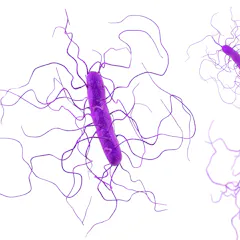
A new type of antibiotic uses DNA to fight a common deadly microbe, Clostridium difficile. These new drugs are inexpensive and adaptable and can be modified to target any bacterium, lowering the chance of drug resistance.
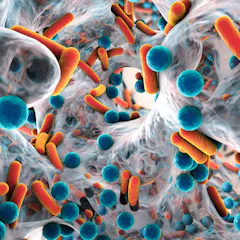
The discovery of molecular rules that regulate the transfer of genetic material between bacteria could help prevent the spread of antibiotic resistance.

The use of antibiotics in raising livestock is complex. We could be moving towards a less-than-ideal result due to poor understanding, over-simplistic messaging and a rush for competitive advantage.

Antibiotic-munching microbes may prove useful for mopping up contaminated water supplies and land.
Top contributors
-

Senior Lecturer, Medical Microbiology, University of Westminster
-
Senior Research Fellow, School of Medicine, The University of Western Australia
-
Professor of Biocchemistry and Biomedical Sciences, McMaster University
-
Dean of the College of Science, Professor of Biochemistry, Rochester Institute of Technology
-
Professor, The University of Queensland
-
Senior Lecturer in Microbiology, Aston University
-
Professor of Infectious Diseases, Monash University
-
Director Of Medicine, The Maitland and Kurri Kurri Hospital, University of Newcastle
-
Visiting Research Fellow, History of Biomedical Sciences, University of Cambridge
-
Professor of Public Health, Bond University
-
Research Fellow in Microbiology, University of Glasgow
-
Professor, The Peter Doherty Institute for Infection and Immunity
-
Clinical Lecturer and GP, University of Oxford
-
South African Research Chair in Antibiotic Resistance and Professor in Pharmaceutical Sciences, University of KwaZulu-Natal
-
Professor at ANU Medical School; Senior Staff Specialist Infectious Diseases; General Physician, Australian National University