

As a post-antibiotic future beckons, how can humanity protect itself against the proliferation of superbugs? Research suggests ‘drug sanctuaries’ in hospitals could be a promising solution.
Articles on Antibiotic resistance
Displaying 141 - 160 of 228 articles

New research shows just 1% of E. coli bacteria’s genetic mutations are lethal.
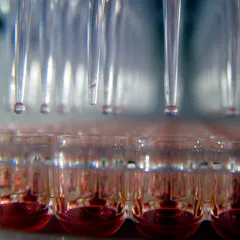
Pharmaceutical companies focus on small molecules they’ve devised – and can easily patent. But nature’s already come up with many antibacterial compounds that drug designers could use to make medicines.

Ants produce their own antimicrobial chemicals to fight bacteria.

Antimicrobial stewardship is proving effective, but we’re not fully across what is happening.

Researchers are using epigenetics to find ways to ‘turn off’ bacteria’s ability to cause infections.

Improper use of antibiotics is one reason for the rise in antibiotic resistance, but new research shows that ingredients in common weed killers can also cause bacteria to become less susceptible.

We know overuse and inappropriate use of antibiotics contribute to resistance, so it’s important we develop strategies to improve practice.

Speaking with: Dr. John Gerrard on infectious diseases
The Conversation, CC BY-ND23.2 MB (download)
William Isdale speaks to Dr. John Gerrard about the constant threat of infectious diseases and what we can do to prevent a deadly pandemic from establishing itself in Australia.

Promising scientific consensus is a perilous principle on which to found meaningful engagement between experts and the public.

New reports that stopping antibiotics when you feel better is better for you could do more harm than good. But it has reopened the debate on how long antibiotics should be used.

We’ve been told for a long time that we must take all of our antibiotics. But maybe we didn’t need so many to begin with. Here’s why.
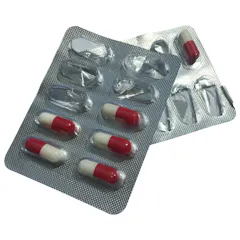
An article in a leading health journal causes confusion and undoes years of hard work in raising awareness of antibiotic resistance.
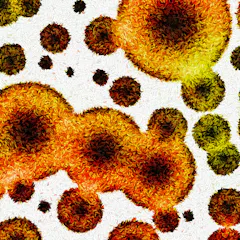
In the last decade we’ve seen a ten-fold increase in the number of bacteria resistant to last-resort antibiotics.

A study that shows GPs are prescribing about five million too many antibiotic scripts a year means we have to take a radical new approach to reducing use of these drugs.

As the WHO calls for urgency to address antibiotic resistance in gonorrhoea, new research shows that a vaccine developed against an unrelated disease offers protection.

For most of the twentieth century, we were at war with microbes, leading to substantial changes in our body’s ecosystem. This has changed our diets, disease profile, moods and even personalities.

Despite significant medical advances, rates of sexually transmitted infections are on the rise, including some old foes like syphilis.

Globalised drug manufacturing is adding to the problem of antimicrobial resistance.

Both GPs and patients need to wake up to the immediate risk that antibiotic misuse poses.
Top contributors
-

Senior Lecturer, Medical Microbiology, University of Westminster
-
Senior Research Fellow, School of Medicine, The University of Western Australia
-
Professor of Biocchemistry and Biomedical Sciences, McMaster University
-
Dean of the College of Science, Professor of Biochemistry, Rochester Institute of Technology
-
Professor, The University of Queensland
-
Senior Lecturer in Microbiology, Aston University
-
Professor of Infectious Diseases, Monash University
-
Director Of Medicine, The Maitland and Kurri Kurri Hospital, University of Newcastle
-
Visiting Research Fellow, History of Biomedical Sciences, University of Cambridge
-
Professor of Public Health, Bond University
-
Research Fellow in Microbiology, University of Glasgow
-
Professor, The Peter Doherty Institute for Infection and Immunity
-
Clinical Lecturer and GP, University of Oxford
-
South African Research Chair in Antibiotic Resistance and Professor in Pharmaceutical Sciences, University of KwaZulu-Natal
-
Professor at ANU Medical School; Senior Staff Specialist Infectious Diseases; General Physician, Australian National University