

Scientists discover why antibiotics make life-threatening fungal infections such as invasive candidiasis more probable.
Articles on Antibiotic resistance
Displaying 61 - 80 of 228 articles

Antimicrobial resistance disproportionately affects the world’s poorest and most vulnerable populations in low- and middle-income countries.
Canada lags behind other developed countries in access to newer antimicrobials. Here’s why that matters, and what can be done about it.

Latest numbers show antimicrobial resistant infections contributed to 4.95 millions deaths globally in 2019.

The probiotic decreases the presence of pathogens in the animal’s gut and can be used safely on a daily basis.

After a nose swab tests positive for a virus or bacteria, scientists can use the sample’s genetic sequence to figure out where and when the pathogen emerged and how fast it’s changing.

The quest to find treatment for COVID-19, and the uncertainty surrounding the clinical outcome, necessitates the use of antibiotics in the treatment package.
Antimicrobial resistance kills around 700,000 people worldwide annually. It is a top-ten global health threat.
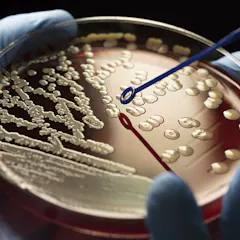
If no action is taken to address antibiotic resistance, infections from multidrug-resistant bacteria could cause 10 million deaths each year by 2050.
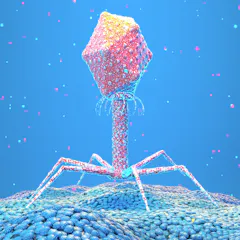
Viruses have gotten a bad rap for the many illnesses and pandemics they’ve caused. But viruses are also genetic innovators – and possibly the pioneers of using DNA as the genetic blueprint of life.
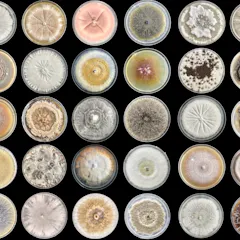
Penicillin originally came from a fungus, and with thousands of fungi to explore, Aotearoa New Zealand has a potential treasure trove of bacteria-killing compounds.
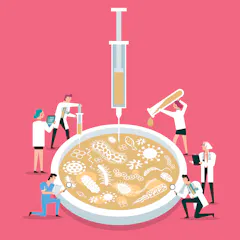
Antibiotic resistance is one of the biggest public health threats in the world. New research, however, may have found a way to keep up with rapidly evolving bacteria.
With nurse prescribing expanding globally, it’s important they are properly guided and supported when it comes to antibiotics and managing patient expectations.
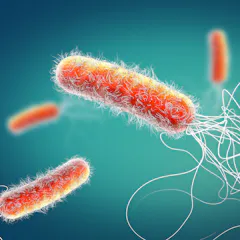
Observing the progression of an infection in real-time allows us to better understand how antibiotic resistance develops.
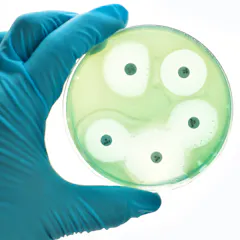
A genetic trick called an integron plays an important role in helping bacteria do this.

Our study found that the bacteria which causes diphtheria is rapidly changing.
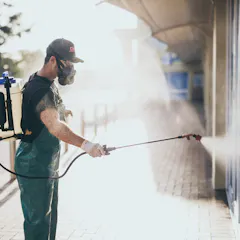
The increased use of disinfectants could allow for the development of bacterial strains which are resistant to disinfectants.
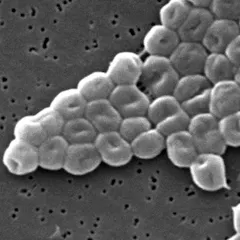
We found a new way to revert antibiotic resistance. It involves using phage therapy to resensitise a type of bacteria to antibiotics.
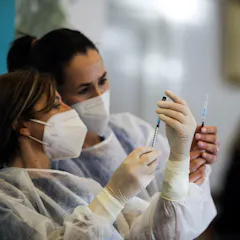
How resistance to drugs originates, and why it’s different for vaccines.

Antibiotic-resistant bacteria is one of the greatest threats to public health. The bacteria are so pervasive, they’re spilling over to penguins, sea lions, wallabies and more.
Top contributors
-

Senior Lecturer, Medical Microbiology, University of Westminster
-
Senior Research Fellow, School of Medicine, The University of Western Australia
-
Professor of Biocchemistry and Biomedical Sciences, McMaster University
-
Dean of the College of Science, Professor of Biochemistry, Rochester Institute of Technology
-
Professor, The University of Queensland
-
Senior Lecturer in Microbiology, Aston University
-
Professor of Infectious Diseases, Monash University
-
Director Of Medicine, The Maitland and Kurri Kurri Hospital, University of Newcastle
-
Visiting Research Fellow, History of Biomedical Sciences, University of Cambridge
-
Professor of Public Health, Bond University
-
Research Fellow in Microbiology, University of Glasgow
-
Professor, The Peter Doherty Institute for Infection and Immunity
-
Clinical Lecturer and GP, University of Oxford
-
South African Research Chair in Antibiotic Resistance and Professor in Pharmaceutical Sciences, University of KwaZulu-Natal
-
Professor at ANU Medical School; Senior Staff Specialist Infectious Diseases; General Physician, Australian National University