

Bacteria make a survival gamble when they devote all their energy to forming spores. Evolution is quick to get rid of this function, and researchers did the accounting to understand why.
Articles on Bacteria
Displaying 1 - 20 of 458 articles

Decades of pollution at Pittsburgh brownfields left bacteria that evolved to survive it – and maybe help clean up contaminated soil.

Bacteria have transformed some viruses — now called gene-transfer agents — into a means of exchanging genetic material among themselves.

Bacteria use strategies similar to artificial neural networks to use the past to adapt to the future.
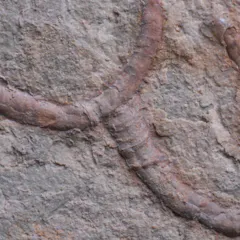
A sulfur-oxidizing bacteria may have turned a hostile environment into an ecological opportunity for the ancient conotubus organism.

From eggs and jalapenos to dog food, granola and pet turtles – it seems like you can catch a Salmonella infection from just about anything these days.

For some illnesses, shorter courses of antibiotics work just as well as longer ones, but researchers are still working out the ideal timescales for many infections – and it may not line up with when you feel better.
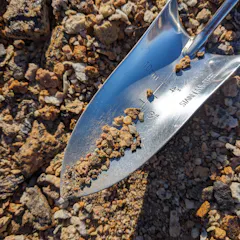
Existence is hard in the frozen Antarctic soil – and microbes use ‘horizontal gene transfer’ to share the tools that keep them alive.
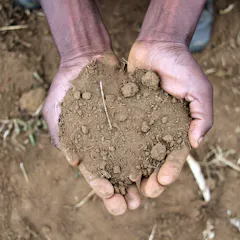
Microbial ecology helps explain how ecosystems respond to environmental pressures.

Warmer ocean waters are fueling the spread of the bacteria Vibrio vulnificus. Infections can lead to a rare but fatal condition called necrotizing fasciitis.
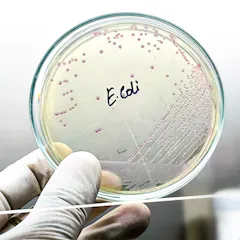
AI helped design a working virus that kills bacteria. Researchers explain what it could mean for the fight against antibiotic resistance.

Heat stroke doesn’t just overheat the body. It unleashes an inflammatory chain reaction that can damage organs even after the temperature returns to normal.

Don’t trust your nose – your kitchen sponge could be crawling with salmonella.
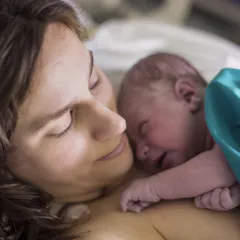
Researchers are getting to the bottom of how poo helps newborn babies. It might sound gross, but here’s the science.

An expert answers questions on superbugs, from overuse in farming to whether resistance is really an unwinnable arms race.
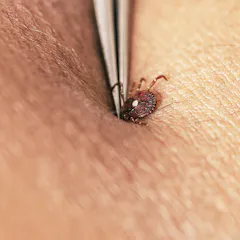
A tick disease researcher explains the risks and how she avoids bringing home ticks from both work and walking her dog in the woods. Lint rollers, tick checks and some types of chemicals play a role.
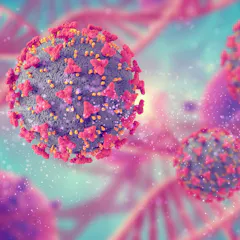
Researchers are working to engineer bacteria that can kill cancerous tumours while reducing harm to healthy cells and tissue.

The gut microbiome can aid sleep, but good sleep can also protect the but microbiome.

Remote Indigenous communities are bearing the brunt of the latest diphtheria outbreak. Inadequate housing may be one reason why.
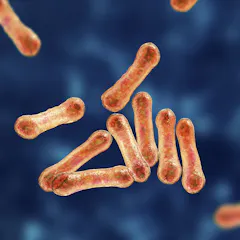
Since January, Australia has recorded more than 220 diphtheria cases. Experts say waning vaccination rates are contributing to this historic outbreak.
Top contributors
-

Senior Lecturer in Clinical Microbiology, University of Leicester
-
Professor of Biological Sciences, University of Maryland, Baltimore County
-
Senior Lecturer, Medical Microbiology, University of Westminster
-
Senior Lecturer in Pharmaceutical Sciences, RMIT University
-
Senior Research Fellow, School of Medicine, The University of Western Australia
-
Professor, Microbiology, Monash University
-
Professor, The University of Queensland
-
Senior Lecturer in Biology, Brunel University of London
-
Research Associate in Microbiology, University of Guelph
-
Associate Professor and Clinical Academic Gastroenterologist, Western Sydney University
-
Professor of Food Science, Clemson University
-
Professor of Infectious Diseases and Microbiology, Australian National University
-
Lecturer in Microbiology, Cardiff Metropolitan University
-
Professor of Microbiology, Swinburne University of Technology
-
Prof. Institute for Molecular Bioscience, The University of Queensland