

For some illnesses, shorter courses of antibiotics work just as well as longer ones, but researchers are still working out the ideal timescales for many infections – and it may not line up with when you feel better.
Articles on Penicillin
Displaying 1 - 20 of 26 articles
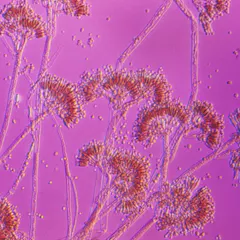
As many as 1 in 5 Americans believe they have a penicillin allergy, but just a tiny fraction actually do. In recent years, it’s gotten a lot easier to find out.

Since the 1980s very few antibiotics have been approved. One of the reasons is that there is not enough investment in the sector.

Keeping wounds clean and infection free has challenged people for thousands of years.

Zosurabalpin is highly effective against dangerous bacterium Crab, which can kill up to 60% of people infected with it.

Up to 20% of Australians admitted in hospital say they have a penicillin allergy. But not everyone who thinks they’re allergic to penicillin actually is.

Antibiotics have been around for less than a century. But as resistant bacteria become increasingly difficult to treat, we risk a greater number of deaths from infections.
The limitless world of chemistry and how researchers investigate it.

Around 90% of people who have been incorrectly told by their doctor that they are allergic to penicillin.
From cancer immunotherapy and antibiotics to GMO crops and pandemic surveillance, gain of function is a cornerstone of basic research.

While ‘The Last of Us’ is a dramatic projection of a deadly fungal outbreak, it is based, if not in reality, in logic. And it’s a reminder that fungal infections are growing more resistant.

Bacterial infections are a growing global challenge. This is due to antibiotic-resistant bacteria, and researchers are turning to AI to develop new drugs.

These shortages are a result of rising demand and supply chain bottlenecks. But there are things that can be done to reduce harms to public health.

With the dual threats of antibiotic resistance and emerging pandemics, finding new drugs becomes even more urgent. A trove of medicines may be lying under our nose.
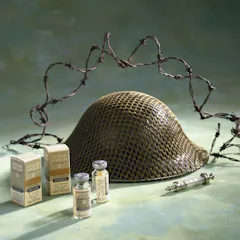
Albert Alexander was the first known person treated with penicillin. While his ultimately fatal case is well known in medical histories, the cause of his illness has been misattributed for decades.
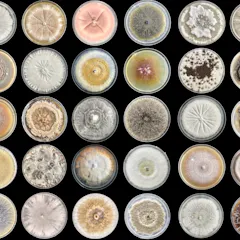
Penicillin originally came from a fungus, and with thousands of fungi to explore, Aotearoa New Zealand has a potential treasure trove of bacteria-killing compounds.
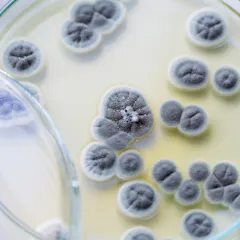
Science is rarely about an individual genius saving the day.
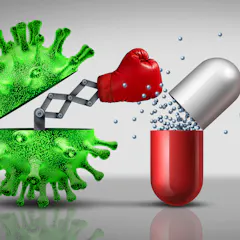
Resistance to antibiotics is not a new trait, and it is impossible to prevent. But it is possible to avoid its spread.

About 10% of people believe they’re allergic to penicillin. Only about 2% actually are.
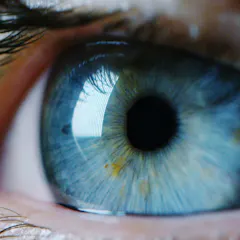
As ophthalmologists, we’ve noticed an uptick in cases of vision problems caused by syphilis. Practising safe sex is important for our eye health too.
Top contributors
-

Director Of Medicine, The Maitland and Kurri Kurri Hospital, University of Newcastle
-
Professor of Eye & Vision Health, Flinders University
-
Senior Lecturer in Functional Materials, Nottingham Trent University
-
Associate professor in Vertebrate Palaeontology, University of the Witwatersrand
-
Lecturer in Microbiology, Cardiff Metropolitan University
-
Professor of Biochemistry and Biomedical Sciences, McMaster University
-
Associate Professor of Ophthalmology, Universidade de São Paulo (USP)
-
Senior Lecturer in Operations Management, Department of Management Science, Lancaster University
-
Professor of Primary Care, University of Bristol
-
Postdoctoral fellow, UNSW
-
Professor of Infectious Diseases, Monash University
-
Clinical Immunologist & Allergist, Immunopathologist and Senior Lecturer, UNSW
-
Associate Professor of Microbiology and Immunology, Emory University
-
Associate professor, Physics, Concordia University
-
Chief Medical Officer at the Los Angeles County + University of Southern California Medical Center, Adjunct Professor of Medicine, University of Southern California