

The predictable Atlantic signal can improve researchers’ ability to anticipate changes in leishmaniasis transmission.
Articles on Public health
Displaying 1 - 20 of 2547 articles
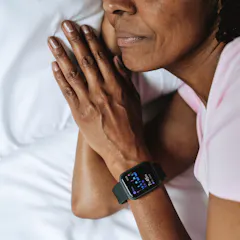
Can a sensor on your wrist really tell how your brain slept? Here’s what happens when sleep trackers go up against polysomnography, the clinical gold standard.
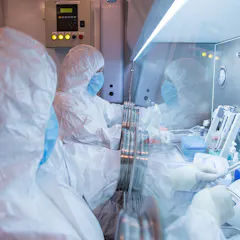
There are conflicting reports about what caused the death of a lab technician in a Russian plague research institute. Here’s what you need to know.
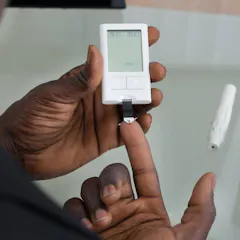
Diabetes is manageable. With timely support, people can lead long, healthy lives free from preventable complications.

Prediction markets are becoming mainstream, bringing gambling risks and a novel source of political information to public life.

Biokineticists can help identify NCD risk in rural communities, but gaps in referral pathways and public healthcare integration may limit access to follow-up care.

Delivery-only kitchens make up around 15% of outlets on major apps in England, yet only a quarter of surveyed consumers recognised the term.

People at the highest risk of severe COVID will still be eligible for free vaccines. Others may have to pay.
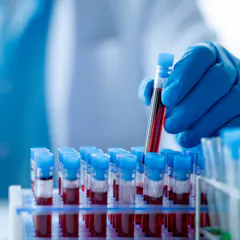
Residents near a Lancashire chemical plant have high Pfas levels in their blood. A decade of research shows what that can and can’t tell us.
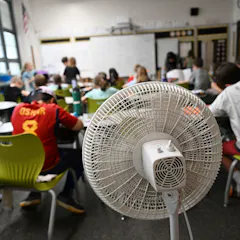
Mold spores, 90-degree classrooms and aging pipes: An environmental health expert explains why Pennsylvania’s old schools are harder on kids than adults.
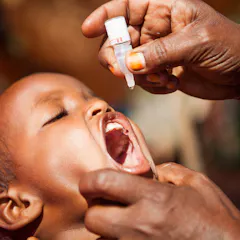
There are five priorities African countries must pursue to achieve vaccination success.

There’s been a late rise of influenza A, mostly due to the ‘super K’ strain.

Philadelphia has more fatal traffic accidents than other big US cities, and they’re concentrated in poor neighborhoods.

As alcohol licensing laws face change, new research suggests closing individual outlets can bring noticeable benefits for nearby residents.

Research on how heading to a museum could be good for the brain and general wellbeing suggests that culture fixes are an important resource for public health and social cohesion.

Social media platforms are the easiest place for a curious 16-year-old to find someone selling peptides.
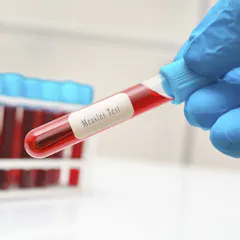
When state health departments, federal health agencies and medical societies diverge, how is an ordinary person supposed to know whom to trust?

A typical weekday in Denmark and the UK looks similar on the surface, but hour by hour, the differences tell an interesting story.

Drug companies are using women of colour and First Nations celebrities in weight-loss campaigns. Not everyone’s happy.

More than 15,000 families in Michigan have received cash support from Rx Kids. Participants say the program helps them pay bills and maintain their health.
Top contributors
-

Emeritus Professor in Public Health, University of Sydney
-
Dean Faculty of Health Sciences and Professor of Vaccinology at University of the Witwatersrand; and Director of the SAMRC Vaccines and Infectious Diseases Analytics Research Unit, University of the Witwatersrand
-
Principal Medical Scientist and Head of Laboratory for Antimalarial Resistance Monitoring and Malaria Operational Research, National Institute for Communicable Diseases
-
Professor of Global Biosecurity, NHMRC L3 Research Fellow, Head, Biosecurity Program, Kirby Institute, UNSW
-
Extraordinary Professor, Global Health, Stellenbosch University; South African Medical Research Council
-
Research Scientist, African Population and Health Research Center
-
Executive Secretary, Nigerian Academy of Science
-
Medical scientist, National Institute for Communicable Diseases
-
Professor and Programme Director, SA MRC Centre for Health Economics and Decision Science - PRICELESS SA (Priority Cost Effective Lessons in Systems Strengthening South Africa), University of the Witwatersrand
-
Professor in the faculty of Medicine, Mbarara University of Science and Technology
-
Distinguished Professor in the Department of Medicine and Director, The Centre for Medical Ethics & Law, Stellenbosch University
-
Professor of Public Health Policy, Deakin University
-
Associate Professor, Epidemiology, Deakin University
-
Fellow, Nigerian Academy of Science
-
Professor of medicine and deputy director of the Desmond Tutu HIV Centre at the Institute of Infectious Disease and Molecular Medicine, University of Cape Town