
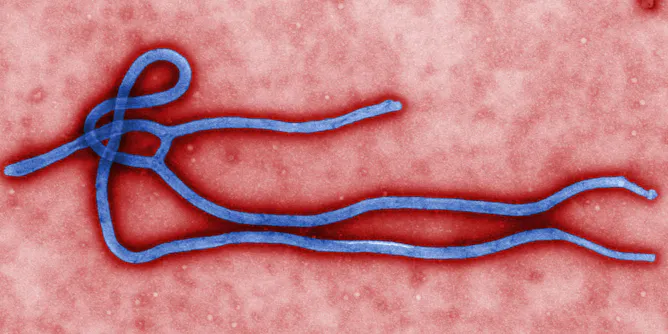
Bacteria have transformed some viruses — now called gene-transfer agents — into a means of exchanging genetic material among themselves.
Articles on Antibiotic resistance
Displaying 1 - 20 of 228 articles
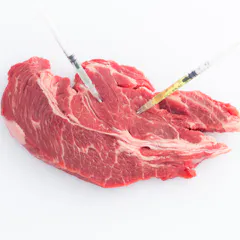
Antibiotic resistance is not only a hospital problem. Farming, food production and import standards also play a role.
For some illnesses, shorter courses of antibiotics work just as well as longer ones, but researchers are still working out the ideal timescales for many infections – and it may not line up with when you feel better.
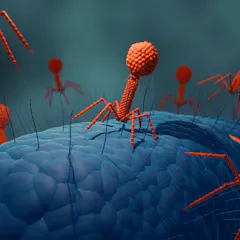
Researchers used AI to design working bacteriophages for the first time, raising questions about antibiotic resistance and biosecurity.
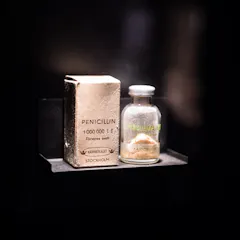
An expert answers questions on superbugs, from overuse in farming to whether resistance is really an unwinnable arms race.

Permafrost holds an extraordinary molecular record of ancient life — and we are only now learning to read it, just as warming begins to erase it.

When people harness the logic of natural selection, they can often find efficient and effective ways to solve complex problems.
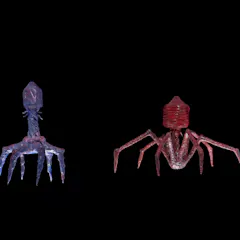
As antibiotic resistance grows, scientists are turning to bacteriophages, viruses that target harmful bacteria without wiping out beneficial microbes.
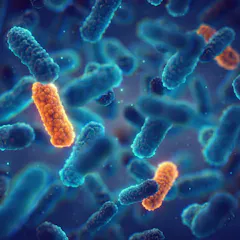
The drugs that transformed medicine are losing their power, raising fears of a post-antibiotic era in which common infections kill.

New research suggests drought-parched soil turbocharges antibiotic resistance in nature, and with UK summers getting drier, that’s a growing problem.

From MRSA to norovirus, hospital infections remain a global problem. Here’s what they are, how they spread, and how to reduce risk.
Many countries’ guidelines are unclear, lacking – or even nonexistent.
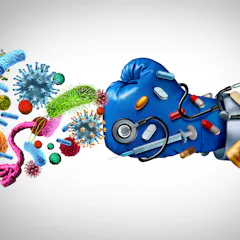
Antibiotics transformed health care for the better, but their diminishing effectiveness may soon be its undoing. Researchers are studying ways to fight back against resistance.

Poor sanitation, stress and disrupted diets can reshape gut bacteria in refugees, showing how social conditions can leave lasting biological effects.

The disinfectants we trust to protect us from microbes may also inadvertently help those microbes evolve to become more resistant to them.
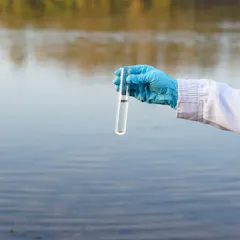
Every flush sends traces of our medicines into rivers. When antibiotics mix with common drugs like painkillers or hormones, bacteria can evolve to resist treatment.
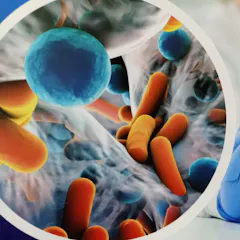
Most antibiotic resistance research comes from high-income countries but the greatest threats are elsewhere. This inequality is shaping the future of global health.
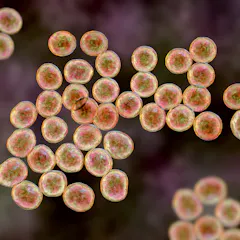
This is a significant scientific development, but several hurdles remain before we might see these antibiotics available for use.

There are numerous documented examples of antibiotic-resistant superbugs being passed from pet to person.
As many as 1 in 5 Americans believe they have a penicillin allergy, but just a tiny fraction actually do. In recent years, it’s gotten a lot easier to find out.
Top contributors
-

Senior Lecturer, Medical Microbiology, University of Westminster
-
Senior Research Fellow, School of Medicine, The University of Western Australia
-
Professor of Biocchemistry and Biomedical Sciences, McMaster University
-
Dean of the College of Science, Professor of Biochemistry, Rochester Institute of Technology
-
Professor, The University of Queensland
-
Senior Lecturer in Microbiology, Aston University
-
Professor of Infectious Diseases, Monash University
-
Director Of Medicine, The Maitland and Kurri Kurri Hospital, University of Newcastle
-
Visiting Research Fellow, History of Biomedical Sciences, University of Cambridge
-
Professor of Public Health, Bond University
-
Research Fellow in Microbiology, University of Glasgow
-
Professor, The Peter Doherty Institute for Infection and Immunity
-
Clinical Lecturer and GP, University of Oxford
-
South African Research Chair in Antibiotic Resistance and Professor in Pharmaceutical Sciences, University of KwaZulu-Natal
-
Professor at ANU Medical School; Senior Staff Specialist Infectious Diseases; General Physician, Australian National University