
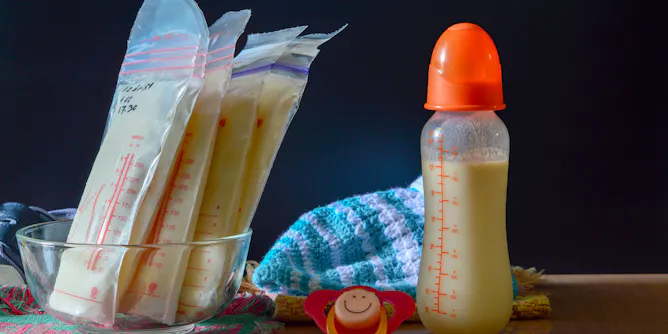
A compound in human breastmilk can reverse antibiotic resistance in bugs such as MRSA. Researchers hope we can soon start trialling it.
Articles on Antibiotic resistance
Displaying 161 - 180 of 228 articles
Resistance is growing but there are ways that hospitals – as well as the public – can stem the tide.

Lack of knowledge and perceived cost issues could be holding back the fight against the superbugs.
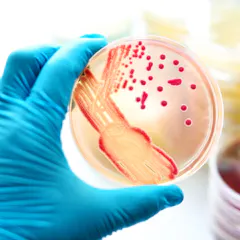
This research could provide an answer to some of the problems posed by antibiotic resistance.

Antibiotic resistance is a major health threat that causes almost 700,000 deaths a year, and its toll is expected to grow. Here are some things you can do to offer your own resistance.

The US Centers for Disease Control has reported a woman in her 70s has died of overwhelming sepsis caused by a bacterium that was resistant to all available antibiotics.
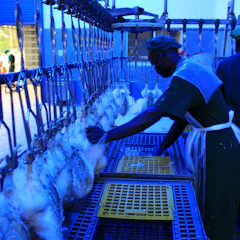
A global trend to regulate frequent antibiotic use in livestock and poultry production is emerging but Africa is still lagging behind.
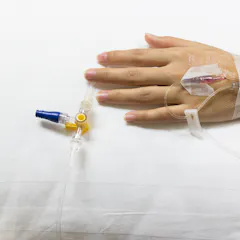
New research shows that the current strategy of ‘antibiotic mixing’ doesn’t work.

They may make you feel squeamish but maggots have some incredible medicinal benefits.

Health minister Sussan Ley said Australia’s use of antibiotics in general practice is 20% above the OECD average. Is that right?
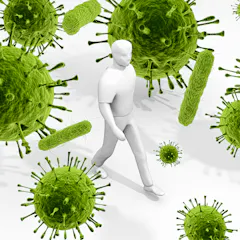
Long viewed simply as ‘germs,’ the hidden half of nature turns out to be crucial to the health of people and plants.

The federal government is tackling antimicrobial resistance with a ‘One Health’ approach. But what is One Health and what can it offer that other approaches haven’t?

Resistant bacteria enter our aging sewer infrastructure and may eventually end up in the environment through sewage spills.
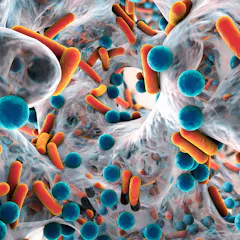
Poor testing methods and antibiotic use by GPs and urologists has left thousands of women with crippling infections.
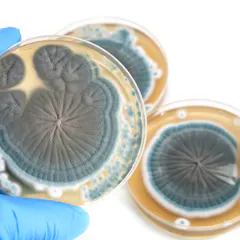
The serendipitous discovery of penicillin is a testament to the importance of observation.

It could yet become a powerful weapon in our medical arsenal.
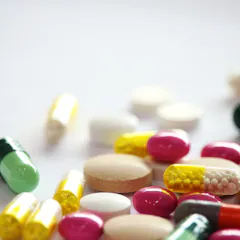
Irrational prescriptions are a major global health problem. The World Health Organisation estimates that more than half of all medicines are inappropriately prescribed, dispensed or sold.

Food-borne diseases will continue to thrive unless Africa’s meat inspection programmes are upgraded.
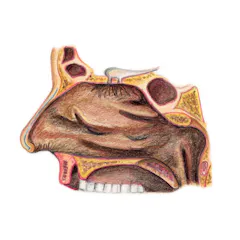
Alexander Fleming discovered penicillin in 1928 and revolutionised the treatment of bacterial infections. Ever since then we have been searching for new antibiotics.
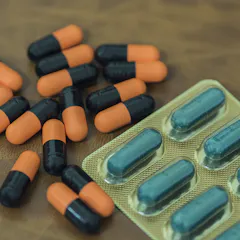
Doctors know that inappropriate prescribing can lead to antibiotic resistance. So why do they keep doing it?
Top contributors
-

Senior Lecturer, Medical Microbiology, University of Westminster
-
Senior Research Fellow, School of Medicine, The University of Western Australia
-
Professor of Biocchemistry and Biomedical Sciences, McMaster University
-
Dean of the College of Science, Professor of Biochemistry, Rochester Institute of Technology
-
Professor, The University of Queensland
-
Senior Lecturer in Microbiology, Aston University
-
Professor of Infectious Diseases, Monash University
-
Director Of Medicine, The Maitland and Kurri Kurri Hospital, University of Newcastle
-
Visiting Research Fellow, History of Biomedical Sciences, University of Cambridge
-
Professor of Public Health, Bond University
-
Research Fellow in Microbiology, University of Glasgow
-
Professor, The Peter Doherty Institute for Infection and Immunity
-
Clinical Lecturer and GP, University of Oxford
-
South African Research Chair in Antibiotic Resistance and Professor in Pharmaceutical Sciences, University of KwaZulu-Natal
-
Professor at ANU Medical School; Senior Staff Specialist Infectious Diseases; General Physician, Australian National University