

Some of the infections are showing an increased resistance to antibiotics.
Articles on Antibiotic-resistant bacteria
Displaying 1 - 20 of 22 articles
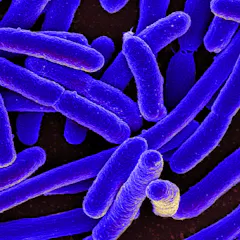
The Nobel Prize-winning Luria−Delbrück experiment showed that random mutations in bacteria can allow them to develop resistance by chance.

Keeping wounds clean and infection free has challenged people for thousands of years.

Zosurabalpin is highly effective against dangerous bacterium Crab, which can kill up to 60% of people infected with it.

Australia is one of the highest users of antibiotics in the developed world. So when do we actually need antibiotics to treat an infection? And when should we avoid them?

Developing new antibiotics is important in the fight against antibiotic resistance. But we also need to use the antibiotics we already have much more wisely – GPs play a major role in this.

Antibiotic resistance can affect anyone of any age.
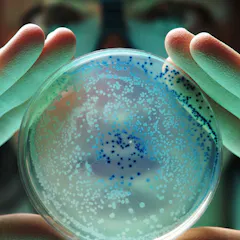
Researchers uncovered the foundations of biology by using E. coli as a model organism. But over-reliance on this microbe can lead to knowledge blind spots with implications for antibiotic resistance.
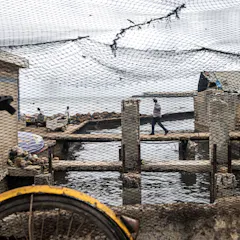
Wastewater treatment plants receive wastewater from a variety of sources. This makes them useful proxies for determining the burden of antimicrobial resistance in communities.

Antibiotic resistance has contributed to millions of deaths worldwide. Research suggests that any bacteria can develop antibiotic tolerance, and possibly resistance, when pushed to their limits.

Using a mathematical model, researchers found that good hygiene can reduce the harmful effects of antibiotic use.

Bacterial infections are a growing global challenge. This is due to antibiotic-resistant bacteria, and researchers are turning to AI to develop new drugs.

Nice recommends faecal transplants to treat antibiotic-resistant Clostridium difficile infections. The treatment has been used in the UK since 2013.

Most antibiotics work by killing bacteria. But this also helps them to become resistant. If we render bacteria harmless to us, rather than kill them, it’s a win-win.
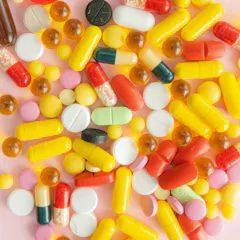
Canada lags behind other developed countries in access to newer antimicrobials. Here’s why that matters, and what can be done about it.

After a nose swab tests positive for a virus or bacteria, scientists can use the sample’s genetic sequence to figure out where and when the pathogen emerged and how fast it’s changing.
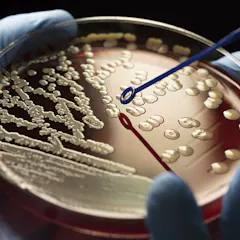
If no action is taken to address antibiotic resistance, infections from multidrug-resistant bacteria could cause 10 million deaths each year by 2050.
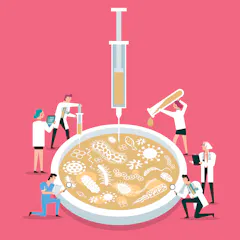
Antibiotic resistance is one of the biggest public health threats in the world. New research, however, may have found a way to keep up with rapidly evolving bacteria.
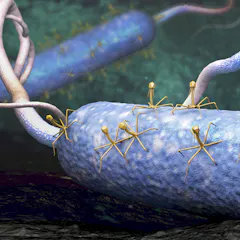
As the world has focused on the COVID-19 pandemic, other microbial foes are waging war on humans. Antibiotic-resistant bacteria pose a growing threat. But viruses may defeat them.
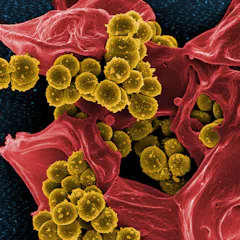
Antimicrobial resistance is a public health and economic disaster waiting to happen. If we do not address this threat, by 2050 more people will die from drug-resistant infections than from cancer.
Top contributors
-

Ph.D. Candidate in Microbiology, Cornell University
-
Associate professor, University of KwaZulu-Natal
-
Professor of Biocchemistry and Biomedical Sciences, McMaster University
-
Postdoctoral Fellow in Computational Evolution, ETH Zurich
-
Professor of Clinical Microbiome and Consultant Gastroenterologist, University of Birmingham
-
Postdoctoral Fellow in Computational Evolution, ETH Zurich
-
Lecturer in Microbiology, Cardiff Metropolitan University
-
Professor and Director, School of the Environment, University of Windsor
-
Associate Professor: Department of Biochemistry & Microbiology, University of Venda
-
Professor of Biostatistics, Texas A&M University
-
Executive Dean: Faculty of Science, Engineering and Agriculture, University of Venda
-
PhD candidate, University of Sydney
-
PhD Candidate in Chemical Engineering, University of Colorado Boulder
-
Professor of Infectious Disease, University of Wisconsin-Madison
-
Assistant Professor of Public Health, Bond University