
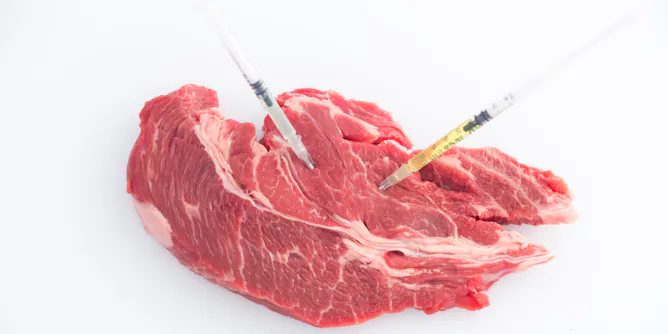
Antibiotic resistance is not only a hospital problem. Farming, food production and import standards also play a role.
Articles on Superbugs
Displaying 1 - 20 of 99 articles

An expert answers questions on superbugs, from overuse in farming to whether resistance is really an unwinnable arms race.

New research suggests drought-parched soil turbocharges antibiotic resistance in nature, and with UK summers getting drier, that’s a growing problem.

Intensive antibiotic use in farming has created the ideal conditions for resistant bacteria, viruses and fungi to develop.
This is a significant scientific development, but several hurdles remain before we might see these antibiotics available for use.

There are numerous documented examples of antibiotic-resistant superbugs being passed from pet to person.

We discovered how a plastic-eating enzyme made a germ more harmful.

Antimicrobial resistance is yet another catastrophic legacy of war, threatening human health and security for generations to come.

World leaders, civil society and global health researchers will convene at the United Nations General Assembly for arguably the most important meeting on antimicrobial resistance (AMR) this decade.

Personalized medicine is a promising treatment for recurrent cancer and superbugs, but it is labour-intensive and expensive, and pathways for its regulatory approval and reimbursement are complicated.

Zosurabalpin is highly effective against dangerous bacterium Crab, which can kill up to 60% of people infected with it.

The contrasting realities of antimicrobial resistance between high-income countries and low- and middle-income countries demands international co-operation to effectively fight superbugs.

Developing new antibiotics is important in the fight against antibiotic resistance. But we also need to use the antibiotics we already have much more wisely – GPs play a major role in this.
Antimicrobial resistance is an epidemic that kills close to 5 million people annually. The solutions are complex and must take into account the needs of the poor.

Researchers are desperately seeking viable alternatives to antibiotics. So what is phage therapy? And how could it help?

Scientists are racing to discover new antibiotics that can defeat these drug-resistant superbugs. So how is the newly developed antibiotic clovibactin different?

Up to 20% of Australians admitted in hospital say they have a penicillin allergy. But not everyone who thinks they’re allergic to penicillin actually is.
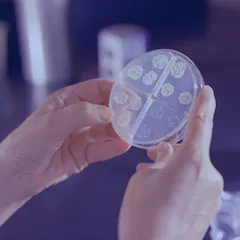
Resistance arises when bacteria are exposed to levels of antibiotics that don’t immediately kill them. Here’s how.

Hospitals are more risky than farms when it comes to the spread of the Klebsiella superbug.

Nice recommends faecal transplants to treat antibiotic-resistant Clostridium difficile infections. The treatment has been used in the UK since 2013.
Top contributors
-

Prof. Institute for Molecular Bioscience, The University of Queensland
-
Professor, The University of Queensland
-
Professor of Infectious Diseases and Microbiology, Australian National University
-
Professor of Nursing and Health Services Research, University of Newcastle
-
Infectious Diseases Physician, Senior Lecturer, James Cook University and, The University of Queensland
-
Professor of Infectious Diseases, Monash University
-
Professor at ANU Medical School; Senior Staff Specialist Infectious Diseases; General Physician, Australian National University
-
Senior Research Fellow, School of Medicine, The University of Western Australia
-
Research Fellow in Microbiology, University of Glasgow
-
Senior Lecturer, Medical Microbiology, University of Westminster
-
Professor of Molecular Evolution, Macquarie University
-
Professor, The Peter Doherty Institute for Infection and Immunity
-
Professor of Ecosystems Engineering, Newcastle University
-
Professor of Biocchemistry and Biomedical Sciences, McMaster University
-
Professor of Microbiology, University of Leicester