

Mozzies are causing Buruli ulcers in more parts of Australia. New research suggests a mosquito control can help reduce risks in future.
Articles on Bacterial infections
Displaying 1 - 20 of 68 articles

Warmer ocean waters are fueling the spread of the bacteria Vibrio vulnificus. Infections can lead to a rare but fatal condition called necrotizing fasciitis.

Cases of Buruli ulcer have been detected on the New South Wales south coast. Here’s how to protect yourself.

Poorly maintained AC units can harbour numerous infectious microbes.
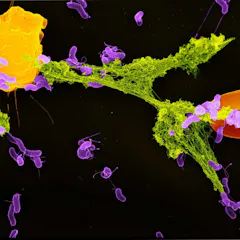
Not only do mitochondria serve as the engine of the cell – they also act as watchtowers for the immune system.

Meningococcal disease is a rare but life-threatening illness caused by the bacteria Neisseria meningitidis.

Rates of the bacterial infection have gone up by 500% since last year, with babies and young children most at risk.

Wearing goggles and ear plugs while swimming can help protect you from illness.

Sepsis causes 11 million deaths globally each year.
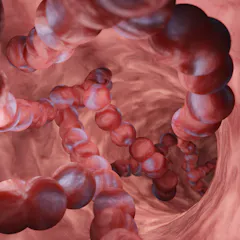
Streptococcal toxic shock syndrome is a rare but deadly condition triggered by the same bacteria that cause strep throat and tonsillitis.

Chronic UTIs come back repeatedly or never fully go away despite treatment.
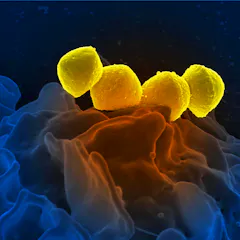
An increase in serious illnesses caused by group A Streptococcus has recently made Strep A a growing concern in Canada and elsewhere. Here’s why and how it’s spreading, and what symptoms to look for.

Australia is one of the highest users of antibiotics in the developed world. So when do we actually need antibiotics to treat an infection? And when should we avoid them?

We’ve all heard of antibiotic resistance. The same thing is happening with other causes of infections in humans: fungi, viruses and parasites. This is making thrush and other infections hard to treat.

Developing new antibiotics is important in the fight against antibiotic resistance. But we also need to use the antibiotics we already have much more wisely – GPs play a major role in this.

Up to 20% of Australians admitted in hospital say they have a penicillin allergy. But not everyone who thinks they’re allergic to penicillin actually is.
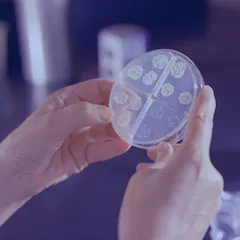
Resistance arises when bacteria are exposed to levels of antibiotics that don’t immediately kill them. Here’s how.

New research finds that 85% of formula preparation machines tested were dispensing water that did not appear to reach NHS recommended temperatures for preparing bottles of formula.
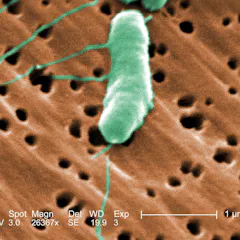
Warmer ocean waters are fueling the spread of the bacteria Vibrio vulnificus. Infections can lead to a rare but fatal condition called necrotizing fasciitis.

Animals, including the ones that live in our homes, can carry all kinds of illnesses. Most of the time it’s not a problem, but here’s what you should do to avoid getting sick.
Top contributors
-

Adjunct Associate Professor of Epidemiology, University of California, Los Angeles
-
Professor of Microbiology and Immunology, Indiana University
-
Senior Research Fellow, School of Medicine, The University of Western Australia
-
Senior Lecturer, Medical Microbiology, University of Westminster
-
Clinical Associate Professor, School of Medical Science & Sydney Infectious Diseases Institute; Principal Hospital Scientist, University of Sydney
-
(Formerly) Senior Research Specialist, Johns Hopkins University
-
Reader, Milner Centre for Evolution, Department of Biology & Biochemistry, University of Bath
-
Associate Professor and Clinical Academic Gastroenterologist, Western Sydney University
-
Professor of Infectious Diseases, Monash University
-
Research Assistant Professor of Immunology, Tufts University
-
Prof. Institute for Molecular Bioscience, The University of Queensland
-
Research Assistant in Pharmacy, University of Canberra, University of Canberra
-
Professor of Biological Sciences, Binghamton University, State University of New York
-
Team Lead, Healthy Skin and Acute Rheumatic Fever Prevention, The Kids Research Institute Australia
-
PhD Candidate, Department of Genetics and Genome Biology, University of Leicester