
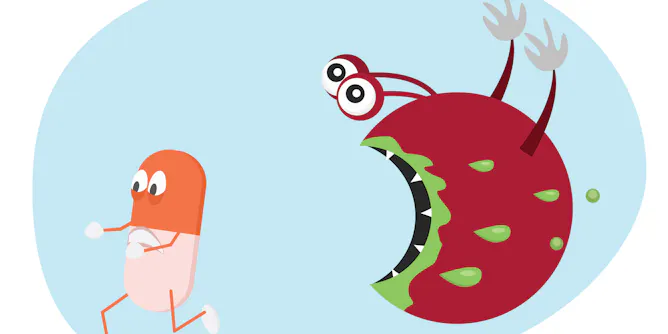
Antibiotic resistance happens when bacteria change in a way that prevents the antibiotic from working in its normal manner. There are several ways in which this can happen.
Articles on Antibiotic resistance
Displaying 181 - 200 of 228 articles
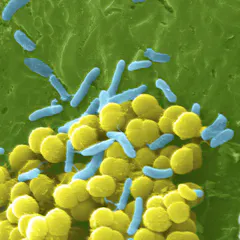
Panic has spread with the discovery of a bacterium in the United States that is resistant to the last bastions of antibiotic resistance.

When the hugging had to stop: life in a post-antibiotic era.
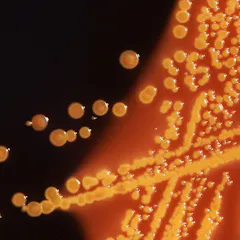
Here are highlights from The Conversation US’ coverage of antibiotics and how scientists are trying to combat resistant bacteria.
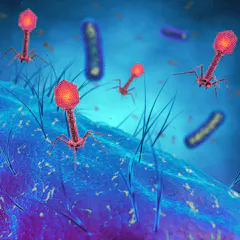
The virus that could cure antibiotic resistant infections.
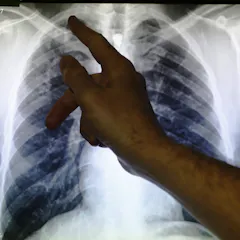
Many people in the U.S. have no idea that TB is still found here, or what a major health risk it poses in other parts of the world.
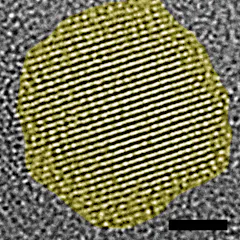
Quantum dots - minuscule semiconductor particles with specific light-absorption properties - can kill drug-resistant superbugs without harming the surrounding healthy tissue.
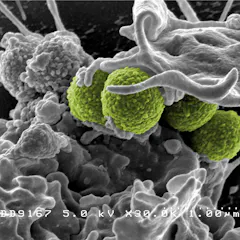
The evolutionary history of antibiotic resistance suggests it may be impossible to develop resistance-proof antibiotics so what are our other options?
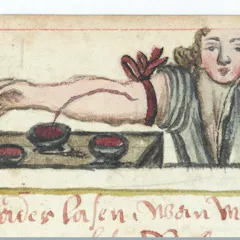
While some ancient therapies proved effective enough that they are still used in some form today, on the whole they just aren’t as good as modern antimicrobials at treating infections.

Doctors often tell patients to take a “course” of antibiotics, because a partially treated infection may result in relapse with antibiotic-resistant bacteria. But where this advice come from?
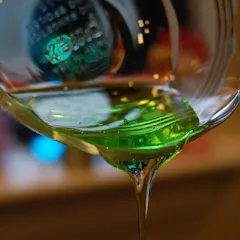
Bacteria are becoming increasingly resistant to antibiotics and we are approaching a time when there could be many bacteria resistant to all the antibiotics we have. So how do we stop over-using them?
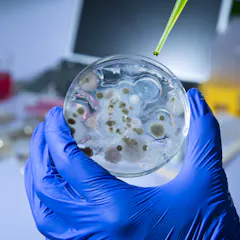
Researchers in China have found strains of E.coli that are resistant colistin, the antibiotic of last resort.
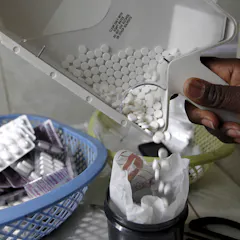
Antibiotics are used extensively in Africa because of the continent’s high disease burden. This also means that resistance is high. Steps are being taken to raise awareness and encourage prudent use.

Bacteria become problematic when an infection occurs and antibiotics that would have treated the infection are no longer effective.

Antibiotics can prevent serious harm and stop infections becoming fatal. But they won’t kill common cold and flu viruses, and careless overprescribing by doctors can do more harm than good.
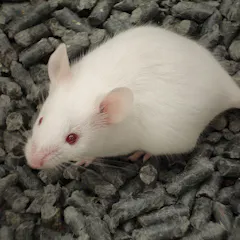
Two of the most common antibiotic-resistant bacteria circulating in hospitals can be wiped out by transplanting faeces from a healthy animal into the gut of an infected one, a study on mice has found.
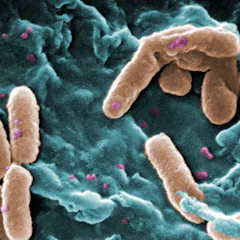
We used to think that antibiotic resistance came at a cost for bacteria, making them weaker. It turns out that for some bacteria, resistance can make them stronger and more virulent.
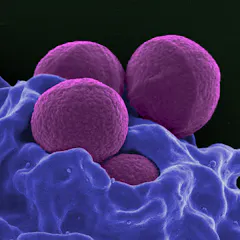
Antibiotic resistance is pressing issue in medicine but the extensive use of antibiotics in farming is part of the problem.

Bacteria qualify as “superbugs” when there are no or few remaining effective antibiotics to kill them.

Superbugs are back in the news – and everybody loves a good germ panic story.
Top contributors
-

Senior Lecturer, Medical Microbiology, University of Westminster
-
Senior Research Fellow, School of Medicine, The University of Western Australia
-
Professor of Biocchemistry and Biomedical Sciences, McMaster University
-
Dean of the College of Science, Professor of Biochemistry, Rochester Institute of Technology
-
Professor, The University of Queensland
-
Senior Lecturer in Microbiology, Aston University
-
Professor of Infectious Diseases, Monash University
-
Director Of Medicine, The Maitland and Kurri Kurri Hospital, University of Newcastle
-
Visiting Research Fellow, History of Biomedical Sciences, University of Cambridge
-
Professor of Public Health, Bond University
-
Research Fellow in Microbiology, University of Glasgow
-
Professor, The Peter Doherty Institute for Infection and Immunity
-
Clinical Lecturer and GP, University of Oxford
-
South African Research Chair in Antibiotic Resistance and Professor in Pharmaceutical Sciences, University of KwaZulu-Natal
-
Professor at ANU Medical School; Senior Staff Specialist Infectious Diseases; General Physician, Australian National University