

Bacteria make a survival gamble when they devote all their energy to forming spores. Evolution is quick to get rid of this function, and researchers did the accounting to understand why.
Articles on Microbes
Displaying 1 - 20 of 221 articles

Bacteria use strategies similar to artificial neural networks to use the past to adapt to the future.
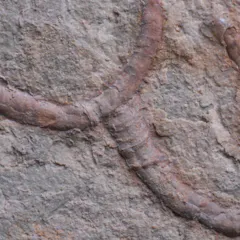
A sulfur-oxidizing bacteria may have turned a hostile environment into an ecological opportunity for the ancient conotubus organism.
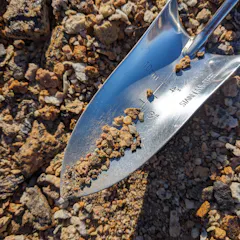
Existence is hard in the frozen Antarctic soil – and microbes use ‘horizontal gene transfer’ to share the tools that keep them alive.

A soil expert unpacks what this unconventional farming method is and how it works.
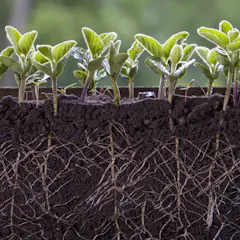
Too much fertilizer disrupts the hidden world of soil-dwelling microbes that were sustaining healthy crops long before synthetic fertilizer was invented.
Knowing which cancer tumours have their own microbiomes could lead to more personalised treatments.
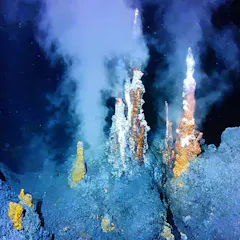
Deep oceans contain microbes with yet-to-be-discovered properties that could drive future innovations in biotechnology.
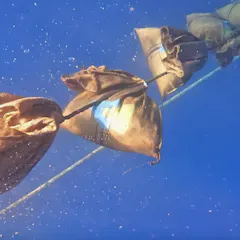
Ocean carbon removal is picking up, just as Microsoft pulls out as a major funder of carbon removal projects.
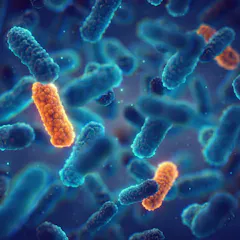
The drugs that transformed medicine are losing their power, raising fears of a post-antibiotic era in which common infections kill.

From bioweapons to biblical plagues, the bacteria that cause anthrax can persist for decades in harsh conditions and wreak havoc on people and cattle.
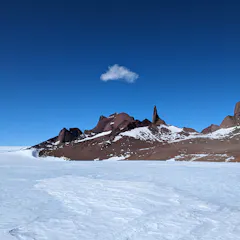
New study provides evidence that Antarctic microbes make energy from the air at temperatures as low as -20°C.
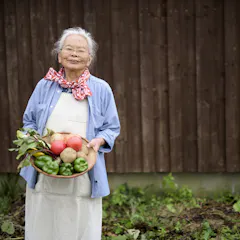
Certain lifestyle changes can help your gut microbiome help you age gracefully.
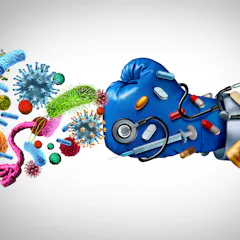
Antibiotics transformed health care for the better, but their diminishing effectiveness may soon be its undoing. Researchers are studying ways to fight back against resistance.

We already knew forests were heavy lifters in reducing climate pollution. New research reveals the tiny microbes in tree bark can also “eat” climate gases.

One study found socks contained the highest microbial count of any other once-worn clothing item.
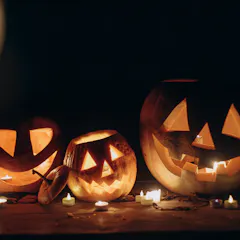
Halloween originated in Ireland, but the Irish used to carve turnips – not pumpkins.
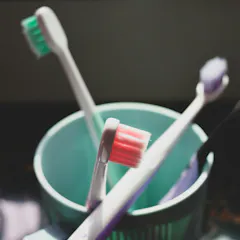
An infection control expert explains why sharing your razor, towel or toothbrush isn’t such a great idea.
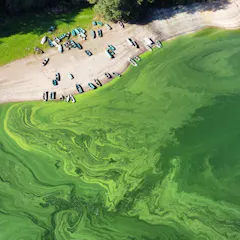
The small country of Luxembourg acts as a living laboratory where new water monitoring technologies can be tested at scale.
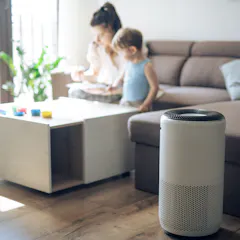
Manufacturers often make bold claims about how well these technologies work. Better testing would allow consumers and institutions to pick the most effective ones.
Top contributors
-

Senior Lecturer in Clinical Microbiology, University of Leicester
-
Professor of Planetary Geosciences, The Open University
-
Associate Professor, Department of Entomology; African-American Studies, University of Illinois Urbana-Champaign
-
Doctoral Candidate in Microbiology, University of Oregon
-
Professor of Microbiology and Immunology, Indiana University
-
Senior Lecturer in Biology, Brunel University of London
-
Ecologist and Researcher, Flinders University
-
Associate Professor of Gastroenterology, School of Medicine, University of Washington
-
Professor emeritus, Colorado State University
-
Assistant Professor of Animal and Veterinary Sciences, University of Maine
-
Professor of Microbiology, Swinburne University of Technology
-
Professor of Biochemistry and Biomedical Sciences, McMaster University
-
Professor of microbiology, Manchester Metropolitan University
-
Postdoctoral Research Fellow, Washington State University
-
Senior Lecturer in Pharmaceutical Sciences, RMIT University