
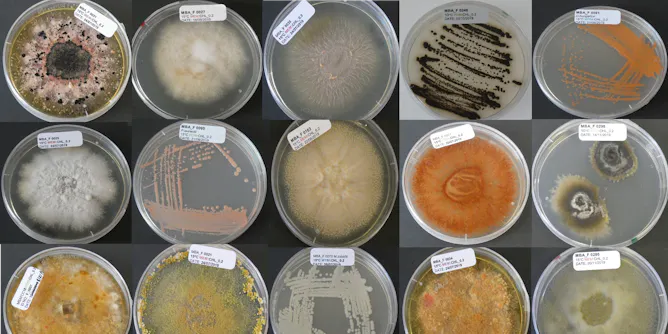
A culture collection of more than 500 fungal strains from seawater, sediments and seaweeds is helping scientists better understand marine fungi.
Articles on Oceans
Displaying 121 - 140 of 926 articles
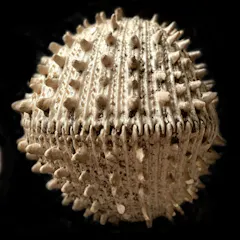
Not everything dies in a mass extinction. Sea life recovered in different and surprising ways after the asteroid strike 66 million years ago. Ancient fossils recorded it all.
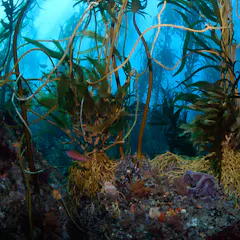
Half of Australia’s seas are protected. So why are marine species and ecosystems in freefall?
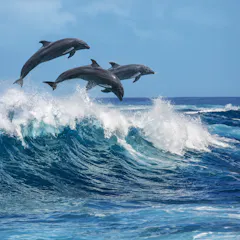
Ever seen images of dolphins jumping out of the waves and performing impressive acrobatics? Let’s explore why they do it.
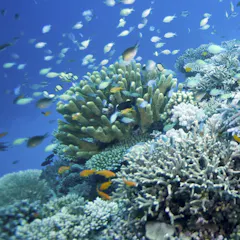
As baby corals float in the currents, they can expand their species’ range. But can they get to climate refuges fast enough to survive? A new study has good news and bad.

Researchers have found that one offshore mussel farm is boosting marine biodiversity and regenerating the seabed.
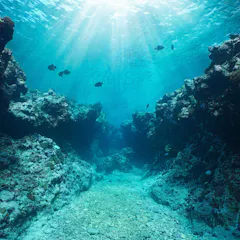
Computer modelling past ocean conditions can help predict the location and age of carbon-rich mud.
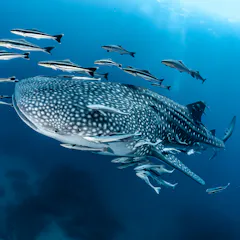
Almost 400 scientists from around the world came together to understand the movements of large marine mammals, using 30 years of satellite tracking data.
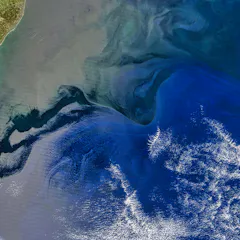
The United Nations Ocean Conference (UNOC 3) will open in Nice, France on June 9, 2025. Will it help to consolidate a new international law of the oceans?
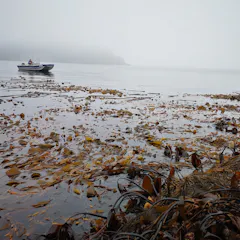
Highly productive kelp forests are being touted as a natural climate solution, but do we know enough to count them as such?
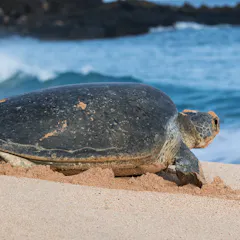
New research estimates that approximately 60 tonnes of plastic debris discarded in the ocean reside within female green turtles at any given time.
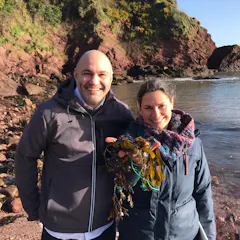
A chance encounter on a rocky seashore led one professor to invent autonomous robotics that can harvest the power of seaweed.
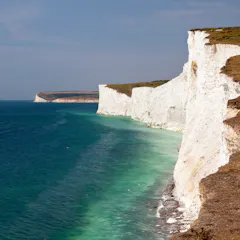
An ‘almost continuous’ marine heatwave state appears to be emerging around the UK.
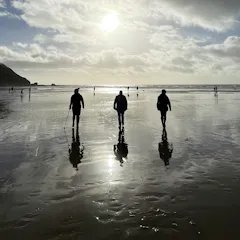
Sharing the stories of progress and innovation that show how our patches of the sea are recovering can show what’s possible and inspire further positive action.

NOAA’s preseason forecast is the 30,000-foot view of what’s likely. Here’s what forecasters will be watching for over the weeks and months ahead.
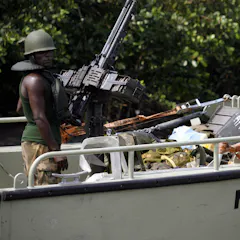
Instead of a winner takes all approach, Africa’s coastal countries should share contested resources.
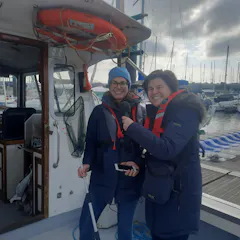
Surprising discoveries from marine science – a BBC collaboration with The Conversation.
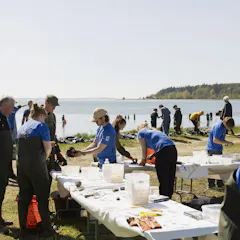
People counted and collected invasive Pacific oysters found on the seabed and then went on to cook them.
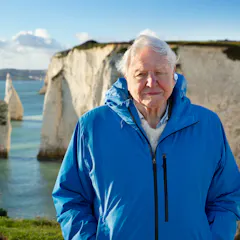
Attenborough’s filmography has shaped how we perceive the natural world.
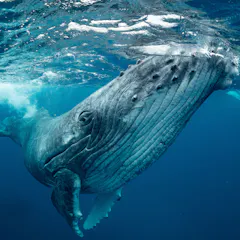
Their carcasses and faeces are also important to the ocean.
Top contributors
-

Professor, School of the Environment, The University of Queensland
-
Harold T. Stearns Professor of Earth Science, Wesleyan University
-
Distinguished Scholar, National Center for Atmospheric Research; Affiliate Faculty, University of Auckland, Waipapa Taumata Rau
-
Director of the ARC Centre of Excellence for Our Future Oceans and Scientia Professor in Oceanography, UNSW
-
Distinguished Professor of Marine Science, King Abdullah University of Science and Technology
-
Research Scientist, Stanford University
-
Senior Principal Research Scientist, Environment, CSIRO
-
Faculty Research Associate in Marine Biology, Arizona State University
-
Professor of Marine Botany, The University of Western Australia
-
Chief Research Scientist - Environment, CSIRO
-
Professor of Biology, Department of Biology, University of Victoria
-
Professor and Deputy Vice-Chancellor (Research), University of Sydney
-
CSIRO Fellow, CSIRO
-
Professor of Complex Systems and Environmental Policy, Bournemouth University
-
Associate Professor in Marine Biology, Swansea University