
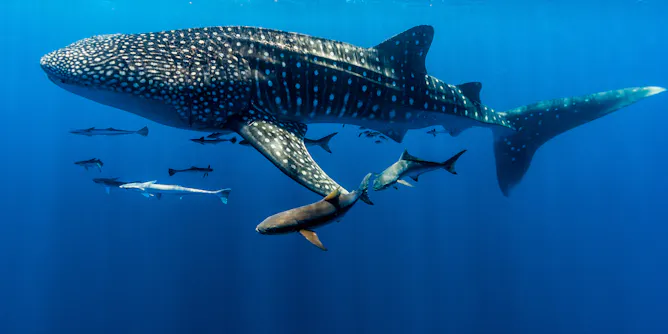
Sharks and rays have been swimming through the oceans for millions of years – but we still don’t really know where.
Articles on Marine life
Displaying 1 - 20 of 214 articles
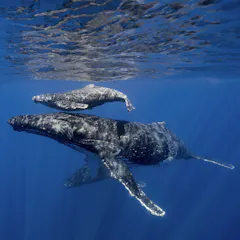
Our latest study takes a closer look at the emotional lives of humpback whales.
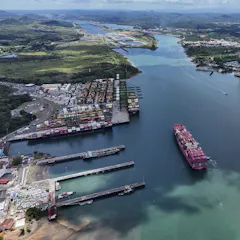
El Niño can affect agriculture, marine life and economies in profound ways, including slowing commerce at the Panama Canal. This El Niño is likely to be the strongest in over a century.
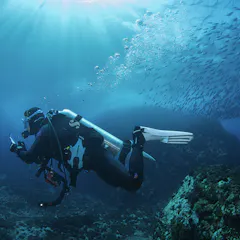
Overfishing and poor enforcement are just two reasons marine ecosystems are struggling to recover.

These underwater disasters can trigger coral bleaching and massive fish kills.

Communities and entrepreneurs are experimenting with ways to turn this nuisance into a valuable resource.
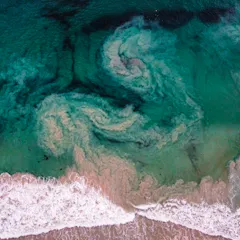
Australian scientists are exploring ways to remove carbon from the atmosphere – using our oceans.

As part of our research we interviewed and followed hundreds of scuba divers.
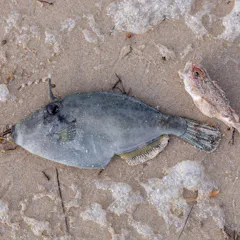
A new Australian-led study examined what makes the Karenia cristata algae so deadly.
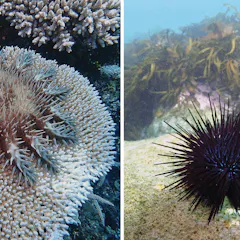
Crown-of-thorns starfish and long-spined sea urchins can rapidly devour healthy reefs.
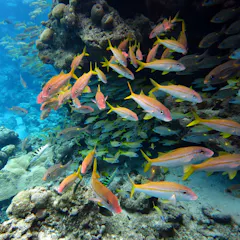
So far, about 10% of the ocean has formal protection as countries work toward the 30x30 goal, but many areas are still protected on paper only.
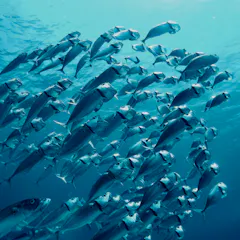
El Niño can trigger intense periods of extreme ocean warming known as marine heat waves that can devastate marine life.
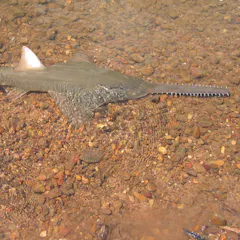
If you’re a tiny prawn, barramundi or rare sawfish in a northern Australian gulf, you can’t easily swim south to escape the heat.
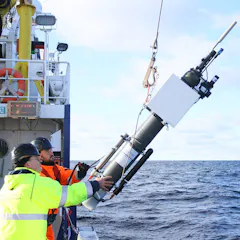
Defunding marine monitoring networks could jeopardise efforts to avoid losing track of the world’s oceans and their precious ecosystems, which drive the blue economy.
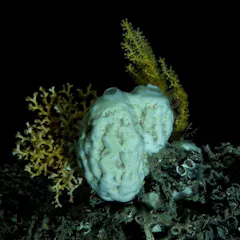
Beyond the sunlit ocean lies a vast abyss where organisms have to recycle every scrap available.
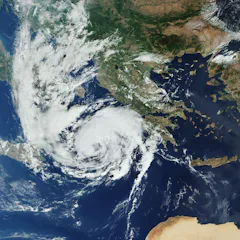
Freak tropical-like storms are highly sensitive to climate change and as a result, could be coming soon to the Mediterranean.

Healthy coral reefs can significantly reduce hurricane damage for coastlines, yet many still face harms, including pollution and ship damage, that people have the power to stop.
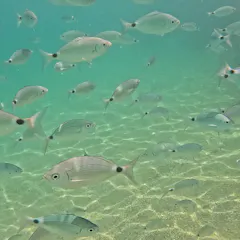
The Mediterranean is one of the world’s most vulnerable ecosystems. A scientific study on shifting distribution dynamics examines how its fish species contend with sea warming.
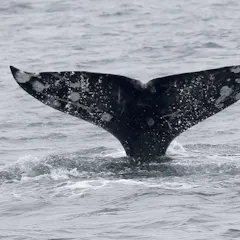
In the past, the gray whale population recovered fairly quickly. But data on baby whales show that isn’t happening, and a new study finds an alarmingly high mortality rate.
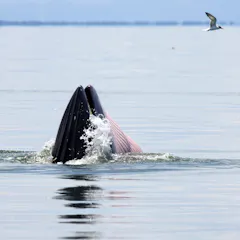
Biological matter left behind in the water allows us to follow these animals without ever setting eyes on them.
Top contributors
-

Whale Scientist and Lecturer, Faculty of Science and Engineering, Macquarie University
-
Professor and Deputy Vice-Chancellor (Research), University of Sydney
-
Postdoctoral Research Associate, University of Sydney
-
Professor of Marine Botany, The University of Western Australia
-
Senior Principal Research Scientist, Environment, CSIRO
-
Chief Research Scientist - Environment, CSIRO
-
Senior Curator of Marine Invertebrates, Museums Victoria Research Institute
-
Associate Professor, School of Science, Edith Cowan University
-
Professor, Sustainable Marine Futures, Environment Institute, Adelaide University
-
Research Fellow in Marine Ecology, Marine Biological Association
-
Associate Professor of Marine Conservation, University of Plymouth
-
PhD candidate, University of the Western Cape
-
Postdoctoral Research Scientist, Marine Biological Association
-
Curator of Vertebrates, Museum of New Zealand Te Papa Tongarewa
-
Research Fellow, University of Tasmania