
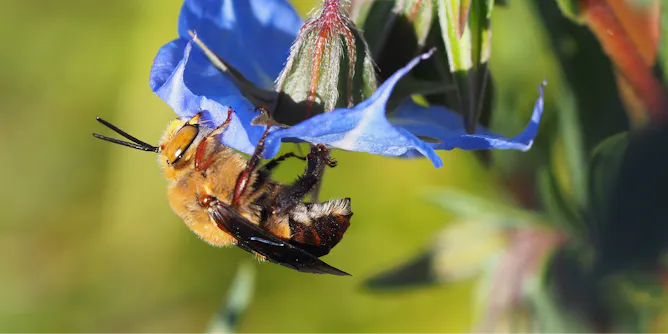
Native bees pollinate many of Australia’s unique plants and help entire ecosystems thrive.
Articles on Climate change
Displaying 1 - 20 of 8648 articles

These Pacific meetings are a curtain raiser for the annual UN climate meetings in Turkey next month.
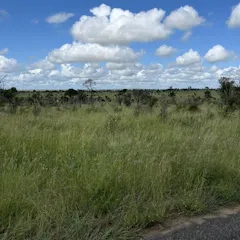
New research in the Kruger National Park has found that rising CO₂ in the atmosphere helps savanna grasses grow when less water is available.

Wildfires are a growing issue in the UK, with incidents escalating in 2026.

A coal mine in the Hunter Valley region has sparked debate among politicians, environmental advocates and local residents.
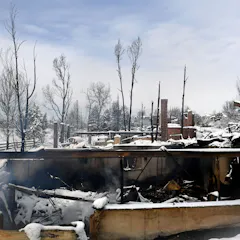
If fossil fuel companies misled the public about the dangers of their products, should they be required to pay for damages from climate-related disasters?

The Antarctic ice sheet’s future depends how a chain of events plays out. A new study finds the evidence points in one direction.

As hundreds of thousands more EVs hit Australian roads, is our charging infrastructure up to scratch?
If all the ice in the Wilkes Subglacial Basin melted, it would raise global sea levels 3 to 4 metres. It happened before – at temperatures we’re heading towards
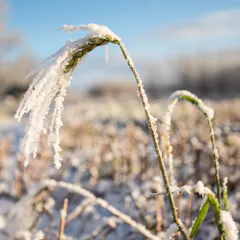
Papua New Guinea’s frost disaster suggests heat and drought aren’t the only symptoms of a changing climate.

The climate science behind 2026’s super El Niño.

A regional permafrost map can’t tell a builder if a particular foundation or road will survive as temperatures rise. Engineers need to see beneath the surface to find the weaknesses.

The clam fills a crucial gap in our records of what the reef was like before industrial-era global warming.

For decades, we couldn’t trace the link between new fossil fuel projects and their damage to people and planet. But now we can.

To survive dry spells, trees stop the water-rich process of photosynthesis. When nature’s natural carbon capture machine grinds to a halt entire forests end up producing more CO₂ than they absorb.
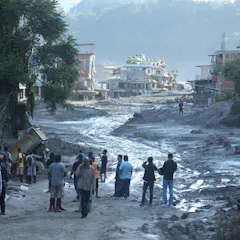
With extreme weather and glacier melt predicted to increase, neighbouring nations will need to act together to prevent deaths.
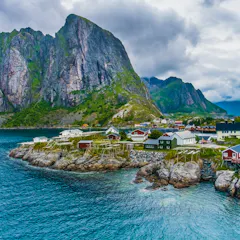
These mobile power systems could be a lifeline for remote, island and disaster-prone places.
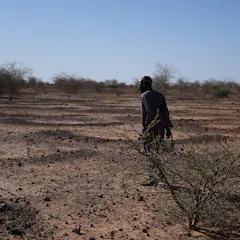
The super El Niño could cause 31,400 extra heat deaths in Nigeria alone. Heat warnings, cooling centres and worker protections could help save lives.

Droughts and floods reduce agricultural production, disrupt supply chains, and limit families’ access to fruits, vegetables, and other fresh foods.
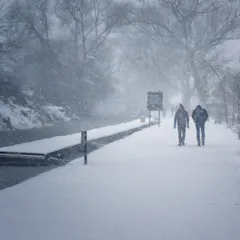
Across the northern hemisphere, cold spells are becoming milder as the temperatures rise, with their intensity decreasing by 0.3°C per decade.
Top contributors
-

Professorial Fellow, University of Canberra
-
ARC Future Fellow and Associate Professor in Climate Science, ARC Centre of Excellence for 21st Century Weather, The University of Melbourne
-
Chief Research Scientist, CSIRO Environment; Executive Director, Global Carbon Project, CSIRO
-
Professor of Earth System Science, UCL
-
Research Associate, Institute for Climate Risk and Response, UNSW
-
Professor, School of Economics, The University of Queensland
-
Professor, Crawford School of Public Policy and Director, Centre for Climate and Energy Policy, Australian National University
-
Adjunct professor, UNSW
-
Former Visiting Fellow, SPRU, University of Sussex Business School, University of Sussex
-
Professor emeritus, The University of Melbourne
-
Assistant Director of the Global Systems Institute, University of Exeter
-
Professor of International Relations, The University of Queensland
-
Deputy Director, Engagement and Impact, The ARC Centre of Excellence for the Weather of the 21st Century, Australian National University
-
Chair of Cognitive Psychology, University of Bristol
-
Senior Research Fellow, Melbourne School of Psychological Sciences, The University of Melbourne