

These underwater disasters can trigger coral bleaching and massive fish kills.
Articles on Fisheries
Displaying 1 - 20 of 243 articles

A new study suggests the world’s mangrove forests are expanding.
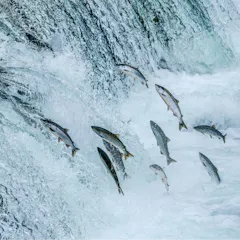
Biodiversity policies fail because governments lack the safeguards, accountability mechanisms and political commitment needed to implement them consistently.
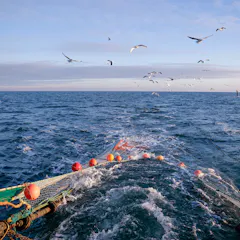
Amid renewed debate over bottom trawling, decades of marine research suggest the balance between fishing and conservation needs revisiting.
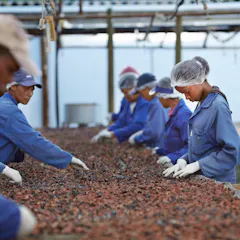
Chinese lenders have invested billions in African agriculture. But new research shows the money often misses what’s needed to modernise the sector.

Detailed data is useful for understanding and addressing environmental effects on people’s lives in ways that become difficult or impossible if only the broadest and blurriest picture is developed.
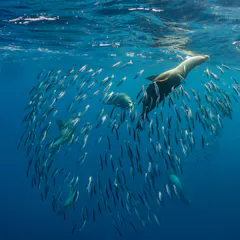
A dip in anchovy stocks is not only vital for Peru’s economy, but also essential for supporting fish farming and food production worldwide.
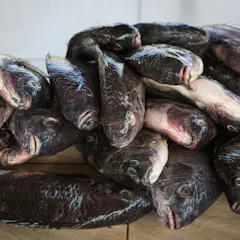
Navigating the benefits and risks of eating fish is a daily concern for consumers in Kenya due to persistent environmental pollution. How much are they influenced by nutritional labelling and guidelines?
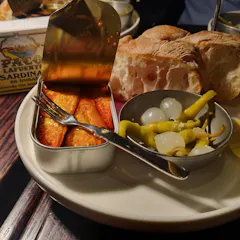
Clever rebranding and marketing could help boost demand for local sardines among Australians. But really making a difference would require policy change.
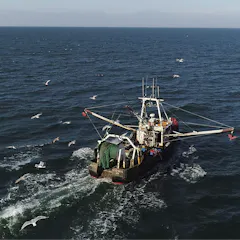
Bottom trawling operates by dragging large, weighted nets across the ocean floor, sweeping up most of the life they encounter along the way and destroying habitats.
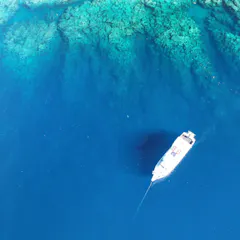
Coral reefs underpin tourism and small fisheries, but are under threat from rising ocean temperatures.
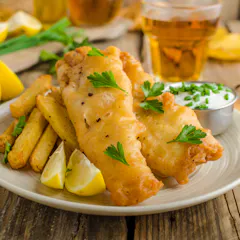
Even where quotas are reduced, cod recovery is hampered by how many fisheries operate in practice.
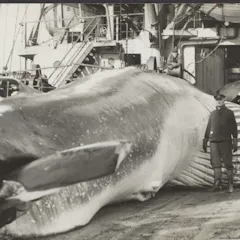
The whaling industry was wildly profitable, and decimated whale populations around the world until it was banned in the 1980s.
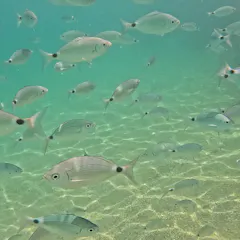
The Mediterranean is one of the world’s most vulnerable ecosystems. A scientific study on shifting distribution dynamics examines how its fish species contend with sea warming.
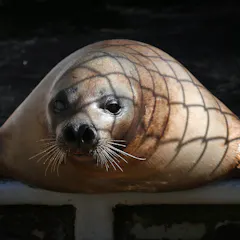
Since Atlantic cod fisheries collapsed in the early 1990s, ecosystems have been less productive and have struggled to recover.
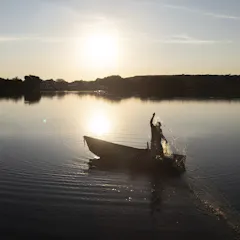
Nearly 30 per cent of the world’s population lives in coastal areas. A changing climate and biodiversity loss represent an unprecedented threat to these ecosystems.

For years, illegal fishing vessels operated near Australia’s Heard and McDonald Islands. Here’s what happened after they were stopped.

The recovery of kelp forests brought many fish species back. But fish stocks in the reserve remain far below those present before commercial fishing took off.

The loss of one iconic species, sunflower sea stars, unleashed a voracious eater of seagrass habitats and upended the coastal ecosystem. But the response has opened new business opportunities.
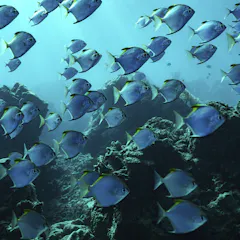
For decades, government subsidies have helped industrial fishing fleets to expand, often with little regard for sustainability.
Top contributors
-

Lecturer in Sustainable Futures, University of St Andrews
-
Director & Professor, Fisheries Economics Research Unit, University of British Columbia
-
Assistant Professor, School of Energy, Geoscience, Infrastructure and Society // CEO MarFishEco Fisheries Consultant Ltd, Heriot-Watt University
-
Wen Family Chair in Conservation, The University of Western Australia
-
Affiliated Researcher, Fisheries Economics Research Unit, University of British Columbia
-
Associate Professor in Marine Biology, Swansea University
-
Honorary Fellow in Economics, The University of Queensland
-
Researcher in Ecosystem Dynamics, University of California, Santa Cruz
-
Professor of Aquatic Resources Development, University of Stirling
-
Director of CORDIO in East Africa and Adjunct Fellow, Pwani University
-
Associate Professor in Ocean Stewardship, Stockholm University
-
Adjunct Associate Professor, University of Guelph
-
Research Scientist, Fisheries & Marine Institute, Memorial University of Newfoundland
-
Emeritus Professor, The University of Western Australia
-
Distinguished University Professor and Adviser in Marine Studies, Oregon State University