
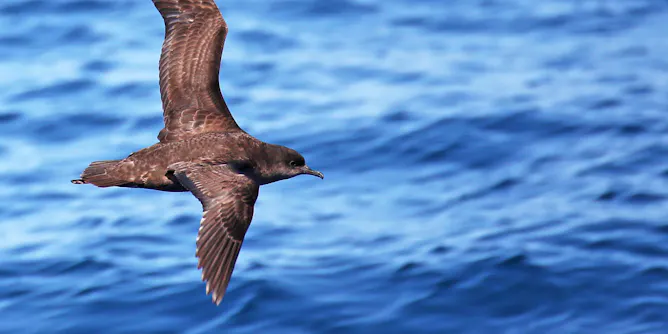
When we see shearwaters washed up dead on beaches, we might think strong winds or a failed migration are to blame. That’s not the case – it’s hotter oceans
Articles on Oceans
Displaying 41 - 60 of 926 articles
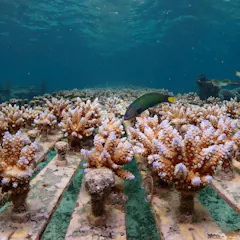
Scientists and reef managers are calling for ‘assisted evolution’ to help accelerate coral reef adaptation in the face of global warming.
How maths can help us understand how rare it is to find a bottle with a message inside.
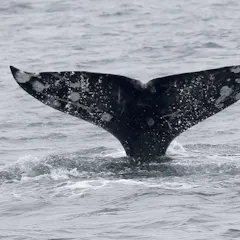
In the past, the gray whale population recovered fairly quickly. But data on baby whales show that isn’t happening, and a new study finds an alarmingly high mortality rate.

Over summer, several big jellyfish blooms were sighted in southern Australian waters. What might be behind these swarms?
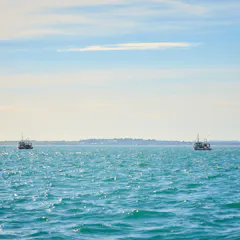
Marine scientific cooperation, sustainable resource management and conservation can help prevent conflict and foster trust among nations.

The podcast was created in partnership with UFPA to showcase what scientists in Brazil and Australia are doing to mitigate the impacts of climate change

The High Seas Treaty requires a secretariat to co-ordinate between parties, service meetings, manage information and keep the machinery running.
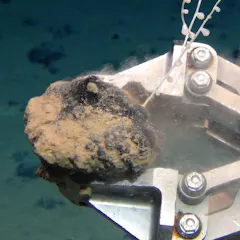
Critical minerals are found in several forms in the ocean, from potato-size nodules to brine pools. They are also in some of the least understood parts of our planet.
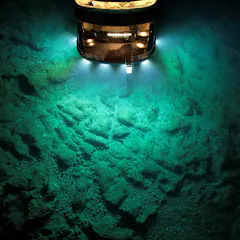
Robotic and autonomous underwater vehicles have collected vast quantities of footage from the deep sea, but most of it hasn’t been analysed.
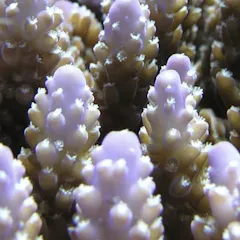
Several years worth of findings from a floating laboratory have tapped into a well-stocked coral library of taxonomic, genetic and chemical diversity, previously unknown to Science and Medicine.
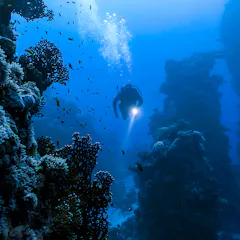
How good are our current seafloor maps?

Sailing voyages help young people develop strong connections with the sea that can last a lifetime.
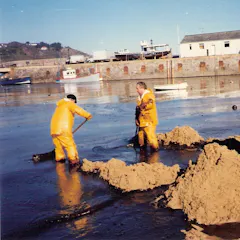
With better ships, clearer command and smarter plans, the risk of major oil spills can be minimised.
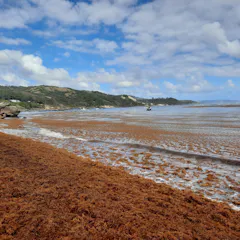
Floating seaweed can travel long distances to new territories and accumulate in large mats or wash ashore in huge quantities.
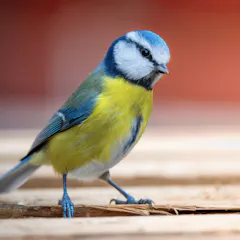
Humans and birds both have an underappreciated sense of smell.

A dramatic ocean rescue reminded us that Australian coastal weather can be unpredictable. Here’s how to spot when conditions are changing.
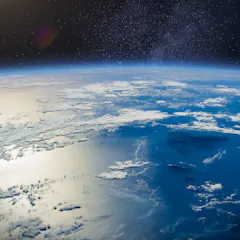
The ocean is warming as the upper atmosphere is cooling – both as a result of excessive greenhouse gas emissions.
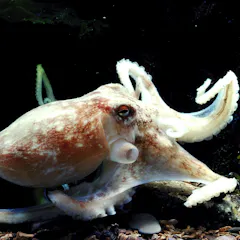
Batteries are typically held together by chemicals that don’t easily degrade. However, some marine animals have evolved remarkable natural ways to attach themselves to wet, slippery surfaces.
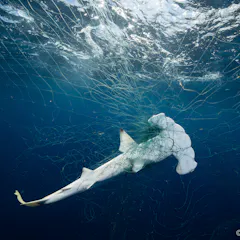
Trade bans on sharks won’t reduce the threat of overfishing.
Top contributors
-

Professor, School of the Environment, The University of Queensland
-
Harold T. Stearns Professor of Earth Science, Wesleyan University
-
Distinguished Scholar, National Center for Atmospheric Research; Affiliate Faculty, University of Auckland, Waipapa Taumata Rau
-
Director of the ARC Centre of Excellence for Our Future Oceans and Scientia Professor in Oceanography, UNSW
-
Distinguished Professor of Marine Science, King Abdullah University of Science and Technology
-
Research Scientist, Stanford University
-
Senior Principal Research Scientist, Environment, CSIRO
-
Faculty Research Associate in Marine Biology, Arizona State University
-
Professor of Marine Botany, The University of Western Australia
-
Chief Research Scientist - Environment, CSIRO
-
Professor of Biology, Department of Biology, University of Victoria
-
Professor and Deputy Vice-Chancellor (Research), University of Sydney
-
CSIRO Fellow, CSIRO
-
Professor of Complex Systems and Environmental Policy, Bournemouth University
-
Associate Professor in Marine Biology, Swansea University