
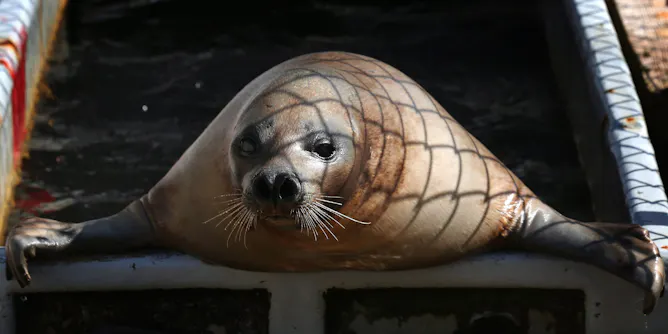
Since Atlantic cod fisheries collapsed in the early 1990s, ecosystems have been less productive and have struggled to recover.
Articles on Oceans
Displaying 81 - 100 of 926 articles

Small plastic pellets, used in wastewater treatment facilities since the 1990s, are more than just plastic pollution – they carriy potentially dangerous bacteria.
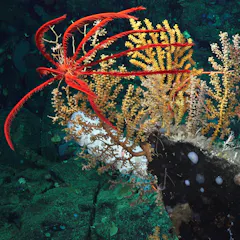
The momentum of COP30 and the first global agreement for marine areas beyond national jurisdiction creates a unique opportunity to further integrate the ocean, particularly the deep sea, into the climate agenda.

How to shift the ‘grey’ ocean economy that prioritises the unequal extraction of resources towards a ‘blue’ economy that benefits all.
Nearly 30 per cent of the world’s population lives in coastal areas. A changing climate and biodiversity loss represent an unprecedented threat to these ecosystems.
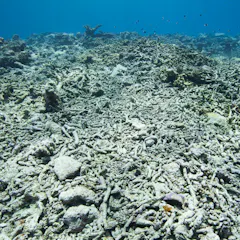
Dangerous climate tipping points will threaten food, water and coastlines. They’re irreversible and only radically accelerated climate action can stop them now.
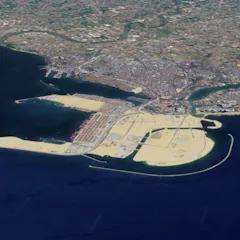
The lines of artificial coastal developments might be neat and straight but in reality, they are fragmenting ecosystems and disrupting hydrodynamics.

Tropical storms are guided by many different wind patterns: big, like the Bermuda high, and small. A hurricane researcher explains their role in why so many storms veered off into the Atlantic in 2025.

Some plastic pollution lingers at the ocean’s surface for more than a century.
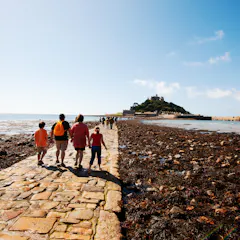
Four in ten people surveyed were unaware that tides come in twice daily, that they vary in timing each day, and that they differ in height across the country.
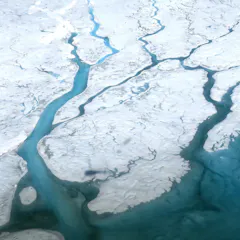
A report warns that coral reefs may have reached their tipping point, and ice sheets, ocean currents and the Amazon are at growing risk. But, what does that actually mean?

The link between feeding and breeding makes whales a living barometer of ocean health.
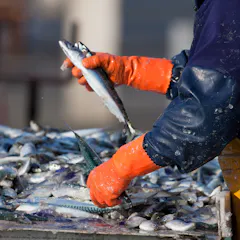
Overfishing affects food security, blue economy jobs and climate resilience.
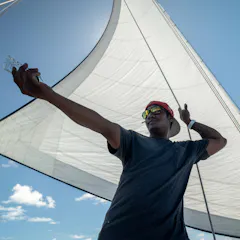
Scientists have been exploring the role that neuroscience plays in ocean navigation.
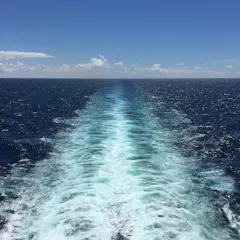
New marine protected areas may hinder lucrative deep sea mining.
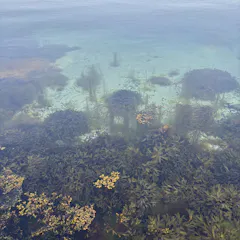
Restoring boulder reefs provides vital habitat for marine animals and helps reduce coastal erosion in the face of climate change.
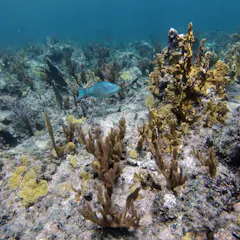
Coral reefs will stop growing and many will start to erode if global warming hits 2°C, according to a new study of 400 sites.
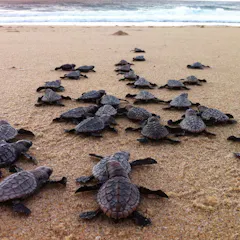
Little is known about the early life of sea turtle hatchlings but a modelling study shows the importance of ocean currents in their journeys.
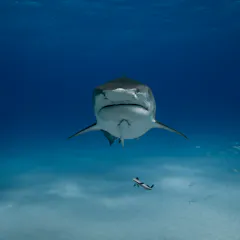
A new study sheds light on how sharks colonised the oceans and became apex predators.
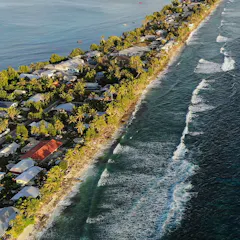
From rising global temperatures to the fast-warming Arctic, early climate models predicted the changes half a century ago.
Top contributors
-

Professor, School of the Environment, The University of Queensland
-
Harold T. Stearns Professor of Earth Science, Wesleyan University
-
Distinguished Scholar, National Center for Atmospheric Research; Affiliate Faculty, University of Auckland, Waipapa Taumata Rau
-
Director of the ARC Centre of Excellence for Our Future Oceans and Scientia Professor in Oceanography, UNSW
-
Distinguished Professor of Marine Science, King Abdullah University of Science and Technology
-
Research Scientist, Stanford University
-
Senior Principal Research Scientist, Environment, CSIRO
-
Faculty Research Associate in Marine Biology, Arizona State University
-
Professor of Marine Botany, The University of Western Australia
-
Chief Research Scientist - Environment, CSIRO
-
Professor of Biology, Department of Biology, University of Victoria
-
Professor and Deputy Vice-Chancellor (Research), University of Sydney
-
CSIRO Fellow, CSIRO
-
Professor of Complex Systems and Environmental Policy, Bournemouth University
-
Associate Professor in Marine Biology, Swansea University