
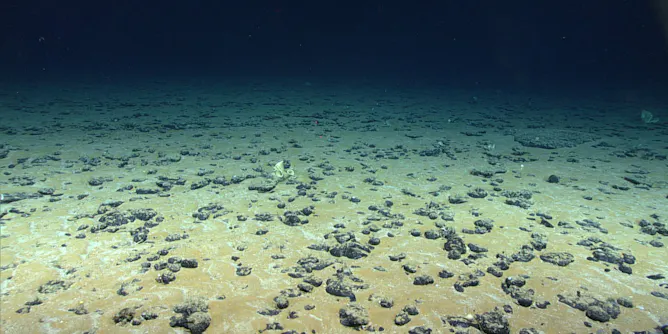
The deep ocean is not a silent, static place – it’s active, connected to the oceans above and always changing.
Articles on Oceans
Displaying 61 - 80 of 926 articles
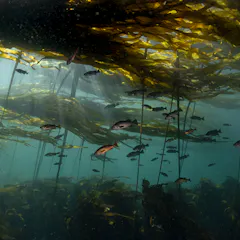
Researchers have known for centuries that some fish make sounds. Now, using special underwater acoustics, researchers have been able to identify sounds from eight different species.

A run of damaging storms that has spoiled midsummer and caused floods and landslides isn’t bad luck, but a combination of local, regional and global drivers.
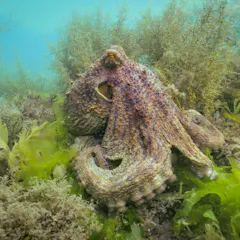
Climate-driven shifts in ocean and atmospheric dynamics underpin these recent blooms in octopus numbers in UK waters.
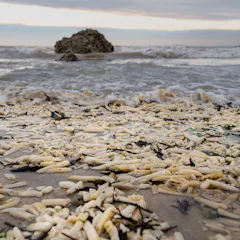
When cargo falls into the sea, it becomes an accidental ocean currents experiment.
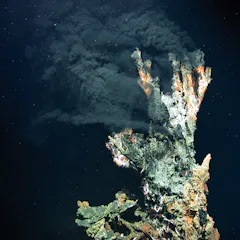
Researchers have discovered that chemical reactions in underwater hydrothermal vents could have produced the necessary ingredients for life on Earth.

A four-year record from the heart of the Ross Ice Shelf shows how subtle changes could shape future sea level rise, ocean ecosystems – and even our weather.
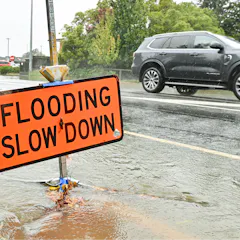
Understanding what is happening deep beneath the ocean surface is key to understanding the weather patterns we are experiencing on land.
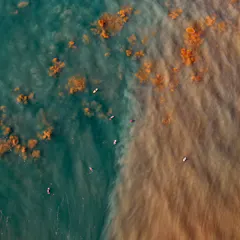
More than a fifth of the global ocean has gradually lost underwater light. But short, intense “marine darkwaves” can be just as damaging for life below the surface.
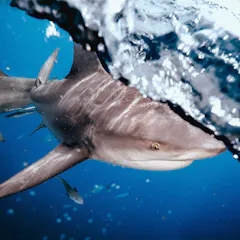
Recent shark attacks may be linked less to shark behaviour – and more to the pollutants, pesticides and parasites humans send into the ocean.
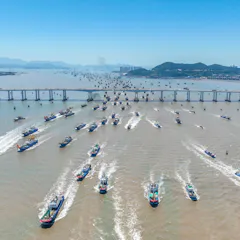
The expansion of Arctic shipping, scramble for seafloor mining and overfishing are all straining international relationships. But the powers of diplomacy go beyond ocean treaties.
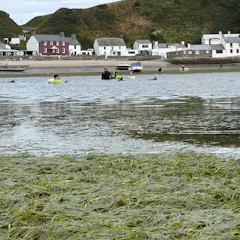
Marine biodiversity underpins human health such as at Porthdinllaen in north wales where seagrass is part of a marine social ecological system.
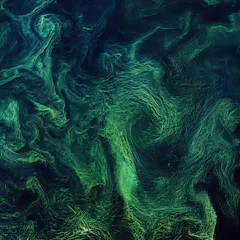
Some methods being tried to counter climate change shift the ocean’s biology or chemistry. Others would deflect solar radiation. All have consequences for marine life.
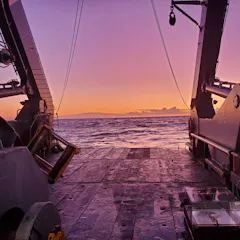
Marine viruses attack cells, but the material that spills out helps fuels marine life around the world.
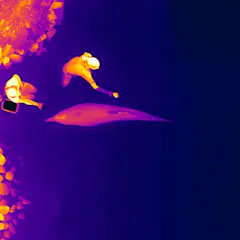
Assessing the health of dolphins and whales is notoriously difficult. But new technology can help.
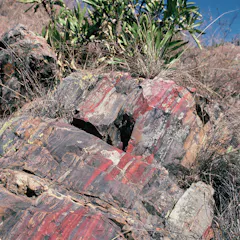
Young Earth was a blue planet covered in oceans, much like today. But the atmosphere was a lethal cocktail of gases, with no oxygen.
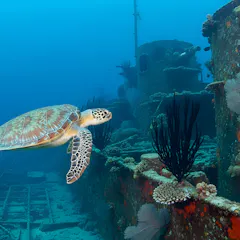
Plants and animals soon colonise any hard surface in otherwise sandy or muddy seafloors.
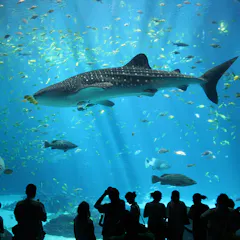
Sharks have had a tough time since the 1970s, when overfishing, habitat loss and a growing trade in their fins began to cut their populations. ‘Jaws’ didn’t help.

South Australians are heartbroken about the state’s unprecedented algal bloom. But eating oysters, donating shells and restoring lost reefs will boost ocean health.
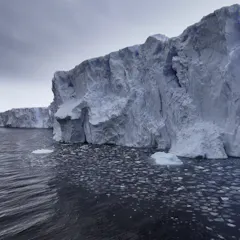
Our ocean float spent years adrift in the Antarctic ocean and beneath massive ice shelves. What it found will help us estimate global sea-level rise.
Top contributors
-

Professor, School of the Environment, The University of Queensland
-
Harold T. Stearns Professor of Earth Science, Wesleyan University
-
Distinguished Scholar, National Center for Atmospheric Research; Affiliate Faculty, University of Auckland, Waipapa Taumata Rau
-
Director of the ARC Centre of Excellence for Our Future Oceans and Scientia Professor in Oceanography, UNSW
-
Distinguished Professor of Marine Science, King Abdullah University of Science and Technology
-
Research Scientist, Stanford University
-
Senior Principal Research Scientist, Environment, CSIRO
-
Faculty Research Associate in Marine Biology, Arizona State University
-
Professor of Marine Botany, The University of Western Australia
-
Chief Research Scientist - Environment, CSIRO
-
Professor of Biology, Department of Biology, University of Victoria
-
Professor and Deputy Vice-Chancellor (Research), University of Sydney
-
CSIRO Fellow, CSIRO
-
Professor of Complex Systems and Environmental Policy, Bournemouth University
-
Associate Professor in Marine Biology, Swansea University