
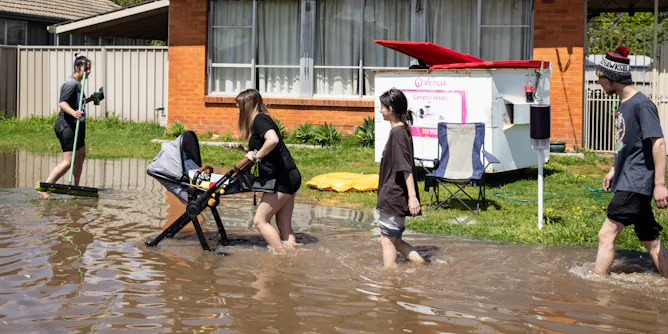
2022 has been Australia’s year of freak floods. Here’s what stricken Victorians are set to experience in the weeks and months ahead.
Articles on Disaster
Displaying 81 - 100 of 198 articles

Experts share their insights into Nigeria’s flooding challenge and steps needed to alleviate their worst effects.
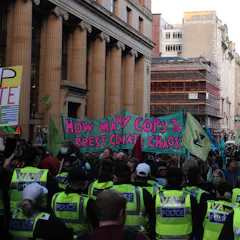
Remember hearing about COP26 in Glasgow last year? There’s a lot at stake in this year’s climate summit, so here’s your essential guide to prepare.
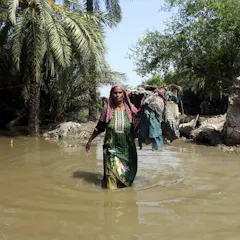
Pakistan contributes less than one per cent of greenhouse gas emissions, but has disproportionately felt the impact of climate change.
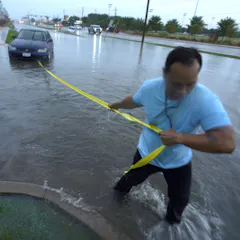
Flood risks are rising as the climate warms. The risks are complex, as a levee or new roadway in one place can worsen flooding somewhere else.

India’s international climate pledge could set the tone for other emerging economies for a decade.
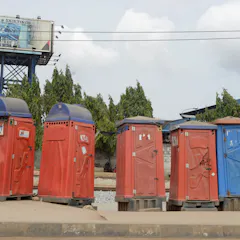
Some Niger Delta residents are less concerned about oil-induced hazards and risks, or floods and erosion. They are more worried about a lack of sanitation amenities.
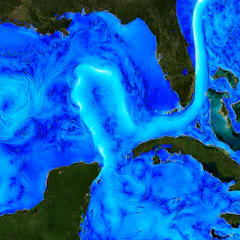
With La Niña helping clear the way for a busy hurricane season, this wide current of warm water could spell disaster for the northern Gulf Coast.
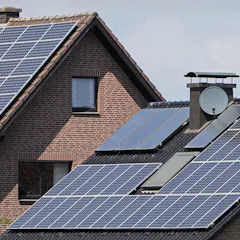
War, famine and an energy crunch are affecting the world’s response to climate change, but there are reasons for optimism.
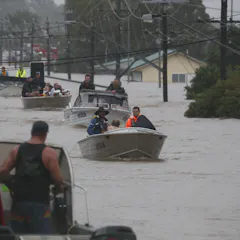
It is unreasonable to expect people to cope with all disasters – but it is reasonable to expect people to manage a certain level of risk.

The urge to create, or donate to, crowdfunding campaigns in a crisis is understandable. But it’s worth asking: who can succeed in crowdfunding, and who gets left behind?

As someone who lost pretty much everything in the 2011 Brisbane floods and then led a study on community responses to those floods, I have some insights on what helps – and what doesn’t.
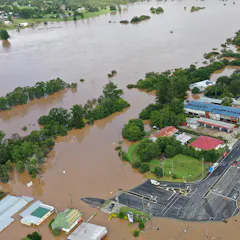
A weather system called ‘atmospheric rivers’ is causing this inundation. In March last year, an atmospheric river brought 800kg of water vapour over Sydney every second.
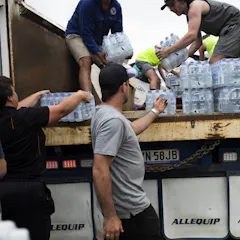
Disaster-affected communities form the backbone of any disaster response. But survivors are often underutilised in shaping plans for their community’s longer-term recovery and preparedness efforts.
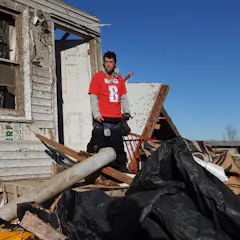
The most affordable homes face the highest risks from disasters for three key reasons.

Children don’t have to be in physical danger for disaster images to have a powerful psychological impact.
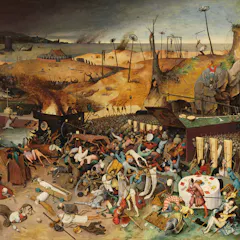
Science has made a strong case for the year 536 as being one of the worst in human history, a year punctuated by volcanic eruptions, drought, famine and plague - and a year long winter.
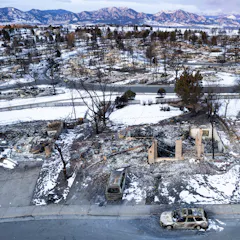
As more people move into high fire-risk areas, an architect explains what to do to keep properties as safe as possible.
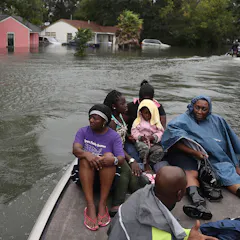
A street-by-street analysis shows where the risks are rising fastest and also lays bare the inequities of who has to endure America’s crippling flood problem.

After Premier Doug Ford announced “positive news,” I think about the widening inequality in our province, who the news is “positive” for and the death of caremongering.
Top contributors
-

Associate Professor of Disaster and Emergency Management, York University, Canada
-
Senior Scientist in Disaster and Climate Risk at Earth Sciences NZ & Senior Research Fellow (adjunct), Humanitarian Emergency and Disaster Management, Charles Darwin University
-
Professor of Geology and Environmental Geosciences, University of Dayton
-
Professor of Disasters and Health, UCL
-
Assistant Professor and Co-Director, Center for Emergency Management and Homeland Security, Watts College, Arizona State University
-
PhD Candidate in Political Science and International Relations, Queen's University, Ontario
-
Professor of Public and International Affairs, former Director of the Center for Disaster Management, University of Pittsburgh
-
Professor of Computer Science and Engineering, Texas A&M University
-
Professor of Oceanography, University of Miami
-
Associate Professor, Macquarie University
-
Professor and Inaugural Judith Neilson Chair in Architecture, UNSW
-
Senior Research Associate, Institute for Environment and Human Security (UNU-EHS), United Nations University
-
Associate Professor, Florida Institute for Built Environment Resilience, University of Florida
-
Professor of Climate Science, UMass Lowell
-
Associate Professor of Civil Engineering, Boise State University; United Nations University