

A civil engineer explains why ships taking out bridges is rare, and describes how bridge builders protect the structures from ship collisions.
Articles on Disaster
Displaying 41 - 60 of 198 articles

Despite improvements in disaster response management since the Abbotsford floods of 2021, long-term animal welfare remains woefully underappreciated in B.C.
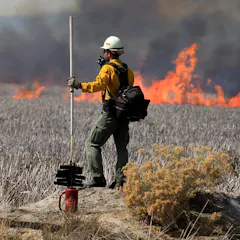
A hot, dry summer on the heels of a wet winter raises the risk of wildfires.
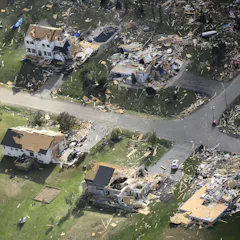
Governments and the media remain focused on responding to disasters, not preventing or preparing for them. Here’s what must change — and will and won’t work — as Canada faces increased disaster risks.

As Turkey is recovering from the most devastating earthquake in its recent history, a timely opportunity emerges to change how to reconstruct housing.

Tailoring crisis communications strategies across the phases of the disaster management cycle is a more successful approach and can help co-ordinate disaster responses.

The film asks how individuals and communities can tackle disaster while embracing an ethos of mutual aid that sidesteps yearning for nationalist policies that lead to even more harm.

As the climate warms, devastating fires are increasingly likely. The 2020 fires pushed the Southern Rockies beyond the historical average. Is there hope for the Northern Rockies?
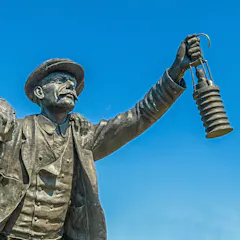
Four hundred and forty men and boys were killed in the Senghenydd colliery disaster, with the youngest victims aged just 14 years old.
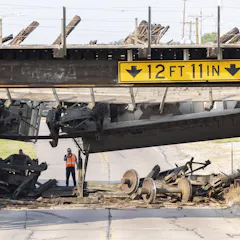
Focusing solely on humans at the expense of other life in the aftermath of train derailments limits the effectiveness of our disaster response management.

A deadly earthquake in Afghanistan, following one in Morocco, highlights the risks in the region.

Research shows gender-based violence increases in the aftermath of disasters. Governments must incorporate ways of addressing it into their disaster response plans.

As the mass evacuation of Yellowknife unfolds, the needs of minority populations will emerge. Past experiences indicate emergency officials may not be ready to meet the needs of a diverse population.

Maui officials have asked relatives to provide DNA samples to help identify victims of the Lahaina wildfires. Time and exposure to the elements, however, can make DNA retrieval from remains difficult.
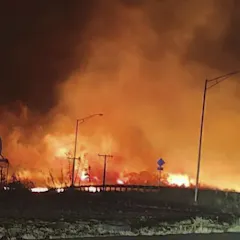
Human exposure to wildfires in the US more than doubled in the past two decades. A climate scientist looks at who is at risk and why.
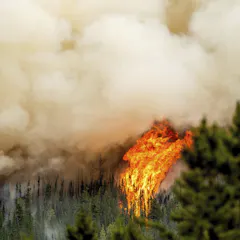
To effectively address climate hazards like wildfire, we must consider the diverse experiences of people, account for longstanding institutions and create processes that empower local people.
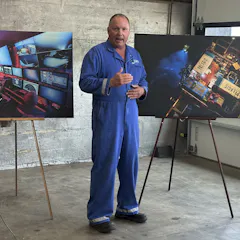
Complex endeavours require complex risk management, and high-reliability organizations recognize this. OceanGate did not plan for the complexity of its operations, with tragic consequences.
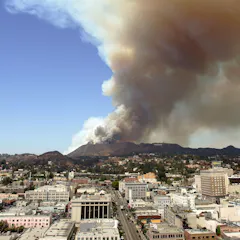
Nearly 22 million people lived within 3 miles of a US wildfire in the past two decades. A new study tracking their locations flips the script on who is at risk.
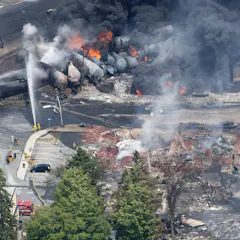
Lac-Mégantic haunts rail transportation in North America. Here’s a look at how little has changed when it comes to rail safety since the disaster in rural Québec10 years ago.
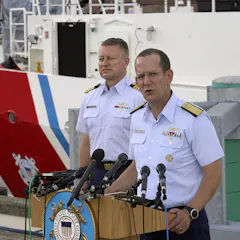
The Titan submersible implosion shares similarities with two other historic disasters: the Titanic and the Terra Nova Expedition to the South Pole.
Top contributors
-

Associate Professor of Disaster and Emergency Management, York University, Canada
-
Senior Scientist in Disaster and Climate Risk at Earth Sciences NZ & Senior Research Fellow (adjunct), Humanitarian Emergency and Disaster Management, Charles Darwin University
-
Professor of Geology and Environmental Geosciences, University of Dayton
-
Professor of Disasters and Health, UCL
-
Assistant Professor and Co-Director, Center for Emergency Management and Homeland Security, Watts College, Arizona State University
-
PhD Candidate in Political Science and International Relations, Queen's University, Ontario
-
Professor of Public and International Affairs, former Director of the Center for Disaster Management, University of Pittsburgh
-
Professor of Computer Science and Engineering, Texas A&M University
-
Professor of Oceanography, University of Miami
-
Associate Professor, Macquarie University
-
Professor and Inaugural Judith Neilson Chair in Architecture, UNSW
-
Senior Research Associate, Institute for Environment and Human Security (UNU-EHS), United Nations University
-
Associate Professor, Florida Institute for Built Environment Resilience, University of Florida
-
Professor of Climate Science, UMass Lowell
-
Associate Professor of Civil Engineering, Boise State University; United Nations University