

The federal government’s role in disaster management has been to provide some funding. However, that limited role can lead to poor co-ordinaton.
Articles on Disaster management
Displaying 1 - 20 of 130 articles
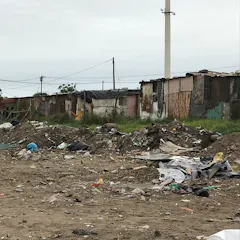
For many isiXhosa-speaking residents, disaster warnings arrive too late, or in language that is difficult to understand.
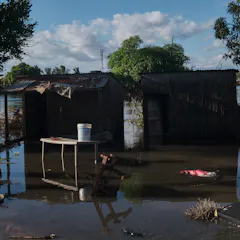
Flooding alters the environment in ways that favour malaria transmission.
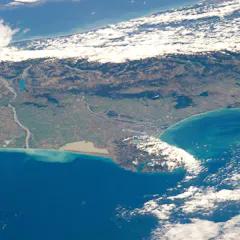
Satellite remote sensing allows rapid, detailed disaster response and planning. But the rules governing who controls and has access to the data aren’t keeping up.

The Canadian Emergency Response Psychosocial Support Network offers a directory of mental health services across Canada, a mental health self-assessment tool, and individual and community mental-health tool kits.
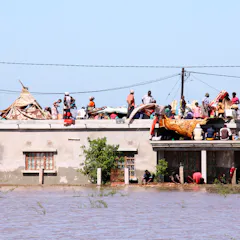
When floods happen, disadvantages mount and people fall further behind.

How can a society afford recurring cycles of disaster management without addressing the ecological interventions that amplify these calamities?
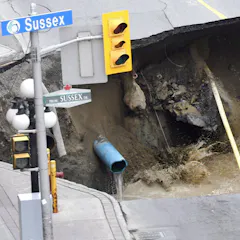
Sinkholes are not just costly inconveniences, they are growing threat to commercial activities, livelihood and property and are increasing in frequency due to climate change.
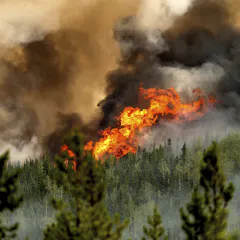
Canadians faces a growing safety crisis yet they remain unprepared. The real danger is complacency.
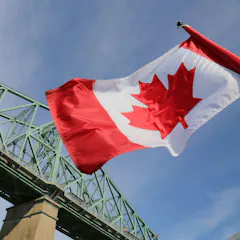
What if Canada could see the impact of wildfires, floods and traffic congestion before they happen?
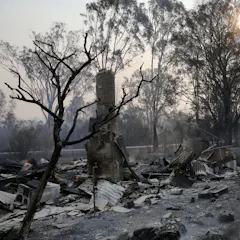
The study found poorer communities, renters and women carried the heaviest burdens long after the Black Summer fires were put out.
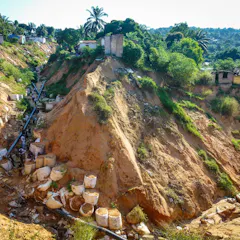
Urban planning can prevent gullies from forming, saving costly repairs and avoiding displacement of people.
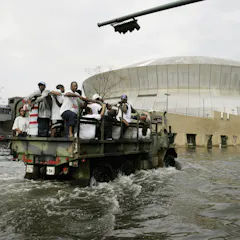
The 2005 hurricane was a disaster made worse by a lack of coordination and communication among governments and emergency leadership on the ground.
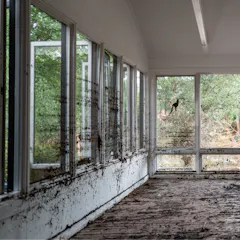
FEMA flood maps are essential tools for identifying flood risks, but they have significant coverage gaps, and politics can get in the way.
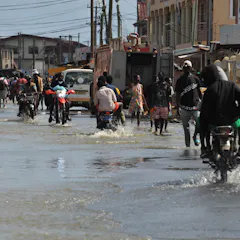
Accra’s flood resilience is very low.
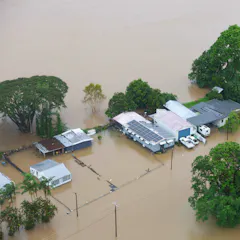
Too many homes will remain vulnerable to climate-related extreme weather events unless there is better coordinated housing policy and disaster management.
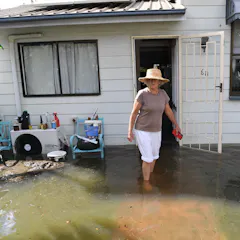
Low-income households are attracted to more affordable housing in areas at higher risk of floods and other extreme events. But many then find they cannot afford soaring insurance premiums.

‘Twisters’ selectively depicts aspects of reality by showcasing the raw, destructive power of tornadoes – but don’t look to it for safety advice.

A cargo ship leaving the Port of Baltimore collided with a bridge in a technological disaster that may have claimed the lives of up to six maintenance workers on the bridge at the time.

Despite improvements in disaster response management since the Abbotsford floods of 2021, long-term animal welfare remains woefully underappreciated in B.C.
Top contributors
-

Associate Professor of Disaster and Emergency Management, York University, Canada
-
Lawyer / Adjunct Academic, Australian National University
-
Associate Professor, School of Law, University of Canberra
-
Professor of Crisis & Disaster Management, Bournemouth University
-
Research Manager, CSIRO
-
Senior Lecturer, School of Global, Urban and Social Studies, RMIT University
-
Assistant Professor, School of Architecture, Planning and Policy Development, Institut Teknologi Bandung
-
Professor of Public Health, University of Sheffield
-
Associate Professor of Emergency Medicine, The Ohio State University
-
Associate Professor of Human Geography, University of Tasmania
-
Associate Professor, Griffith University
-
Principal Investigator FiRES Project (SNSF Consolidator Grant), ETH Zürich, Switzerland // Honorary Associate Professor, University of Wollongong, Australia.
-
Associate Professor, Applied Disaster and Emergency Studies Department, Brandon University
-
Team Leader, Bushfire Urban Design, CSIRO
-
Research scientist, CSIRO