

The Antarctic ice sheet’s future depends how a chain of events plays out. A new study finds the evidence points in one direction.
Articles on Flooding
Displaying 1 - 20 of 561 articles

Nearly 43% of UNESCO World Heritage Sites in Europe are now highly vulnerable to climate-related risks.
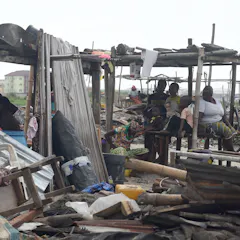
Residents whose homes cluster along waterways, canals and shorelines have built organised systems for living with climate change.
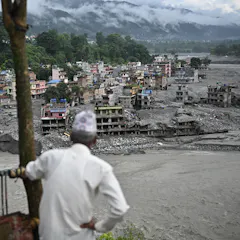
At least 119 countries have asked for aid from the fund set by major greenhouse gas emitting nations four years before the deadly Nepal flood. It has paid zero claims.
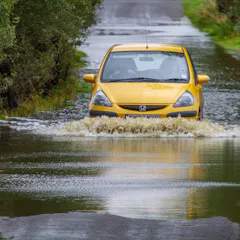
While deep water immobilises a vehicle, flowing water can take a car downstream.
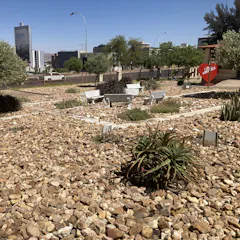
New research shows how Windhoek’s ‘Brown is Beautiful’ approach could use its dry landscape to protect the city from heat, drought and floods.
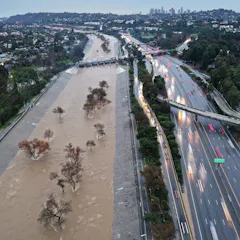
A new study connects early winter heat high up on the plateau to the jet stream and, ultimately, storms headed for the US coast. The results could mean better forecasts.
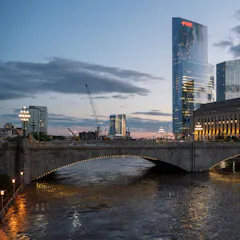
Many levees built in the mid-1900s do not offer enough protection for today’s storms, and small rural communities in particular struggle to afford needed upgrades.
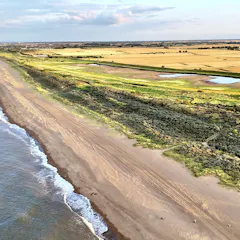
The places most exposed to saltwater flooding, especially the low-lying Fenlands, are also some of the most productive farmland in the UK.

As storms, wildfires, and floods strike in ever-closer succession, an architect with disaster risk science expertise explains why resilience is built between hazards, not during them.
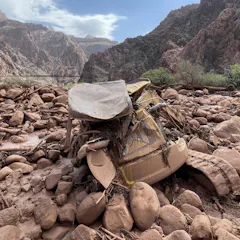
After the deadly Grand Canyon flood, a geologist and avid hiker explains what nature lovers need to prepare and watch for to stay safe.
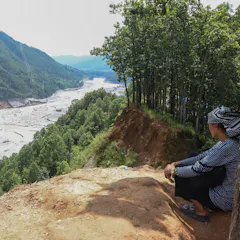
Khalte’s residents survived one disaster – but were left vulnerable to the next.

While rain gardens are useful, how and where they are planted can impact how beneficial they are.

The proportion of a watershed that is logged isn’t the only factor that determines flood risk. The landscape and climate matter too.
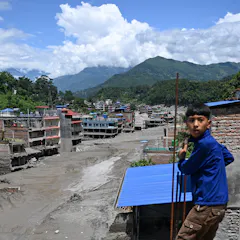
Could more lives be saved if people were trained to act immediately when a flood warning arrives? I believe the answer is yes.

Early evidence suggests this was not an ordinary rain-driven flash flood. So what caused it?
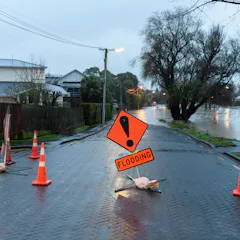
Only 3% of spending on natural hazards focuses on reducing risk, allowing governments to shift liability but leaving communities unprepared.
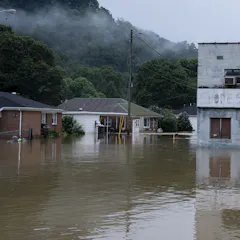
Disasters weaken support systems that take years to rebuild, at the same time people caught in them are under extraordinary financial and psychological stress.
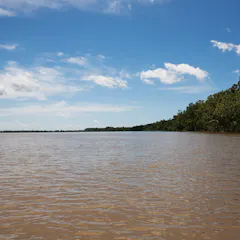
Brazil holds 12% of the world’s freshwater reserves and yet growing water insecurity reveals some of the country’s deepest sanitation inequalities, which are particularly relevant to Marajó, its largest coastal island.
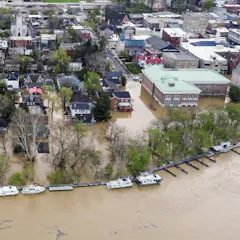
What communities and businesses really need is information they can act on, with examples of what’s worked elsewhere and why – and what fails.
Top contributors
-

ARC Future Fellow and Associate Professor in Climate Science, ARC Centre of Excellence for 21st Century Weather, The University of Melbourne
-
Adjunct Professor of Environmental Geography, CQUniversity Australia
-
Professor of Geology and Environmental Geosciences, University of Dayton
-
Professor and Director of the Institute for Water Research, Rhodes University
-
Professor of Sociology, Rice University
-
Senior Research Associate, Institute for Environment and Human Security (UNU-EHS), United Nations University
-
Regius Professor of Meteorology and Climate Science, University of Reading
-
Professor of Physical Geography, University of the Witwatersrand
-
Professor of Landscape Architecture and Urban Planning, Texas A&M University
-
Professor Emeritus of Climate and Space Sciences and Engineering, University of Michigan
-
Distinguished Scholar, National Center for Atmospheric Research; Affiliate Faculty, University of Auckland, Waipapa Taumata Rau
-
Research Fellow, Australian Rivers Institute, Griffith University
-
Senior Research Fellow, The University Centre for Rural Health, University of Sydney
-
Professor Emeritus of Risk Management and Insurance, Georgia State University
-
Professor, Department of Forest Resources Management, University of British Columbia