
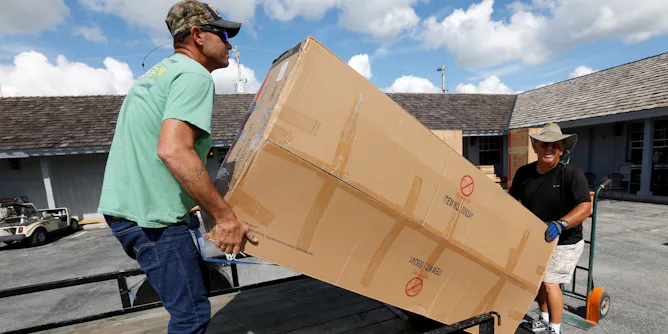
The billions of dollars worth of aid dispatched every year to alleviate the suffering and damage after earthquakes and hurricanes would do more good if it didn’t get clumped up.
Articles on Disaster
Displaying 161 - 180 of 198 articles
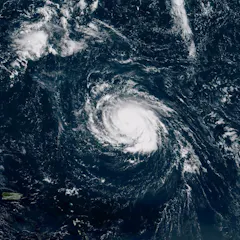
How do experts know when and where the next big hurricane is going to hit? A look at the complicated science of forecasting.
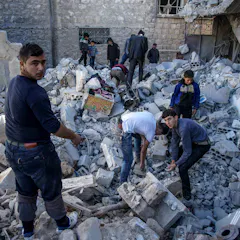
Warning Syrians of approaching airstrikes via social media is helping save lives.

Bridge engineering does not end when construction finishes and traffic starts to flow.
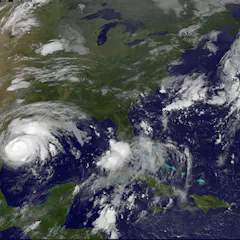
Large-scale emergencies can be a strain, even in one of the world’s richest countries. Population growth, income inequality and fragile supply chains may make the problem worse.
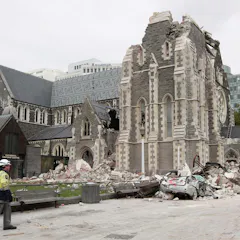
Can artificial intelligence accurately simulate people’s religious tendencies in the face of disaster and tragedy?
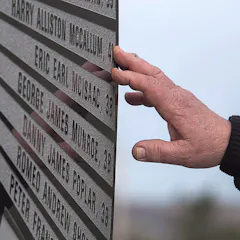
This week marks the 26th anniversary of the Westray mine disaster in Nova Scotia. There have been plenty of disasters since then but we still struggle to hold people to account when systems fail.
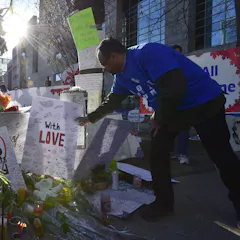
Toronto is grappling with a new normal a week after a heinous van attack killed 10 people and left many injured. Here’s how cities recover from disasters, both emotionally and physically.
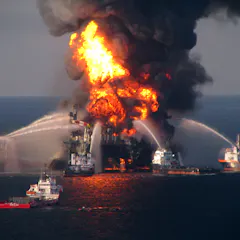
Developments in technology mean that we can use automation to reduce accidents on oil rigs.
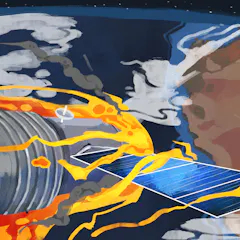
China’s Tiangong-1 space station is hurtling around Earth out of control and about to come crashing down. It’s just one of thousands of pieces of space junk left orbiting our planet.
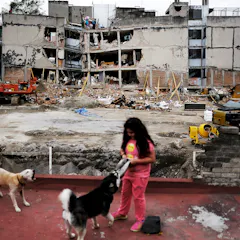
Not all earthquakes are made equal. A study on the Sept. 2017 quake that killed 300 in Mexico City found that both its location and cause were unusual.

Since 2000, 8.8 million Brazilians have been displaced by disaster, development and crime, new data shows. Now Venezuelan migrants are pouring into the country. Still, Brazil has no real refugee plan.
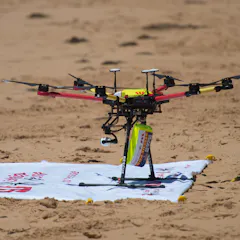
Drones and unmanned aerial vehicles are already saving lives in search and rescue operations, but they still need improvements if they’re to be widely used in the most dangerous situations.
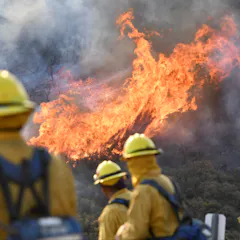
From California’s fires to the Rohingya, headlines can be overwhelming these days. But that doesn’t mean we should neglect so-called ‘silent crises,’ which can quickly erupt into global disasters.
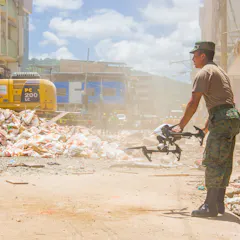
Stand by for drones, robots and sensors to the rescue.
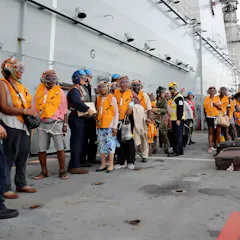
Promoting individual resilience will contribute to reductions in disaster threats for at-risk communities globally.
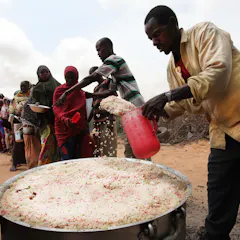
The distinction between food insecurity and famine is artificial and unhelpful. Hungry people are suffering however their situation falls below the radar.
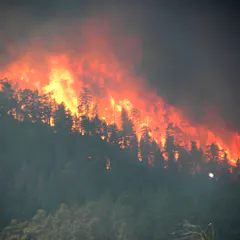
Much disaster reporting simply chronicles events, but good journalism digs deeper and examines causes. Stories about Colorado wildfires have raised questions about risk, especially on fire anniversaries.
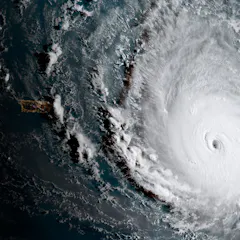
The Caribbean is facing its second deadly hurricane in as many weeks. This isn’t just bad luck: the region’s extreme vulnerability to disaster also reflects entrenched social inequalities.
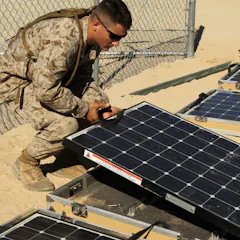
US military bases usually get their electricity from the civilian grid, which is vulnerable to attack and to disaster. Solar-powered microgrids could protect national security, and would save money.
Top contributors
-

Associate Professor of Disaster and Emergency Management, York University, Canada
-
Senior Scientist in Disaster and Climate Risk at Earth Sciences NZ & Senior Research Fellow (adjunct), Humanitarian Emergency and Disaster Management, Charles Darwin University
-
Professor of Geology and Environmental Geosciences, University of Dayton
-
Professor of Disasters and Health, UCL
-
Assistant Professor and Co-Director, Center for Emergency Management and Homeland Security, Watts College, Arizona State University
-
PhD Candidate in Political Science and International Relations, Queen's University, Ontario
-
Professor of Public and International Affairs, former Director of the Center for Disaster Management, University of Pittsburgh
-
Professor of Computer Science and Engineering, Texas A&M University
-
Professor of Oceanography, University of Miami
-
Associate Professor, Macquarie University
-
Professor and Inaugural Judith Neilson Chair in Architecture, UNSW
-
Senior Research Associate, Institute for Environment and Human Security (UNU-EHS), United Nations University
-
Associate Professor, Florida Institute for Built Environment Resilience, University of Florida
-
Professor of Climate Science, UMass Lowell
-
Associate Professor of Civil Engineering, Boise State University; United Nations University