

Storms like 2026’s Hurricane Polo that rapidly intensify can catch communities off guard and leave little time to prepare or evacuate. Being able to forecast those risks can save lives.
Articles on Hurricanes
Displaying 1 - 20 of 303 articles
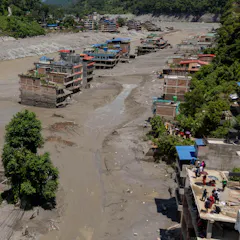
The problem wasn’t the volume of emergency information – it was who it came from, and how it was delivered.

Cooler ocean temperatures east of the islands typically keep major hurricanes away, but El Niño is helping fuel this year’s risks.

Mobile phones have become part of just about everyone’s emergency infrastructure. But what do you do when the power and service go out?
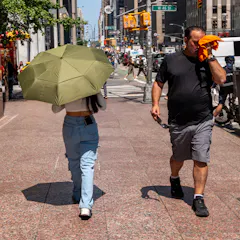
A National Academy of Sciences report examined the latest advances in extreme event attribution science. As four of the authors explain, the type of disaster makes a difference.
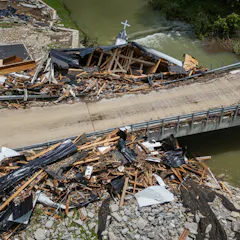
Increasing flash flooding is exhausting communities as they’re hit again and again.
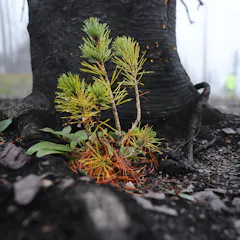
The dead remains of foundation species can boost or deter how well future generations are able to grow and thrive.
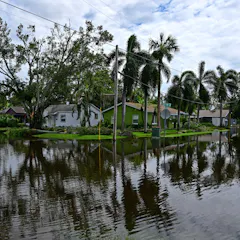
Florida’s current approach to insurance is forcing those who can least afford it to bear the cost of the climate crisis. But different approaches are available.

A hurricane scientist explains the technology forecasters rely on to keep people safe and help communities all along the Atlantic coast know when to evacuate.
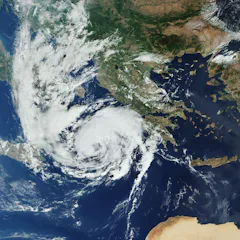
Freak tropical-like storms are highly sensitive to climate change and as a result, could be coming soon to the Mediterranean.
Twin cyclones helped trigger massive ocean warming in the Pacific. But whether that leads to a strong El Niño is still uncertain. Here’s what you need to know.

Healthy coral reefs can significantly reduce hurricane damage for coastlines, yet many still face harms, including pollution and ship damage, that people have the power to stop.
After years of collapse, seagrass in Florida’s Mosquito Lagoon rebounded unexpectedly following 2022 hurricanes, offering new insight into ecosystem resilience.
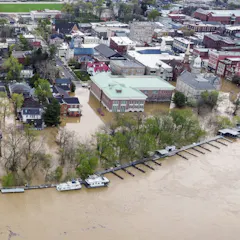
The US had a rare year without a hurricane make landfall, but it saw too much extreme rainfall and flash flooding across the country.
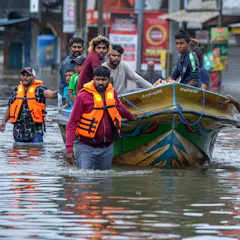
Cyclones Ditwah and Senyar show we must prepare for storms that are weak in wind but extreme in rain.
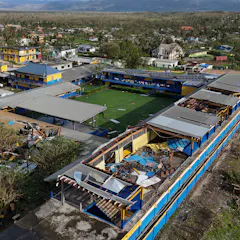
The structural vulnerability of many Jamaican schools is linked to decades of under-resourcing, where the state has adopted austerity measures imposed by the International Monetary Fund and other international institutions.
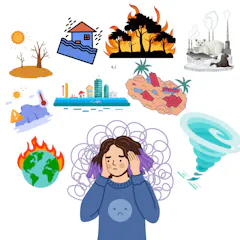
The psychological toll of hurricanes, floods and other extreme weather triggered by climate change is enormous – and often overlooked.
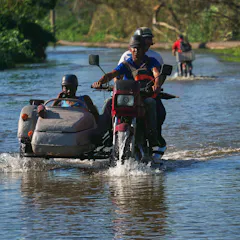
As the Caribbean recovers from the hurricane, Cuba’s response offers lessons for a region facing stronger storms.
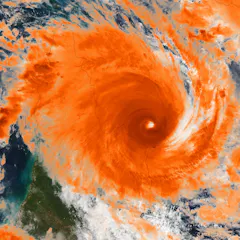
Tropical cyclones can be even more deadly – and for a wider range of reasons – than we ever thought.

Disaster recovery is much harder on isolated islands, and people may migrate away if it’s too slow. Support from Jamaicans in the US, UK and Canada to rebuild for a better future can help.
Top contributors
-

Professor Emeritus of Geography, Louisiana State University
-
Professor of Atmospheric Science and Colorado State Climatologist, Colorado State University
-
ARC Future Fellow and Associate Professor in Climate Science, ARC Centre of Excellence for 21st Century Weather, The University of Melbourne
-
Associate Professor of Landscape Architecture and Urban Planning, Texas A&M University
-
Professor of Geology and Environmental Geosciences, University of Dayton
-
Professor of Political Science, Public Policy and Urban Affairs, Northeastern University
-
Director of Energy Studies, University of Florida
-
Furman Public Policy Scholar, New York University
-
Professor of Climate Science, UMass Lowell
-
Professor of Oceanography, University of Miami
-
Associate Professor of Human Development and Family Studies, Demography and Public Policy, Penn State
-
Assistant Professor of Nursing, University of Michigan
-
Postdoctoral research associate, University of Edinburgh
-
Distinguished Scholar, National Center for Atmospheric Research; Affiliate Faculty, University of Auckland, Waipapa Taumata Rau
-
Research Fellow, American University School of Public Affairs