
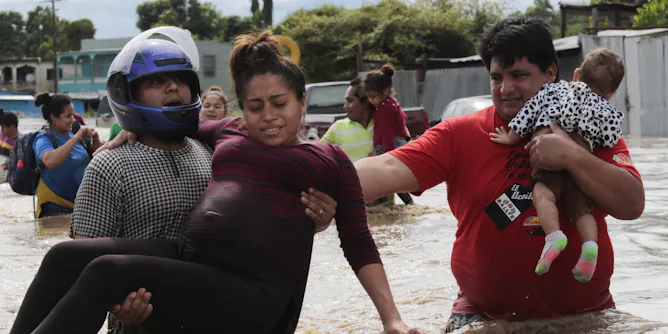
Flood-related stress can have a negative impact on pregnant mothers and their unborn babies. But our research found there are many strategies that can limit the harm.
Articles on Disaster
Displaying 121 - 140 of 198 articles
One interviewee in our study described having compiled a database of more than 150 interactions with insurers or their representatives over the two months since they were caught up in a disaster.
Even though Canadians and Americans living in the Pacific Northwest share the same earthquake risk, far more Canadians than American homeowners buy earthquake insurance. Why?
What role does culture play when it comes to disasters?
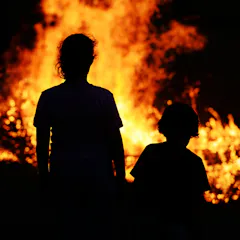
Following the 2009 Victorian Black Saturday bushfires, more than half the women in one study reported experiencing domestic and family violence. Many had never experienced it before.
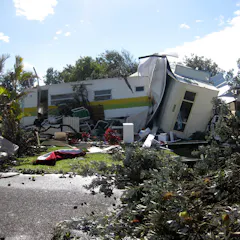
Communities living at the margins are often more vulnerable to disaster risk, a problem likely to be exacerbated by climate change.
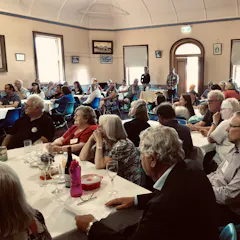
The small fire and heatwave prone town of Tarnagulla got together, applied for funding and co-produced a resilience action plan so they’re better prepared for the next disaster.
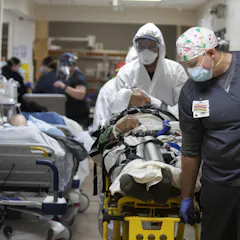
States and hospitals are starting to declare ‘crisis standards of care’ as the pandemic floods their ERs. The orders have consequences – both good and bad, as a medical ethicist explains.
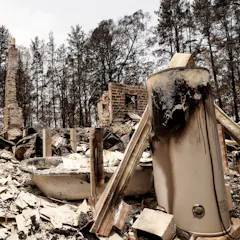
A new study shows how toxic chemicals like benzene are leaching into water systems after nearby fires. The pipes don’t have to burn – they just have to heat up.
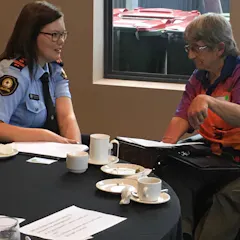
One interviewee told us: ‘It would’ve been lovely if somebody had cared.’

For anyone struggling with survivor guilt, it’s important to remember this pandemic is not your fault. You did not do anything wrong.
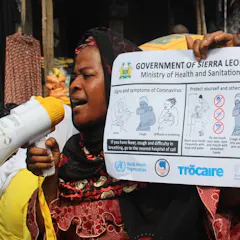
Overlapping disasters of COVID-19 and flooding could be a serious threat for Sierra Leone’s capital Freetown.
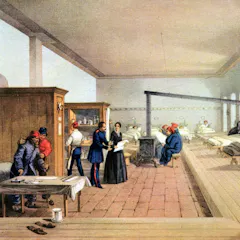
Nurses have always been at the forefront during war, epidemics and other times of disaster.
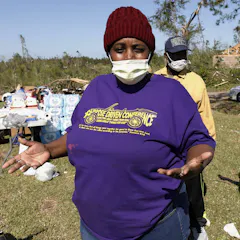
If the forecasts are right, the US could be facing more natural disasters this year – on top of the coronavirus pandemic. Local governments aren’t prepared.
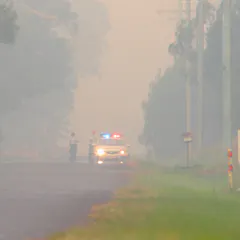
The disasters have come one after another. While they may not be entirely preventable, we can take many practical steps tailored to local needs and conditions to reduce the impacts on our cities.

Nepal’s past dealing with multiple disasters, including the aftermath of its civil war and the massive earthquake of 2015 may have helped the country prepare for the current COVID-19 crisis.
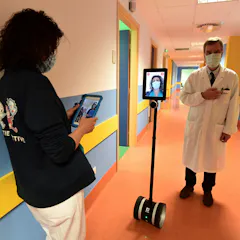
Robots are helping health care workers and public safety officials more safely and quickly treat coronavirus patients and contain the pandemic. They have something in common: They’re tried and tested.
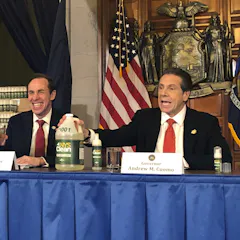
Incarcerated Americans have been tasked with washing hospital laundry, manufacturing protective equipment, disinfecting cleaning supplies and digging mass graves.
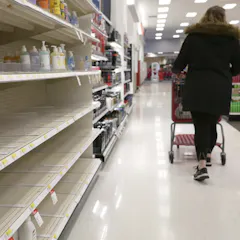
Amid the coronavirus pandemic, people are stockpiling essential supplies. But policy-makers may be able to influence both the supply and demand through public announcements and advisories.
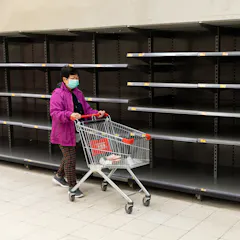
There’s no need to raid the supermarket today, but gathering supplies is a reasonable response to the prospect of disaster
Top contributors
-

Associate Professor of Disaster and Emergency Management, York University, Canada
-
Senior Scientist in Disaster and Climate Risk at Earth Sciences NZ & Senior Research Fellow (adjunct), Humanitarian Emergency and Disaster Management, Charles Darwin University
-
Professor of Geology and Environmental Geosciences, University of Dayton
-
Professor of Disasters and Health, UCL
-
Assistant Professor and Co-Director, Center for Emergency Management and Homeland Security, Watts College, Arizona State University
-
PhD Candidate in Political Science and International Relations, Queen's University, Ontario
-
Professor of Public and International Affairs, former Director of the Center for Disaster Management, University of Pittsburgh
-
Professor of Computer Science and Engineering, Texas A&M University
-
Professor of Oceanography, University of Miami
-
Associate Professor, Macquarie University
-
Professor and Inaugural Judith Neilson Chair in Architecture, UNSW
-
Senior Research Associate, Institute for Environment and Human Security (UNU-EHS), United Nations University
-
Associate Professor, Florida Institute for Built Environment Resilience, University of Florida
-
Professor of Climate Science, UMass Lowell
-
Associate Professor of Civil Engineering, Boise State University; United Nations University