
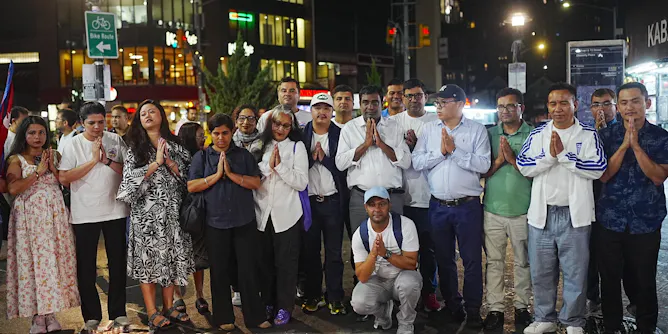
While small in scale, these groups are well positioned to respond quickly to disaster relief efforts.
Articles on Disaster response
Displaying 1 - 20 of 88 articles

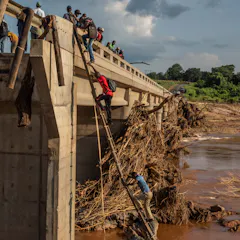
Villagers are picking up the pieces after a catastrophic flash flood ripped through the region.

A home might appear fine, but toxic contamination isn’t always evident by sight or smell. An engineer share safety tips for the recovery.
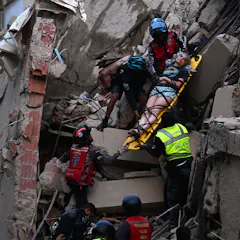
If you want to help, an aid expert advises you to donate cash to nonprofits involved in local rescue and recovery efforts.
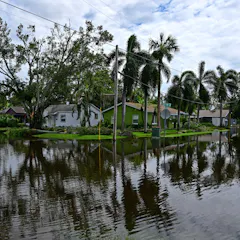
Florida’s current approach to insurance is forcing those who can least afford it to bear the cost of the climate crisis. But different approaches are available.
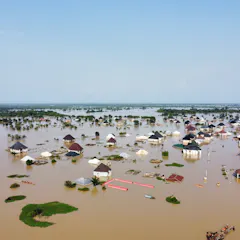
AI tools can help communities respond to floods, heatwaves and other climate emergencies – but only once trained to interpret the nuance of everyday language.
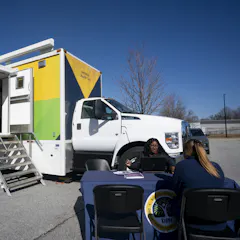
Public health depends on long-term planning, and when that planning is interrupted, some programs never recover.
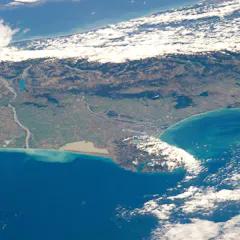
Satellite remote sensing allows rapid, detailed disaster response and planning. But the rules governing who controls and has access to the data aren’t keeping up.
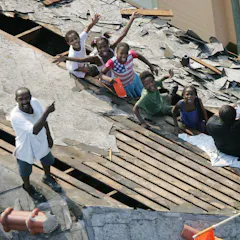
Looking back on New Orleans 20 years after Hurricane Katrina is a reminder that while such hazards may be natural, the death and destruction is largely human-made.
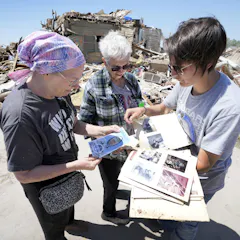
Rural hospitals have been closing, putting emergency care further out of reach, but that’s only one of the heightened challenges aging rural communities face after a disaster.

Changes made to comply with executive orders could interfere with the mission of a program that has historically helped some of the people who most need a hand.
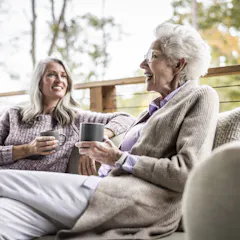
As climate-related disasters grow more frequent and intense, one group remains dangerously underprepared: older adults. Planning should involve the entire family.
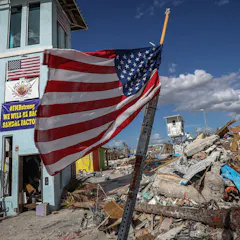
FEMA pools national resources to help states quickly manage disasters. Without that federal support, each state would be left to build its own expensive response capabilities.

Trump’s rhetoric about the future of FEMA is concerning, especially during ongoing disasters.
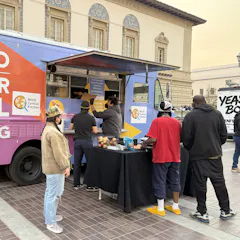
Large organizations often partner with local nonprofits that are uniquely positioned to mobilize quickly, leveraging their deep understanding of community needs and established trust with residents.
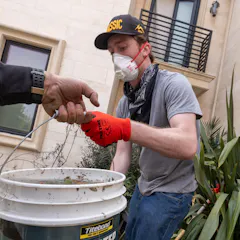
In emergencies, when every minute counts, research shows family, friends and neighbors are often saving lives. These local efforts go uncounted, yet they’re crucial.
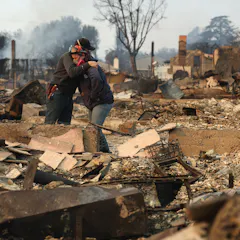
A scholar who researches how rents increase after disasters is fearful for his own community as he watches it burn and braces for the aftermath.

Former U.S. President Jimmy Carter passed away at the age of 100. He was experienced in nuclear emergency response, and responsible for the formation of FEMA.

Disaster recovery isn’t just about repairing bridges, roads and homes. Conservationists from the Smithsonian were on the ground in North Carolina helping families piece their lives back together.
Getting aid to countries before the storm or drought hits is one response increasingly being used to limit the damage.
Top contributors
-

Associate Professor of Disaster and Emergency Management, York University, Canada
-
Director, Disaster Research Center and Professor, Public Policy & Administration, University of Delaware
-
Professor of Sociology and Director, Disaster Research Center, University of Delaware
-
Associate Professor of Landscape Architecture and Urban Planning, Texas A&M University
-
Assistant Professor of Sociology, University of Houston
-
Professor Emeritus of Risk Management and Insurance, Georgia State University
-
Senior Lecturer, School of Global, Urban and Social Studies, RMIT University
-
Associate professor, Kean University
-
Professor of Emergency Medicine, The Ohio State University
-
Associate Professor of Emergency Medicine, The Ohio State University
-
Professor of Electrical, Computer and Biomedical Engineering, University of Hartford
-
Senior Lecturer in Human Geography, Royal Holloway, University of London
-
Professor of Pyrogeography and Fire Science, University of Tasmania
-
PhD Candidate in Geography and Demography, Penn State
-
Senior Lecturer in Communications, Media and Democracy, University of Glasgow