
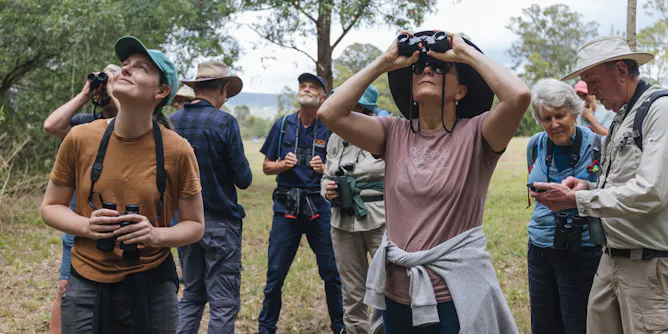
Scientists and authorities are increasingly calling for help from citizen scientists to track species and changes.
Articles on Conservation
Displaying 41 - 60 of 1585 articles
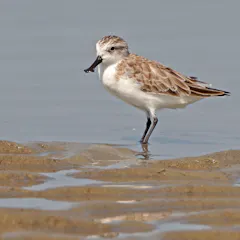
A new global assessment of the world’s migratory species finds reason for alarm, but also hope – and a road map for helping them survive.
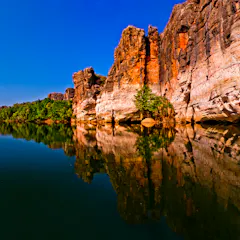
An animal, plant, landscape or waterway may be culturally vital even if not rare or threatened.
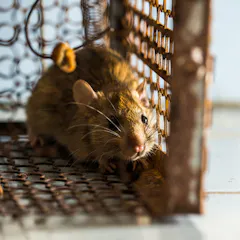
Calling an animal a ‘pest’ can sometimes cause more harm to people than the animal itself.

The pint-sized pookila faces uncertainty in Queensland, as two experts explain.

An analysis of one major effort shows how to get Democrats and Republicans to agree to spend billions of dollars on a decades-long environmental restoration project.
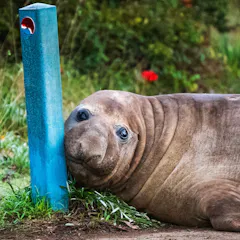
He also offers valuable lessons about how humans can interact – safely and responsibly – with marine wildlife.

Four experts explain how we can protect the rare – and increasingly at risk – spidery wattle.
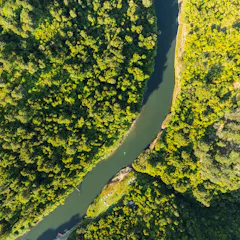
New Zealand’s conservation management currently prioritises full protection of pristine landscapes. Other models are based on reciprocity between people and nature.

Ethiopia’s protected areas conserve almost 10% of the country, but new research has found that people living near nature reserves may be more likely to go hungry.
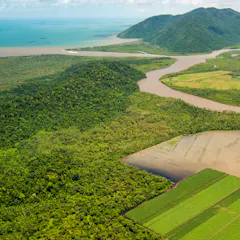
There’s one big threat facing the Great Barrier Reef which Australian authorities can solve. But will they?

The majority of endangered species listings over the years have involved habitat loss, from Chinook salmon to island foxes and many birds.

Africa’s wildlife laws still follow a 1933 colonial conservation model that excludes communities and fails to protect wildlife. It’s time to do away with it.
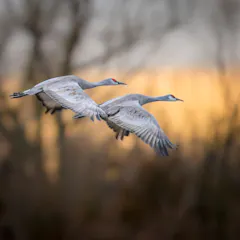
Birds that migrate longer distances are the ones having the most trouble keeping up with climate change.
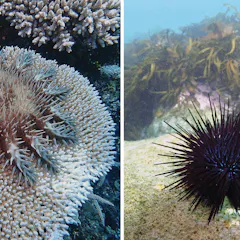
Crown-of-thorns starfish and long-spined sea urchins can rapidly devour healthy reefs.
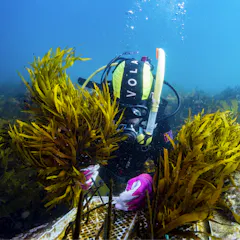
Many of Australia’s shimmering seaweed forests are disappearing as the oceans get hotter. It’s time for an insurance policy.
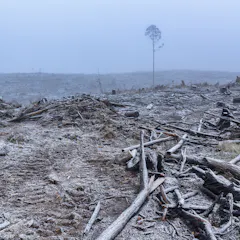
There’s no economic or environmental case for native logging. Yet taxpayer money is still being used to support it.
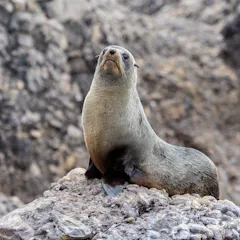
Marine species are increasingly battling intense storms and heatwaves – four experts explain why this matters.

Nowhere is safe from forever chemical pollution – not even the middle of the ocean. PFAS levels are on the rise in the world’s whales and dolphins.
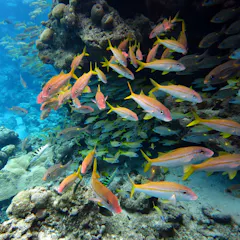
So far, about 10% of the ocean has formal protection as countries work toward the 30x30 goal, but many areas are still protected on paper only.
Top contributors
-

Professor in Wildlife Ecology and Conservation, School of Life & Environmental Sciences, Deakin University
-
Professor in Conservation Science, School of the Environment, The University of Queensland
-
Distinguished Professor of Ecology, Fenner School of Environment and Society, Australian National University
-
Professor, Conservation Biology, The University of Queensland
-
Professor of Environmental Management, The University of Queensland
-
Professor of Conservation Biology, Charles Darwin University
-
Professor of Conservation and Sustainable Livelihoods, Charles Darwin University
-
Distinguished Research Professor and Australian Laureate, James Cook University
-
Lecturer in the School of Applied Sciences, Edinburgh Napier University
-
Professor in Conservation Science, School of Ecosystem and Forest Science, The University of Melbourne
-
University Fellow in Biodiversity, Charles Darwin University
-
Professor in Ecology, Charles Sturt University
-
Professor in Terrestrial Ecology, Deakin University
-
Professor of Wildlife Conservation, Australian National University
-
Professor, Urban Ecology and Biodiversity, The University of Melbourne; RMIT University