
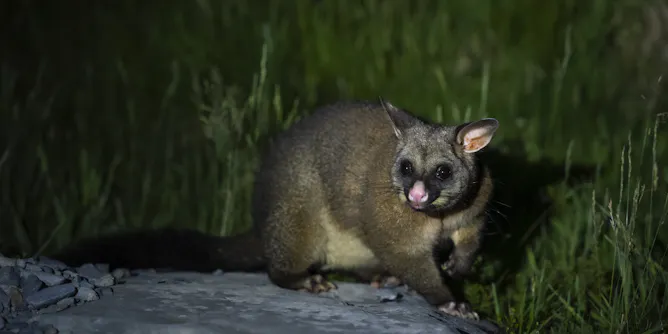
AI listening devices could help find New Zealand’s last remaining possums – but only if they don’t mistake bird calls for pests. Here’s how a new fix works.
Articles on Conservation
Displaying 21 - 40 of 1585 articles
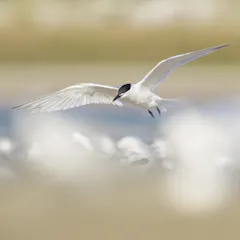
The rest of the world has already had to grapple with bird flu – and there are lessons for Australia.
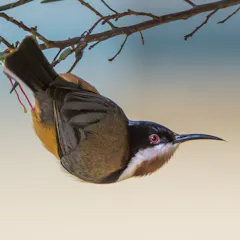
From raucous honeyeaters to top predators, Australia’s birds are vital to nature.

With H5N1 now in New Zealand, protecting the most threatened birds will involve difficult decisions, careful prioritisation – and sometimes chance.
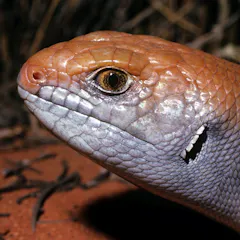
Fenced-off safe havens and islands free from cats and foxes have given endangered mammals breathing space. But they’re not yet helping many other groups of animals.

These underwater disasters can trigger coral bleaching and massive fish kills.
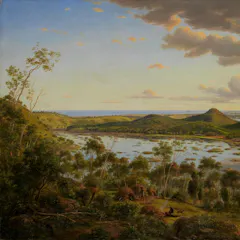
From oyster reefs to bandicoot grasslands, many Australian ecosystems no longer exist. Restoring nature is a good goal – but we cannot return to the past.
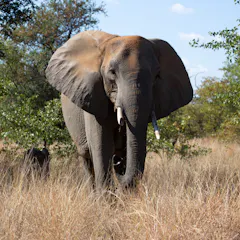
When elephants leave Kruger National Park, they are sometimes killed and their meat is shared with nearby communities. This policy may have unintended consequences.

A new study suggests the world’s mangrove forests are expanding.

As bird flu takes hold, we must find and conserve species with less genetic ability to fight the virus.
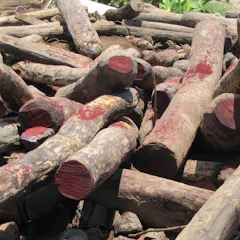
Destacamos formas de celebrar la sabiduría, la alegría, la belleza y la resistencia de los indígenas wounaan mientras hablamos de la historia.

We highlight ways to celebrate Wounaan wisdom, joy, beauty and resistance while discussing centuries of taking from Indigenous communities.
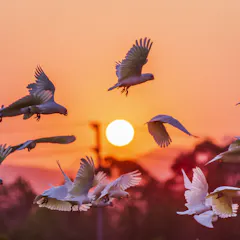
As a lethal bird flu spreads in Australian wildlife, it can be easy to think nothing can stop it. That’s an error – much can be done.
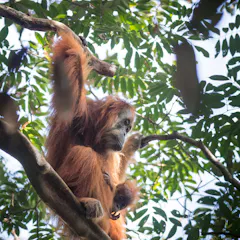
Multiple pressures are acting simultaneously in threatening Tapanuli orangutan — from extractive industries to logging to agricultural expansion and, increasingly, climate-related disasters.
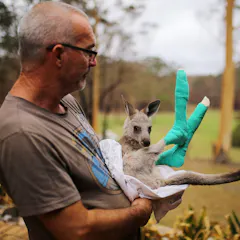
Volunteers have been a mainstay of conservation in Australia. As bird flu spreads, they must be supported – and kept safe.

Sometimes the best escape isn’t a weekend away. It’s the park just down the road.
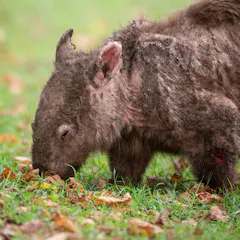
The tiny scabies mite burrows beneath the skin of many animals, including Australia’s bare-nosed wombat.
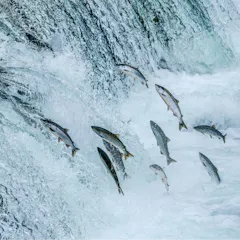
Biodiversity policies fail because governments lack the safeguards, accountability mechanisms and political commitment needed to implement them consistently.
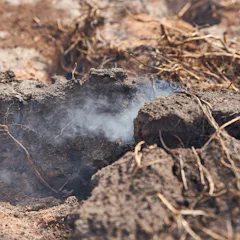
These ancient wetlands are wildlife hotspots and crucial carbon stores.
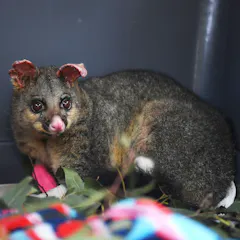
Helping distressed wildlife without seeking advice may sometimes do more harm than good – as two experts explain.
Top contributors
-

Professor in Wildlife Ecology and Conservation, School of Life & Environmental Sciences, Deakin University
-
Professor in Conservation Science, School of the Environment, The University of Queensland
-
Distinguished Professor of Ecology, Fenner School of Environment and Society, Australian National University
-
Professor, Conservation Biology, The University of Queensland
-
Professor of Environmental Management, The University of Queensland
-
Professor of Conservation Biology, Charles Darwin University
-
Professor of Conservation and Sustainable Livelihoods, Charles Darwin University
-
Distinguished Research Professor and Australian Laureate, James Cook University
-
Lecturer in the School of Applied Sciences, Edinburgh Napier University
-
Professor in Conservation Science, School of Ecosystem and Forest Science, The University of Melbourne
-
University Fellow in Biodiversity, Charles Darwin University
-
Professor in Ecology, Charles Sturt University
-
Professor in Terrestrial Ecology, Deakin University
-
Professor of Wildlife Conservation, Australian National University
-
Professor, Urban Ecology and Biodiversity, The University of Melbourne; RMIT University